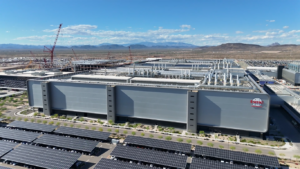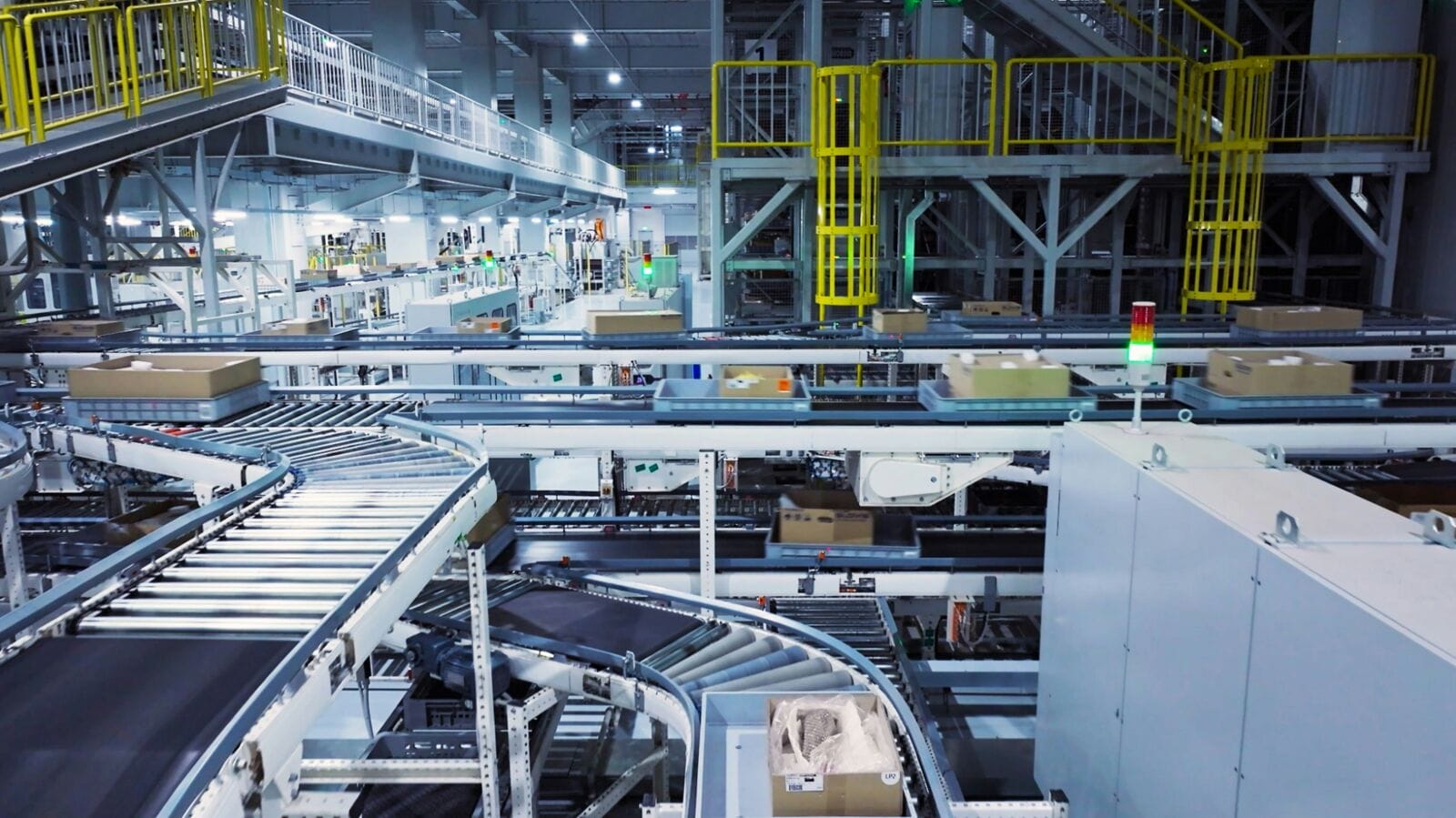
Manufacturing firms across the United States are entering a new phase of expansion. Rising consumer demand, technological improvements, and shifting supply chain strategies are pushing companies to rethink how production facilities should operate. A warehouse or factory that met operational goals ten years ago may no longer support the speed and efficiency required today.
Companies that plan long-term growth are paying closer attention to facility design, production workflows, etc., before committing to expansion projects. Modern production spaces are expected to support automation, improve worker safety, reduce downtime, and create room for future upgrades. These expectations are changing how manufacturers approach site selection and infrastructure investments.
The conversation has also expanded beyond square footage and storage capacity. Decision-makers now evaluate how facilities can improve output quality while supporting sustainability goals and operational consistency. As competition increases across industries, production environments have become a direct factor in profitability and long-term scalability.
Flexibility Has Become a Major Priority
Deloitte’s 2026 Manufacturing Industry Outlook highlights that manufacturers are operating in a complex environment shaped by economic uncertainty. A major theme is the rapid adoption of smart manufacturing tools such as automation, data analytics, and cloud platforms. These adoptions are key to improving productivity, resilience, and decision-making.
Alongside technology, workforce development remains a major concern. Manufacturers struggle with a widening skills gap and the need for more digitally trained talent. Overall, the sector is shifting toward a model that balances efficiency and automation with workforce readiness.
But to achieve good results from all of these, manufacturers need to be flexible. They no longer want facilities that can only support a single production model. Market conditions change quickly, and businesses need the ability to adjust operations without major disruptions. Flexible layouts allow companies to introduce new product lines, upgrade machinery, or reconfigure workflows with minimal delays.
This shift is especially noticeable in industries tied to automotive manufacturing, aerospace components, industrial coatings, and commercial fabrication. Production managers are looking for open floor plans, modular workstations, and adaptable utility systems that can support future expansion.
Location Decisions Are Influenced by Regional Growth
Geographic positioning continues to play an important role in manufacturing expansion. A study focused on improving how manufacturing companies choose optimal facility locations. It explains that site selection is a complex decision influenced by multiple criteria, such as material availability, labor access, Utilities, etc.
The findings show that using the following methods collectively helps organizations rank potential sites more accurately and consistently:
- Analytic Hierarchy Process (AHP)
- Factor Rating Method
- Best Worst Method (BWM)
Businesses are choosing locations that offer strong transportation access, favorable tax conditions, and growing labor markets. Florida has become increasingly attractive for industrial operations connected to transportation, marine services, automotive work, and commercial finishing applications.
This regional expansion has created demand for specialized equipment suppliers and finishing solutions that support industrial operations. Take the example of an automotive plant, which will require stamping & pressing equipment, body-in-white assembly, paint shop, and more. Thus, they may seek Florida paint booth sales, which could further improve the region’s economy.
According to GSB Industries, it is important to have quality services within reach in Florida to scale optimally. It could allow a business to upgrade its paint booth setup, improve efficiency, or handle an unexpected breakdown.
Automation Is Reshaping Facility Expectations
The International Federation of Robotics explains that automation has become a central element of modern manufacturing. It is moving beyond basic efficiency gains to serve as a foundation for resilience, flexibility, and long-term competitiveness in industrial production.
The article highlights how robotics and AI-driven systems are increasingly used to address labor shortages and stabilize production. It can also improve consistency in output quality. Overall, it positions automation as a key force shaping the future direction of global manufacturing.
Modern production facilities are increasingly designed around data-driven operations. Sensors, monitoring platforms, and connected equipment allow managers to track machine performance in real time. This visibility helps businesses identify bottlenecks, reduce maintenance issues, and improve overall productivity.
Facilities built with automation in mind also tend to attract larger investments. Investors and stakeholders often view scalable infrastructure as a sign of long-term operational stability. Manufacturers that integrate advanced production technologies are generally better positioned to respond to shifts in demand and changing market conditions.
Safety and Compliance Continue to Shape Facility Planning
Safety standards remain one of the most important factors in modern manufacturing operations. Manufacturing companies are increasingly treating workplace safety as a strategic advantage rather than just a compliance requirement.
Safer working environments help improve employee retention and attract new talent. This is more important now when younger workers place greater importance on physical and psychological well-being at work. Safety and productivity are also closely linked, since fewer workplace injuries lead to less downtime, higher engagement, and more stable operations.
Emerging technologies such as AI, wearables, digital twins, and computer vision are being used to identify risks in real time.
It is important to conduct regular machine checks because many accidents occur due to them.
“Older machines, in particular, have their risks,” says Jo Boullart, a machine safety expert. “When users upgrade them or add new features, they often overlook the safety aspect. They only think about functionality and lose sight of the risks, which can sometimes even lead to accidents.”
Production managers are also paying closer attention to employee well-being. Facilities with better lighting, cleaner air systems, and improved workflow organization can help reduce fatigue and increase productivity. These improvements contribute to employee retention in industries where skilled labor shortages remain a challenge.
Frequently Asked Questions
How do financing options impact decisions about modern manufacturing facilities?
Financing plays a major role in how manufacturers plan facility upgrades or new builds. Companies often evaluate long-term return on investment, interest rates, and incentive programs before committing to large infrastructure projects. Entering phased investment plans can help businesses manage cash flow while still upgrading production capabilities without delaying expansion goals.
What role does digital infrastructure play in factory performance?
Digital infrastructure is now a key part of manufacturing efficiency. High-speed connectivity, cloud-based systems, and integrated software platforms allow real-time tracking of production, inventory, and machine performance. Without strong digital systems in place, manufacturers may struggle with delays in decision-making and reduced ability to scale efficiently.
Why is supplier proximity still important in modern manufacturing planning?
Even with advanced logistics systems, proximity to suppliers remains important because it reduces transportation delays and minimizes supply chain disruptions. Manufacturers often prefer locations where critical raw materials or components are readily available. This allows them to maintain consistent production schedules and respond faster to market demand changes.
Key Facts and Insights from Modern Manufacturing Facility Trends
| Manufacturing trend | U.S. manufacturing firms are entering a new expansion phase driven by demand, technology, and supply chain shifts. |
| Operational focus | Decision-making now goes beyond space to include quality, sustainability, and efficiency. |
| Technology adoption | Smart manufacturing tools like automation, data analytics, and cloud platforms are widely adopted. |
| Site selection factors | Labor access, material availability, utilities, and transportation influence location choices. |
| Workforce safety tech | AI, wearables, digital twins, and computer vision are used for risk detection. |
Modern manufacturing firms expect far more from production facilities than basic operational space. Companies now evaluate infrastructure through the lens of scalability, automation readiness, energy efficiency, safety, and long-term operational flexibility. These priorities are shaping how industrial developments are designed across the country.
Regional growth trends are also influencing manufacturing strategies, especially in states experiencing strong economic expansion and industrial investment. Businesses entering competitive markets understand that facility performance directly impacts productivity, compliance, and profitability.