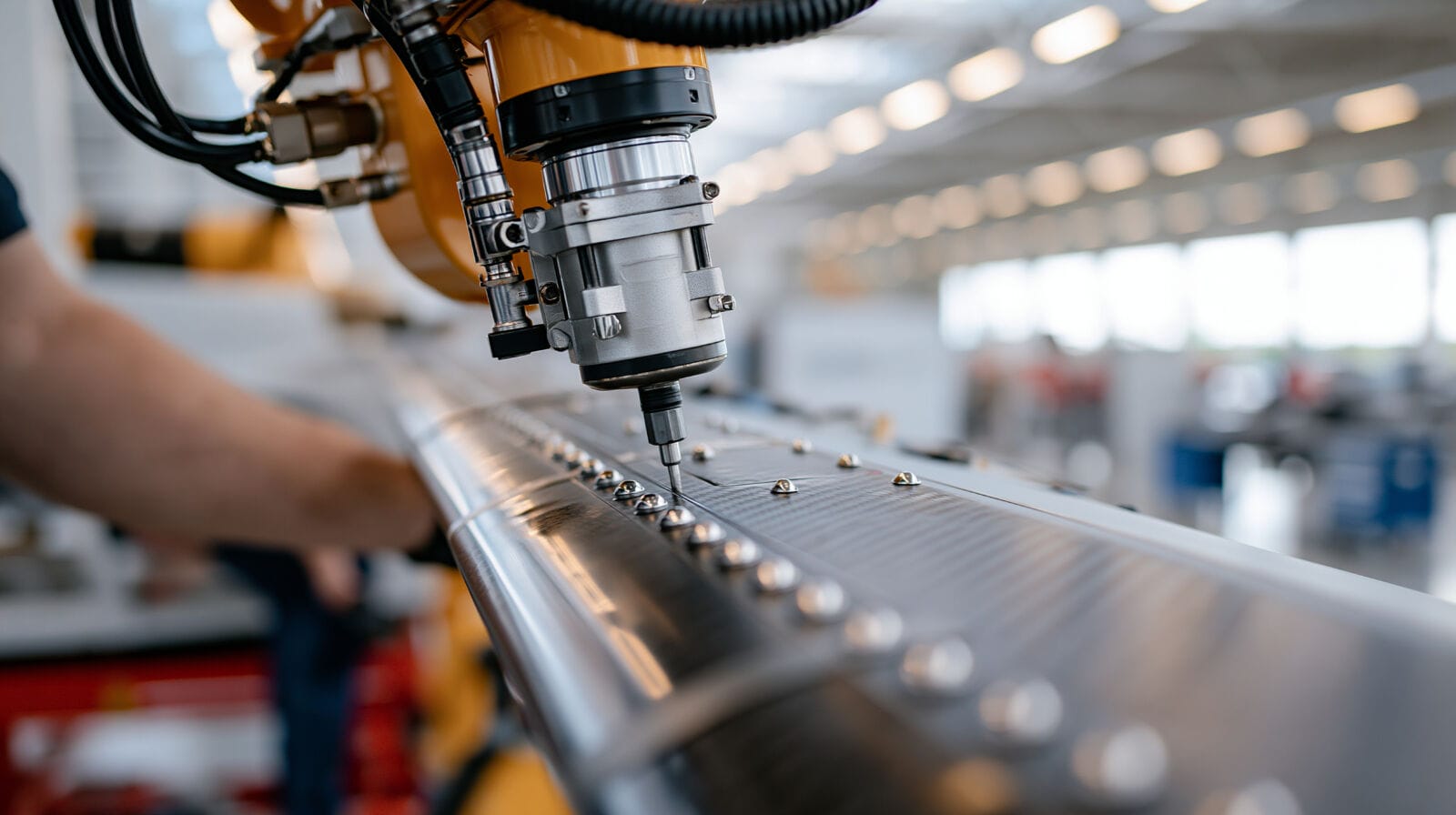
Assembly line fastening affects more than installation speed. Rivet selection influences joint strength, panel clearance, operator effort, inspection results, and long-term service performance. Button head designs can suit projects that need a low-profile crown, aluminum construction, and dimensions compatible with established tooling. Engineers who assess material grade, hole quality, grip range, and expected loads before production can prevent avoidable rework. A careful choice also helps purchasing teams maintain consistent stock across related product lines.
Why Head Shape Matters
Fastener geometry controls contact area, exposed height, surface appearance, and load distribution. For many joining tasks, button head rivets offer a rounded crown with a defined footprint above the joined sheets. Their aluminum construction can reduce assembly weight, while steel rivet dimensions may align with familiar hole sizes and tools. That combination helps teams update components without replacing every fixture, gauge, or work instruction.
When Aluminum Fits
Aluminum suits applications where lower mass matters and service loads remain within approved limits. Aircraft interiors, appliance frames, light cabinets, and transport panels may benefit from that balance. Moisture, salt exposure, heat, and contact with dissimilar metals still require review. Engineers should compare tensile capacity, shear demand, fatigue risk, and surface treatment before replacing an existing steel fastener.
Existing Tooling Can Guide Selection
Established lines often depend on dedicated drills, squeezers, hammers, dies, and inspection gauges. A rivet that matches current dimensions can reduce changeover time and limit operator retraining. Button head options made to steel rivet dimensions may fit existing procedures more readily than unfamiliar sizes. This consideration becomes valuable during model updates, equipment transfers, or replacement of discontinued parts.
MORE THINGS TO EAT: Experience AZ: 5 amazing pizza restaurants in Arizona
Mixed-Material Assemblies
Joining aluminum panels to steel brackets requires more than a diameter check. Galvanic activity, electrical contact, coatings, moisture, and joint movement can affect service life. An aluminum rivet may lower weight, but isolation washers, primers, or sealants could be necessary. Material compatibility should follow the project specification, test evidence, and environmental exposure expected during operation.
Hole Size and Alignment
Reliable joints begin with accurate holes. Correct diameter, roundness, spacing, and alignment allow the rivet to form evenly during installation. Steel rivet sizing can help teams retain familiar drills, gauges, and work instructions. Burrs or excessive clearance may reduce bearing contact and create uneven head formation. First-article checks should confirm hole quality before regular production begins.
Load, Clearance, and Appearance
A button profile offers useful coverage without the height associated with larger protruding heads. That shape may help where covers, sliding parts, or adjacent panels leave limited clearance. Engineers should still review clamp force, vibration, joint thickness, and service loads. Exposed surfaces deserve an appearance check because crown height, finish, and spacing affect the finished product.
Selecting Diameter and Length
Diameter should reflect joint demand, sheet thickness, hole preparation, and approved fastening practice. Length must allow sufficient material for proper upset formation after the rivet passes through every layer. Excess reach may interfere with nearby components, while inadequate length can create a weak connection. A part schedule should list diameter, length, alloy, finish, and head style.
Review the Material Grade
Aluminum rivets differ in strength, hardness, and forming behavior. The selected grade should work with the installation method, tool capacity, and expected service conditions. Buyers should verify part numbers, available lengths, surface treatment, certification requirements, and storage conditions before ordering. A documented comparison gives quality personnel a clear basis for acceptance, substitution, and future replenishment.
Production and Quality Checks
Trial installation often exposes problems that drawings do not show. Tool access, surface marking, incomplete forming, and inconsistent crown shape should receive attention during qualification. Inspectors can assess sample joints against approved visual and dimensional criteria. Destructive testing may confirm strength during initial approval. Work instructions should show orientation, tool settings, inspection points, and examples of unacceptable results.
Supply Planning
Stock continuity matters when one fastener supports several product models. Purchasing teams should review standard lengths, alloys, finishes, packaging, usage rates, and lead times before launch. Multiple approved sizes can simplify inventory control, but technical suitability remains the first consideration. Minimum order quantities and backup specifications also deserve review, especially for high-volume lines with limited storage capacity.
Conclusion
Button head rivets can suit assembly line projects that require aluminum’s lower weight, a rounded low-profile crown, and dimensions aligned with established steel fasteners. Their use may preserve familiar hole patterns, tooling, and inspection methods. Selection still depends on load requirements, material pairing, grip length, finish, and environmental exposure. Reviewing those factors before production helps engineering and purchasing teams decide on a reliable fastening method, limit installation problems, and maintain consistent product quality.