For years, vending machines have been a familiar feature in offices, providing employees with quick access to snacks and drinks without requiring a trip outside the building. They remain useful, especially in workplaces where space is limited, or employees need something convenient between meetings and tasks. But workplace expectations have changed, and many companies are beginning to look at broader ways to provide food and beverages.
Employees now spend their workdays using a wider range of digital tools, working flexible schedules, and collaborating across different teams. That shift has also influenced what people expect from shared workplace spaces. Instead of a machine offering a small selection of products, some offices are creating more flexible refreshment areas designed around convenience, variety, and the overall employee experience.
Traditional Vending Still Has a Place
Moving beyond traditional vending does not mean vending machines have become irrelevant. They remain a practical option for smaller offices, facilities with limited space, and workplaces where employees simply need quick access to basic refreshments.
A vending machine can operate without requiring a dedicated retail-style area, making it relatively easy to install and maintain. Employees can purchase a drink or snack within seconds and return to their work. For many businesses, that straightforward approach continues to meet their needs.
The limitations become more noticeable when employee expectations grow. A small selection may not satisfy a large workforce, while employees working different shifts may want access to a wider range of food and beverages throughout the day.
Employees Want More Choice
Workplace food preferences have become more diverse. Employees may look for healthier snacks, different beverages, fresh food, or products that fit specific dietary preferences. A traditional vending machine has limited space, which can make it difficult to provide significant variety.
This is one reason businesses are reconsidering how they use their break rooms. Rather than treating refreshments as a simple convenience, companies are increasingly viewing them as part of the workplace environment.
Offering more choices can also make the break room useful for different types of employees. Someone looking for a quick snack may want a different option from someone searching for lunch or a drink during an afternoon meeting.
The Rise of Office Micro Markets
One of the biggest changes in workplace refreshments is the growing use of self-service micro markets. Unlike traditional vending machines, these spaces provide a more open shopping environment where employees can browse a wider selection of products.
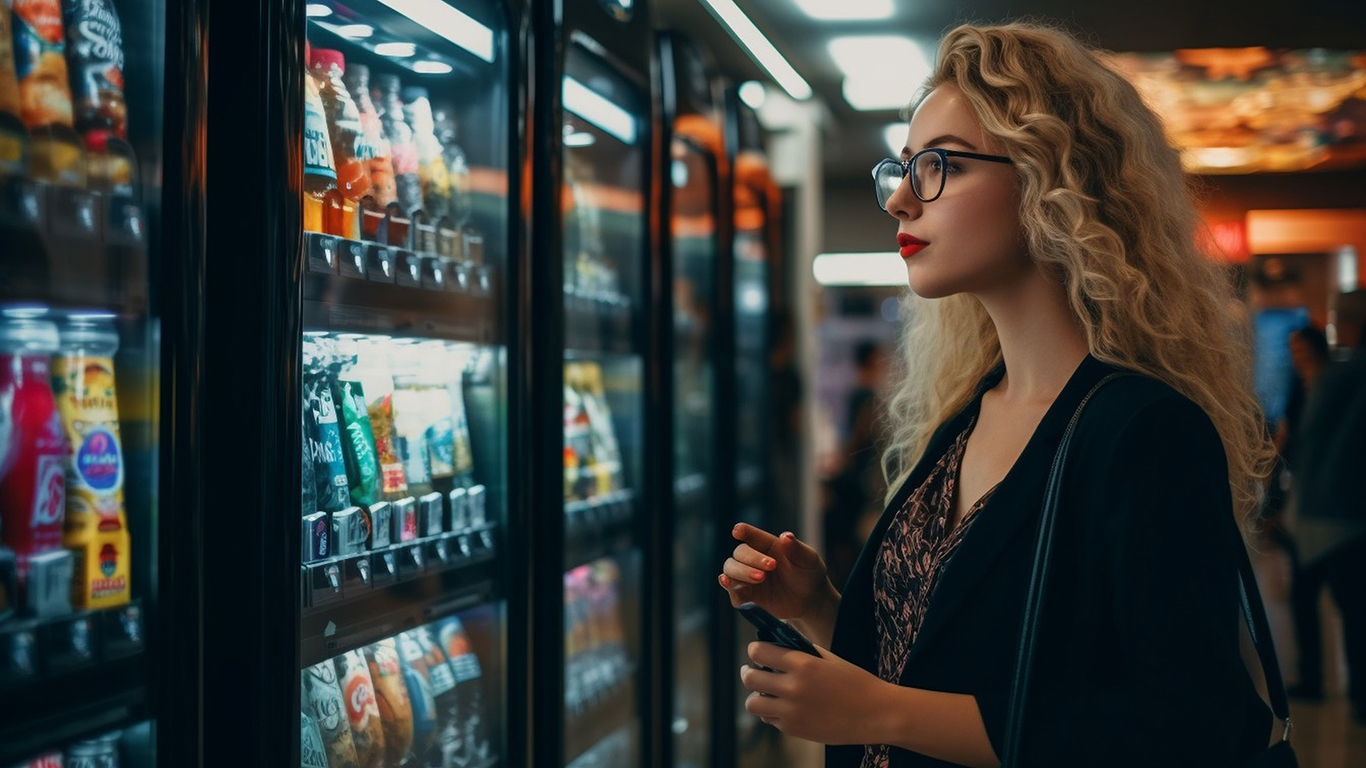
A micro market for office can include snacks, cold beverages, fresh food, and other refreshments depending on the workplace and available space. Employees can see the available choices before making a purchase, creating an experience that feels closer to a small convenience store than a traditional vending machine.
Micro markets can also give businesses more flexibility. Product selections can be adjusted according to employee preferences and purchasing patterns, allowing the refreshment program to evolve rather than remaining fixed.
DEEPER DIVE: Here are Arizona’s Most Admired Companies of 2026
Convenience Remains the Main Advantage
One reason workplace refreshment programs continue to matter is simple convenience. Employees do not always have enough time to leave the office for a snack, coffee, or lunch, particularly during busy workdays.
Having food and beverages available on-site can make breaks easier to manage. Employees can grab what they need and return to their responsibilities without spending additional time traveling to a nearby store or restaurant.
This convenience can be especially useful in larger office buildings, industrial facilities, and workplaces located away from major commercial areas. For employees working early mornings, evenings, or multiple shifts, having refreshments available on-site can be even more valuable.
Break Rooms Are Becoming More Useful
The evolution of workplace refreshments is also connected to the changing role of the break room. A break room is no longer necessarily just a place with a vending machine and a coffee maker.
Companies are creating spaces where employees can sit, eat, have informal conversations, and take a genuine pause from their workstations. Better food and beverage options can complement these spaces and make them more functional throughout the day.
The physical environment matters as well. Comfortable seating, cleanliness, adequate lighting, and a well-organized refreshment area can make a modest break room feel considerably more welcoming.
Technology Is Changing the Experience
Modern workplace refreshment programs are also benefiting from technology. Cashless payments, digital inventory management, and purchasing data can make these systems easier for employees to use and easier for providers to manage.
For businesses, purchasing information can provide useful insight into employee preferences. If certain products consistently sell out while others remain untouched, the selection can be adjusted accordingly.
This creates a more responsive model than simply filling a vending machine according to a fixed schedule. Technology allows refreshment programs to respond to actual demand while helping maintain product availability.
Choosing the Right Refreshment Model
Not every office needs a micro market. The right solution depends on the size of the workforce, available space, employee schedules, location, and expected demand.
A smaller workplace may be well served by traditional vending and a simple coffee station. A larger office with hundreds of employees may benefit from a micro market with a wider product selection. Businesses should also consider restocking, maintenance, payment options, and how easily the service can adapt as their workforce changes.
Working with an experienced provider can simplify those decisions. Companies such as Best Vending can help businesses build workplace refreshment programs around their space and employee needs rather than relying on a single standard setup.
The Workplace Is Moving Toward Greater Flexibility
The shift away from traditional vending reflects a broader change in how companies think about workplace amenities. Employees increasingly expect convenience, choice, and spaces that support different ways of working.
Traditional vending machines can still play an important role, but they are no longer the only option. Micro markets, improved break rooms, better food selections, and technology-enabled services are giving businesses more ways to provide refreshments throughout the workday.
The goal is not to replace every vending machine with a more complicated system. It is to choose a refreshment approach that fits the workplace and gives employees reliable access to the options they actually value.
Frequently Asked Questions
Why are offices moving beyond traditional vending?
Many offices want to provide greater food variety, convenience, and flexibility than a traditional vending machine can offer.
What is an office micro market?
An office micro market is a self-service refreshment area where employees can browse and purchase a wider selection of snacks, drinks, and sometimes fresh food.
Are traditional vending machines still useful?
Yes. They can be a practical choice for smaller offices or workplaces with limited space and straightforward refreshment needs.
How do micro markets benefit employees?
Micro markets can provide more product choices and convenient access to food and beverages without requiring employees to leave the workplace.
How should an office choose a refreshment solution?
Businesses should consider employee numbers, available space, work schedules, product demand, budget, and ongoing service requirements.