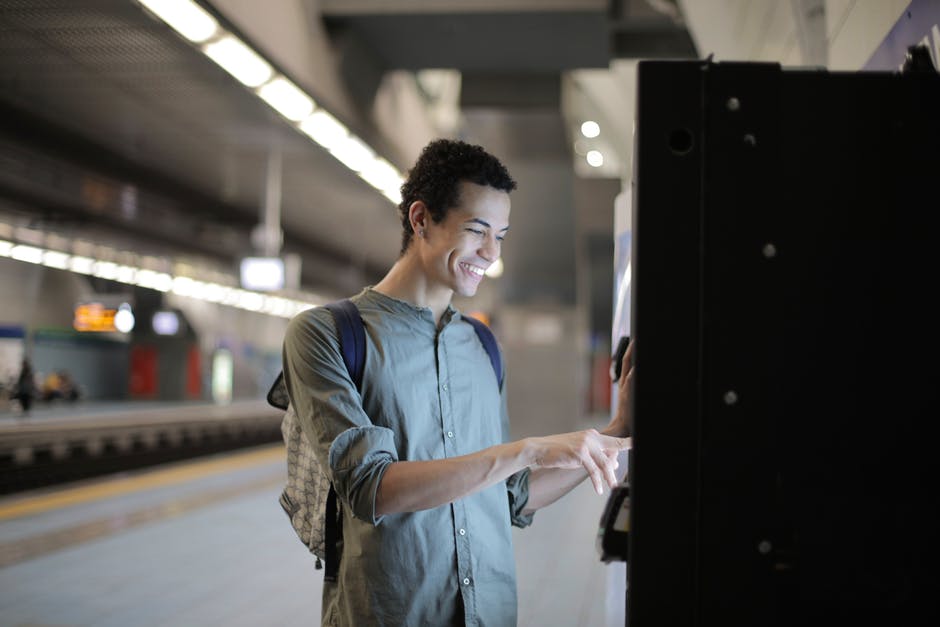
Food and beverages have always had a place in the workplace, but their role is changing. What was once limited to a coffee machine, a few snacks, or a vending machine is becoming a more considered part of the modern office environment. As businesses rethink how employees use shared spaces, workplace food programs are increasingly being viewed as part of the overall employee experience.
This shift is not simply about providing more food. It is about convenience, choice, flexibility, and creating spaces where employees can take a break without having to leave the workplace. For companies trying to create an office environment that works for different employees and schedules, food and beverage services can play a surprisingly important role.
Why Food Matters in the Modern Workplace
Employees spend a significant portion of their day at work, which means basic conveniences can have a meaningful impact on their daily experience. Having access to drinks, snacks, coffee, or lunch options can make the workday easier, particularly when employees have limited time between meetings or responsibilities.
The workplace has also become more diverse in terms of schedules and preferences. Some employees may arrive early, others may work later shifts, and many now follow hybrid schedules. A flexible food and beverage setup can accommodate these differences better than a single break-time arrangement.
A well-planned program can also make shared spaces more useful. Instead of employees simply passing through a break room to make coffee, the area can become a place where people sit, eat, and interact with colleagues.
Convenience Is Becoming a Workplace Expectation
Convenience is one of the biggest reasons companies are paying more attention to workplace food. Employees do not always have enough time to leave the office for a drink or meal, especially during busy periods.
Providing refreshments on-site gives employees another option. They can grab something quickly without spending part of their break driving to a nearby store or restaurant. This can be particularly useful for offices located away from busy commercial areas or workplaces operating across multiple shifts.
Convenience does not mean employees should be encouraged to remain at their desks throughout the day. Instead, having food and beverages available can make it easier for people to step away, take a short break, and return to work without unnecessary disruption.
Offices Are Expanding Beyond Traditional Break Rooms
The traditional office break room often consisted of a refrigerator, microwave, coffee maker, and perhaps a vending machine. That setup can still work, but larger workplaces are increasingly looking for more flexible options.
Office micro markets can provide a broader selection of snacks, beverages, and food in a self-service environment. Employees can browse the available choices rather than being limited to a small number of products inside a vending machine.
This approach can also give businesses more flexibility. Product selections can be adjusted based on purchasing patterns and employee preferences, helping the refreshment program remain relevant as the workforce changes.
Employee Preferences Are More Diverse
Today’s employees do not necessarily want the same food and beverages. Some may prefer healthier snacks, while others may want traditional convenience foods. Dietary preferences can also vary significantly across a workforce.
A modern workplace food program can respond to this diversity by offering a wider selection. Options might include fresh food, fruit, nuts, protein-focused snacks, different types of beverages, and familiar favorites.
The key is balance. Companies do not need to provide every possible product, but they should pay attention to what employees actually use. Purchasing patterns and direct feedback can help businesses refine their selections over time.
Coffee Still Has an Important Place
Despite changes in workplace food programs, coffee remains one of the most common office beverages. For many employees, coffee is part of their morning routine, while others associate it with taking a short break or having an informal conversation with a coworker.
A reliable coffee service can therefore contribute to the daily workplace experience. Consistent supplies, clean equipment, and a reasonable selection of coffee and related products can make the break room more useful.
Coffee can also have a social function. Employees who might not normally interact during their regular work may cross paths while preparing a drink, creating small opportunities for informal communication.
Food Can Support Workplace Connections
The social role of food should not be overlooked. Shared meals, coffee breaks, and casual conversations can help employees interact outside their immediate teams.
A tasty food and beverage area can provide a natural setting for these interactions. Employees do not need to attend a formal event or scheduled meeting to speak with someone from another department.
This does not mean food programs automatically create stronger workplace relationships. However, providing a shared space with useful amenities can create more opportunities for employees to interact naturally during the day.
Technology Is Changing Food Service
Technology is also influencing how workplace food programs operate. Cashless payments, digital inventory systems, and purchasing data can make refreshment services easier to manage.
For employees, technology can simplify the purchasing process. For businesses and service providers, usage data can help identify popular products and determine when certain items need to be restocked.
This creates an opportunity for businesses to make decisions based on actual employee behavior rather than assumptions. A refreshment program can be adjusted as preferences change, helping reduce unnecessary products while keeping popular choices available.
The Right Program Depends on the Workplace
There is no single food and beverage solution that works for every office. A small company with a few employees may only need coffee and a simple snack selection, while a large workplace may require multiple refreshment options.
Businesses should consider employee numbers, work schedules, office size, available space, and nearby food choices when designing a program. Budget and service requirements also need to be considered, particularly when equipment, stocking, and maintenance are involved.
The goal should be to provide useful amenities without creating unnecessary complexity. A simple program that is consistently maintained can be more valuable than an elaborate setup that does not match employee needs.
Professional Providers Can Simplify Management
Managing workplace food services internally can become time-consuming. Someone needs to monitor supplies, coordinate deliveries, maintain equipment, and determine which products should remain available.
Working with a dedicated provider can reduce some of that responsibility. A provider can help manage the day-to-day operation while allowing the business to focus on its employees and core operations.
Companies such as Berkshire Food provide workplace food and beverage services designed around the needs of different businesses. The important consideration is not simply having equipment or products available, but ensuring the service remains reliable and can adapt as workplace needs change.
Food and Beverage Are Becoming Part of the Workplace Experience
The modern office is no longer defined only by desks, conference rooms, and technology. Shared amenities also contribute to how employees experience their working environment.
Food and beverage services can provide convenience, support comfortable breaks, encourage informal interaction, and give employees more options throughout the day. When thoughtfully planned, they become more than an extra perk.
The future of workplace food is likely to be less about simply keeping employees supplied and more about creating flexible, useful environments that reflect how people actually work. For businesses, that means paying attention to employee preferences, choosing practical solutions, and treating everyday workplace amenities as part of the larger office experience.
Frequently Asked Questions
Why are food and beverages important in modern offices?
They provide convenience and can make shared workplace spaces more useful. They also give employees an easy way to access refreshments without leaving the workplace.
What should a modern office food program include?
Depending on the workplace, it may include coffee, cold beverages, snacks, healthier options, fresh food, or a combination of these choices.
What are office micro markets?
Office micro markets are self-service refreshment areas that typically provide a wider selection of food and beverages than traditional vending machines.
How can companies choose the right food program?
Businesses should consider workforce size, employee preferences, schedules, available space, budget, and the level of service required.
Can a food program improve employee experience?
A convenient and well-maintained food program can contribute to a more comfortable workplace by making refreshments easily accessible and supporting better use of shared spaces.