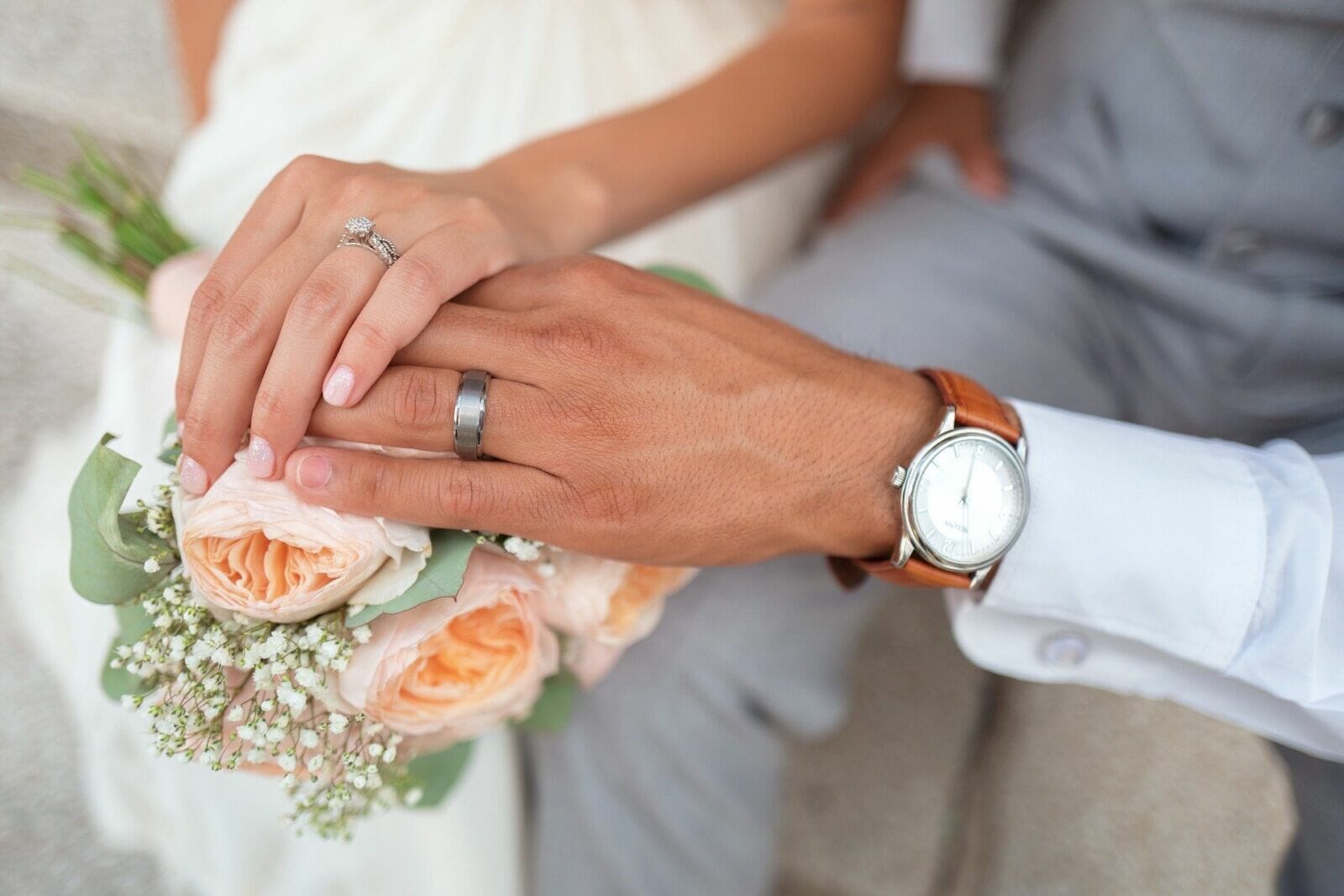
When selecting a ring, whether for personal adornment or symbolizing a significant life event, the choice of material is as important as the design. The market presents an array, from precious metals that have been cherished through history to modern, innovative materials that reflect contemporary tastes and lifestyles. Recognizing the importance of this decision can help ensure that the ring one chooses not only appeals aesthetically but also suits their daily activities and budget.
Rings are not merely ornaments; they are an extension of one’s persona, and the material plays a critical role in that expression. Whether looking for durability, prestige, or a unique style statement, understanding the nuances of each material is key. Below, we delve into the wide world of ring materials to help you make an informed choice.
READ MORE: Here is the outlook for Phoenix’s 2026 housing market
LOCAL NEWS: TSMC Arizona preparing workers for a chips future
Alternative Ring Materials and Their Rising Popularity
In recent years, alternative materials such as tungsten, titanium, and ceramic have gained popularity in the jewelry market. These materials offer unique advantages, including exceptional durability and modern aesthetics.
Tungsten, in particular, is known for its extreme hardness and resistance to scratching. It’s a popular choice for men’s wedding bands due to its masculine look and substantial weight. In fact, Just Mens Rings offers men’s tungsten rings that showcase the sleek, contemporary appeal while boasting durability that withstands daily rigors. Titanium is another strong yet lightweight alternative, desired for its comfort and hypoallergenic properties.
If you’re drawn to these modern materials, consider the kind of maintenance they require and their non-traditional appearance. While they may not have the same classic status as gold or platinum, they often come at more attractive price points and can be ideal for those with active lifestyles or specific design preferences.
Exploring the Diversity of Ring Materials
Diverse materials offer a spectrum of features from aesthetics to functionality. Common choices often revolve around durability, hypoallergenic properties, and affordability. The chosen material directly influences the longevity and appearance of the ring over time.
Gold, for instance, comes in various karats, with 24-karat gold being the purest form, but softer and more prone to scratches. Lower-karat gold, such as 14K or 18K, combines gold with other metals to increase strength and offer various color options, like white and rose gold. Silver is another classic choice, appreciated for its luster and affordability, though it requires frequent polishing to maintain its shine.
When choosing a ring material, consider the maintenance it will need and its compatibility with your lifestyle. Some professions or activities may cause more wear and tear, necessitating a sturdier material, while others might allow for more delicate options.
Precious Metals for Timeless Elegance in Rings
Precious metals such as gold, silver, and platinum represent timeless elegance and are highly sought after for wedding and engagement rings. Their rarity and value add a sense of prestige and tradition to these important pieces of jewelry.
Platinum stands out for its durability and resistance to tarnishing, making it a popular choice for rings that are meant to last a lifetime. Its density and weight give it a luxurious feel that is distinct from other metals. Platinum’s hypoallergenic properties also make it suitable for those with sensitive skin. Gold remains the standard for classic wedding bands and engagement rings, with its rich hue and luster symbolizing wealth and status.
When investing in a ring made of precious metals, it’s wise to ensure the authenticity and quality by checking for hallmarks and buying from reputable sellers. These materials also come with a higher price tag, so consider your budget alongside your preference for tradition and luxury.
Caring for Different Types of Ring Materials
The maintenance required to keep a ring looking its best varies significantly depending on the material. Regular cleaning and proper storage are essential to prevent damage and wear.
For precious metal rings, a gentle cleaning with a soft cloth and mild soap usually suffices, but professional cleanings may be necessary for intricate designs or to restore shine. Gems and settings require special attention to avoid dislodging stones. On the other hand, materials like tungsten or titanium need minimal care—often just a wipe with a damp cloth.
If your lifestyle involves rough handling or exposure to chemicals, consider materials that are less prone to scratching and corrosion. Always store rings away from direct sunlight and harsh environments, and when doing tasks that could damage them, it’s best to remove them to maintain their integrity and appearance.
Overall, the ring material you choose should reflect not only your personal taste and budget but also the practicalities of your daily life. Whether opting for the traditional elegance of precious metals or the robust and contemporary alternatives, understanding the properties and care requirements of each material will help you cherish your ring for years to come.