Dog bites are among the most common types of personal injury cases, and while most dogs are gentle companions, certain factors can increase the likelihood of an attack. Breed tendencies, environmental conditions, owner behavior, and even health issues can all influence how a dog reacts in stressful situations. Recognizing these risks helps owners prevent incidents and gives victims a clearer understanding of when an attack may have been avoidable.
In cases where prevention fails, determining responsibility often requires analyzing the animal’s behavior and surrounding circumstances. Attorneys handling dog bite injury claims examine whether an owner could have reasonably anticipated the danger or taken steps to stop it. Understanding which breeds, scenarios, or conditions elevate the risk of biting is essential not just for legal purposes, but also for ensuring the safety of both people and pets.
Breed Tendencies and Common Misconceptions
Some dog breeds are often seen as more aggressive, but this isn’t always true. Breeds like Pit Bulls, Rottweilers, German Shepherds, and Doberman Pinschers often show up in bite statistics because they are strong and protective. However, many of these dogs can be good family pets. While genetics matter, proper training, a good environment, and socialization are just as important in shaping a dog’s behavior.
A calm, well-trained large dog can be safer than a smaller, anxious dog that lacks discipline. Laws usually don’t blame specific breeds; instead, they focus on the dog’s individual behavior. If an owner knows their dog has been aggressive before, they are more responsible for preventing future attacks. Breed traits may create certain tendencies, but it’s human care that decides whether a bite occurs.
MORE NEWS: Phoenix bucket list: 25 things you must do
INDUSTRY INSIGHTS: Want more news like this? Get our free newsletter here
The Importance of Socialization and Training
A dog’s upbringing often dictates its behavior around people and other animals. Dogs that are isolated, neglected, or exposed to harsh discipline tend to develop fear-based aggression, while those introduced to diverse environments early on usually remain calm in unpredictable situations. Socialization teaches dogs to interpret human cues properly and reduces anxiety during interactions.
Training reinforces this stability. Consistent obedience commands, positive reinforcement, and structured boundaries give dogs confidence and clarity. When owners skip this process, they inadvertently create uncertainty, which can manifest as defensive or territorial aggression. Courts often assess whether a dog’s training—or lack thereof—played a role in an attack, particularly when the behavior could have been prevented with reasonable care.
Situations That Escalate Aggression
Aggression in dogs doesn’t appear out of nowhere—it often arises in response to stress, fear, or environmental triggers. Recognizing these situations early can help prevent dangerous encounters and potential liability.
- High-stress environments: Crowded gatherings, loud events, or visits to the veterinarian can overwhelm dogs, increasing anxiety and defensive behavior.
- Startling triggers: Approaching a dog while it’s eating, sleeping, or being physically restrained can provoke a bite response.
- Fear and discomfort: Unexpected touch or confinement may cause even calm dogs to react aggressively.
- Protective instincts: Dogs may become territorial or defensive if they perceive a threat to their owner, home, or food.
- Group dynamics: When dogs are in packs, they often mirror one another’s arousal or aggression, escalating conflicts quickly.
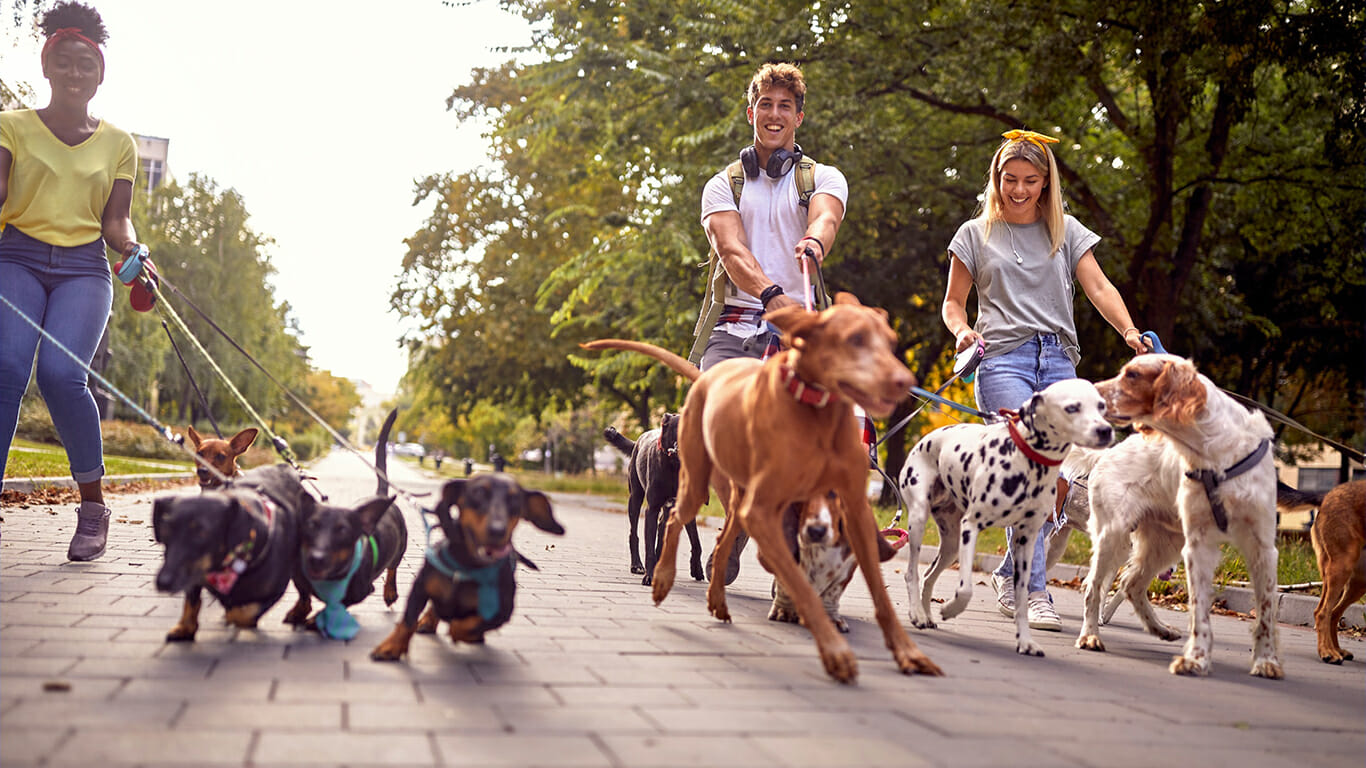
- Lack of control during walks: Handling multiple dogs or allowing them to interact freely without supervision raises the risk of confrontations.
- Owner liability: Failing to manage or separate dogs in high-tension scenarios can result in legal responsibility if an attack occurs.
- Situational awareness: Understanding and avoiding triggers is just as vital as training or temperament in preventing bites.
Territorial and Protective Behavior
Dogs are naturally territorial creatures. They view their homes, yards, and even owners as things to defend. This instinct, while useful for protection, can become dangerous when the dog perceives a harmless action as a threat. Delivery drivers, postal workers, and visitors are frequent victims because dogs instinctively guard property and family members.
Protective behavior doesn’t always indicate aggression—it’s a form of loyalty. However, it becomes a legal issue when an owner fails to anticipate it. Allowing an overly territorial dog to roam near fences, entryways, or public areas without supervision can be considered negligent. Responsible pet owners recognize potential triggers and use barriers, leashes, and training to keep both their pets and the public safe.
Environmental and Health-Related Factors
External conditions can dramatically affect a dog’s mood and behavior. Confinement, lack of exercise, or exposure to loud environments can increase frustration, making a dog more reactive. Dogs that are chained for long periods or kept in isolation often develop heightened territorial instincts, viewing any approach as a threat.
Health issues are another overlooked contributor. Dogs in pain—from arthritis, infections, or dental problems—may bite when touched or startled. Even neurological conditions or hormonal imbalances can alter behavior. Regular veterinary checkups and proper care reduce these risks. When owners ignore medical problems that influence behavior, they may be held liable for resulting injuries.
Recognizing Early Warning Signs
Dogs rarely bite without warning. Before attacking, they display subtle cues such as stiff posture, growling, pinned-back ears, or raised fur. Understanding and respecting these signs can prevent many incidents. Children, in particular, should be taught not to approach unfamiliar dogs or interrupt them while eating or resting.
Owners also have a duty to notice behavioral changes. A previously friendly dog that begins to act nervously or reactively may be signaling distress. Ignoring these warnings not only endangers others but also strengthens a potential negligence claim. Awareness and early intervention through behavior modification or professional training are critical in preventing escalation.
Preventive Measures for Safer Communities
Dog bite prevention starts with responsible ownership. Basic actions—regular walks, secure fencing, proper leashing, and consistent training—can dramatically lower the risk of aggression. Dogs that are mentally stimulated and emotionally balanced are far less likely to lash out. Public education about canine behavior further reduces misunderstandings that often lead to bites.
For communities, enforcement of leash laws and reporting of aggressive incidents are essential. Each report helps animal control agencies track high-risk cases and encourage corrective measures before another attack occurs. Prevention is a shared responsibility—owners must manage their dogs, and the public must learn how to interact safely with them.
Liability and Legal Considerations
When a dog bite occurs, the law examines what led to it. Courts check if the owner took reasonable steps to prevent harm. Failing to control an aggressive dog or ignoring warning signs can show negligence.
Victims seeking compensation must prove the owner’s lack of control caused the attack. Evidence like witness statements and medical reports strengthens claims. An owner is liable when their carelessness allows a predictable danger to happen.
Awareness as the Best Prevention
Any dog can bite, even if some breeds and situations carry more risk. Bites result from a mix of genetics, environment, and human interaction. Dog owners can lower the chance of bites by socializing, training, and caring for their pets. Victims can also stay safe by recognizing signs of discomfort and avoiding risky interactions.
Preventing bites requires awareness from both dog owners and others. Understanding why dogs bite helps communities coexist safely. Educating and acting responsibly builds trust between humans and dogs.