A lakeside getaway in Arizona doesn’t have to involve a hotel stay. You can spend the day swimming, boating, or relaxing along the shore, then head back to a campground for the night. It’s an easy way to combine time on the water with an overnight camping trip.
The two parts of the day call for different preparations. Lakeside activities require shade, plenty of water, and convenient access to the shore. Overnight camping means thinking about sleeping space, keeping gear organized, and preparing for cooler temperatures.
The key to a relaxed weekend is choosing the right lake and making separate plans for daytime activities and overnight camping.
Choose Your Lake and Confirm Where You Can Camp
Lake Havasu, Lake Pleasant, and Patagonia Lake all make appealing weekend destinations, though each offers a different experience.
Lake Havasu is well suited to a mix of water activities and lakeside relaxation. Lake Pleasant, near Phoenix, makes it convenient to combine boating, time along the shore, and a short camping trip. Patagonia Lake may appeal more to visitors interested in natural surroundings, fishing, and a slower pace.
Rather than choosing a destination based on photos alone, consider how you want to spend your time. Are you planning to swim, go boating, relax by the water, or spend more time at the campground?
Once you’ve picked a lake, check the rules for both day-use areas and overnight camping. A shoreline open for swimming or picnicking isn’t necessarily available for overnight tent camping. Requirements depend on the specific park, campground, or managing authority.
Your daytime spot and campsite don’t have to be next to each other. If traveling between them is convenient, separate locations can work just as well.
Plan for Shade and Comfort by the Water
Arizona’s intense sunshine makes shade and hydration essential during a long day at the lake. Even a lakeside breeze may not provide much relief from prolonged sun exposure.
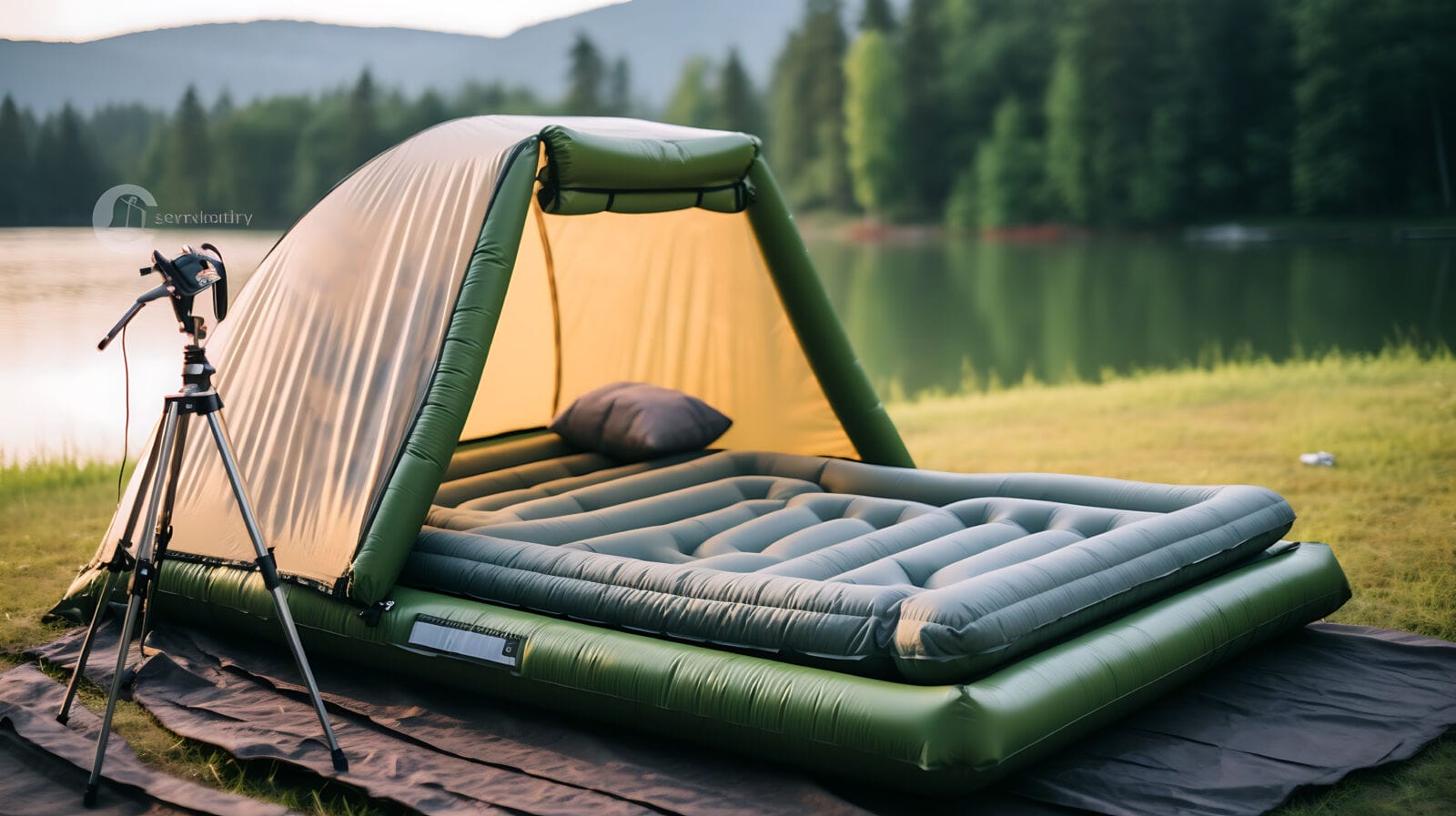
For picnics, relaxing, or keeping belongings nearby, consider a beach umbrella, portable canopy, or inflatable beach tent, depending on what the area allows. These shelters are designed for temporary daytime shade, so look at coverage, portability, and how securely they can be anchored rather than treating them as overnight camping tents.
Choose a permitted spot close to your activities without blocking public walkways. Keep drinking water, towels, and personal items together so you don’t have to make repeated trips to retrieve them.
If the heat becomes excessive, move to an air-conditioned indoor space or another safe, cooler location. Shade helps, but it isn’t enough on its own during extreme heat.
Make the Move From the Shore to the Campsite Easier
After a day on the water, wet swimsuits, sandy towels, and scattered gear can make settling into camp harder than it needs to be.
Packing daytime supplies separately from overnight essentials helps. Keep swimming gear together, and store sleeping bags, clean clothes, and other items that need to stay dry in separate bags. When you return to camp, you won’t have to dig through everything to find a change of clothes.
When setting up an inflatable camping tent, choose level ground where camping is allowed. Follow the manufacturer’s inflation instructions and secure the tent with stakes and guy lines. Air beams reduce the need to assemble traditional poles, but proper anchoring is still essential.
Check the overnight forecast as well. Some lakeside areas cool considerably after sunset, even after a hot afternoon, so choose sleeping bags and pads for the expected conditions.
If you’re returning to camp near sunset, confirm the parking area and basic facilities ahead of time. That way, you won’t be figuring everything out in the dark.
Make Room for Extra Gear Inside the Tent
Lake trips often involve more gear than a typical camping weekend. Life jackets, swimsuits, water activity equipment, and extra clothes all need somewhere to go. When several people share a tent, that extra luggage can quickly reduce usable space.
Families looking for more room to organize their belongings may consider spacious inflatable tent house designs. What matters most, though, is the actual floor area rather than the product category.
For example, Zonkoo Vega, a model among inflatable tents for camping, offers 129 square feet of interior space and accommodates two to six people. On a lake trip, those measurements help families plan for more than sleeping capacity. They can also estimate how much room will remain for mattresses, clean clothes, and clear walkways once the extra gear is accounted for.
Start with the sleeping area, then set aside space for clean clothing and personal items. Keep wet or sandy equipment separate rather than piling it beside sleeping bags.
If you’ve brought more gear than you need overnight, store the extra items securely wherever campground rules allow.
Watch the Weather and Lake Conditions
Conditions at Arizona lakes can change with the season. Extreme heat, strong wind gusts, and sudden thunderstorms may affect both water activities and camping, so check the forecast and any notices from local park or campground authorities before heading out.
Not every stretch of shoreline is suitable for swimming. Some areas are used by boats, while others may have rocks, changing water depths, or other hazards. Follow posted signs and use appropriate life jackets or other safety equipment for your activities.
At the campground, look for level ground with good drainage rather than choosing a spot solely because it’s close to the water. If thunderstorms or other dangerous conditions develop, stop outdoor activities and seek appropriate shelter.
Before leaving, dispose of trash, food packaging, and other waste properly, and leave the campsite clean.
Enjoy the Lake Without Rushing the Weekend
An Arizona lake getaway doesn’t have to keep every activity in one place. Spend the day on the water or along the shore, then return to a designated campground to change out of wet clothes, have dinner, and unwind.
Choose your lake, confirm your campsite, and check the weather before you go. With those details covered, you’ll have more time to enjoy the scenery and outdoor activities at Lake Havasu, Lake Pleasant, or Patagonia Lake.