
Black Friday can be a useful time to shop for a streaming box, especially for households looking to improve their television setup without replacing an entire TV. However, a large discount does not automatically mean a purchase offers the best value. The original price, final checkout amount, storage capacity, included accessories, warranty, and possible service costs all affect how much a device is worth over time. Comparing these details before buying can help shoppers make a more informed decision.
When researching options such as SuperBox, buyers should look beyond the percentage displayed in a promotional banner. Two devices with similar prices may offer different storage capacities, remote controls, connectivity options, and viewing features. A careful comparison helps separate the appeal of a seasonal offer from the practical value of the hardware itself. It also makes it easier to choose a device that suits everyday viewing habits rather than paying for features that may never be used.
Why the Advertised Discount Is Only the Starting Point
Black Friday promotions often focus on percentage savings because they are easy to understand at a glance. A product marked 20% off may appear more attractive than one discounted by 10%, but the percentage alone cannot tell you which purchase is better. The starting price, included equipment, and features available at the final price all matter.
For example, a $400 device discounted by 10% costs $360 before any applicable taxes or additional charges. A $350 device discounted by 15% costs $297.50 on the same basis. Although the second discount is only five percentage points higher, the final difference between the products is $62.50.
This is why shoppers should calculate the actual amount they will pay instead of judging offers by promotional language. The comparison should also account for whether the two devices provide similar functions. A lower-priced product may be perfectly suitable for basic use, while a more expensive model might offer additional storage or features that justify the difference for a particular household.
Calculate the Final Checkout Amount
Start with the current selling price, subtract the discount that applies to your order, and then add any relevant taxes, delivery charges, or optional accessories. If a promotional code is required, check that it works with the selected model and quantity before treating the advertised saving as confirmed.
It is also worth checking whether the promotion has a spending threshold or requires multiple units. A larger discount may be available for buying several devices, but purchasing equipment you do not need can cost more than buying a single unit at a smaller discount.
Compare Hardware That Matches Your Viewing Habits
Streaming boxes are not identical, even when they are designed for similar home entertainment purposes. Storage, memory, network connections, remote controls, and supported playback features can affect the everyday experience. The most useful comparison begins with the needs of the people who will use the device.
A household that mainly opens a few applications may not need the same storage capacity as someone who installs more applications or regularly saves supported recordings. Similarly, a viewer who often watches television in a dim room may appreciate an illuminated remote, while another user may care more about wired networking or the ability to display multiple supported sources.
Consider the television itself, too. A device offering high-resolution playback will not automatically make every program appear at that resolution. The television, source material, application, and internet connection all influence the result. Buyers should therefore focus on features they can realistically use rather than treating the longest specification list as proof of better value.
Understand the Difference Between Storage and Memory
Storage and RAM serve different purposes. Internal storage holds applications and other saved data, while RAM helps the operating system and applications manage their active tasks. A device with more storage can be useful for people who install numerous applications or keep compatible files locally, but additional capacity does not guarantee faster performance in every situation.
Connectivity deserves similar attention. Wi-Fi can be convenient when the television is far from a router, while an Ethernet connection may be preferable where a cable can be installed easily. A stable home network remains important regardless of the advertised wireless standard. Understanding these distinctions helps shoppers compare equipment based on practical needs instead of specifications alone.
Look Beyond the Box Price to the Cost of Ownership
The initial purchase is only one part of a device’s total cost. Some streaming arrangements require paid subscriptions, application purchases, or separate service accounts. Internet access is another ongoing household expense, although it may already be included in the family’s existing budget.
Before buying, determine exactly what the hardware purchase covers. Check whether the seller includes the power supply, HDMI cable, remote control, and other necessary accessories. If an item is not included, estimate its price and add it to the comparison. A device that appears cheaper initially may become less economical once essential extras are purchased.
Warranty coverage also contributes to value. Read the stated warranty period and identify which components are covered, how claims are handled, and whether exclusions apply. Return conditions matter as well, particularly when a product is being purchased as a gift or when compatibility has not yet been confirmed.
Separate Included Features From Paid Services
A manufacturer’s description may mention access to applications, voice functions, recording tools, or a channel guide. These features should not be confused with a promise that every third-party service is included at no cost. Some applications may require accounts or separate payments, and content availability can change.
Ask whether a listed feature belongs to the device itself or depends on an external provider. This distinction is particularly important when comparing the long-term cost of streaming equipment. An inexpensive box can become more costly if the services a household wants require additional subscriptions, while a device with useful built-in functions may reduce the need for certain optional accessories.
What the SuperBox S8 Ultra Adds to the Comparison
For shoppers comparing higher-capacity streaming hardware, the SuperBox S8 Ultra 128GB is one model worth examining. The product listing specifies 128GB of internal eMMC storage, 4GB of DDR memory, Wi-Fi 6 support, gigabit Ethernet, Bluetooth 5.2, and a backlit voice remote. It also lists Picture-in-Picture, Multi-View, and built-in recording features. These specifications may be relevant to households that want more internal storage or enjoy using compatible multitasking features. The listing displays a regular price of $449, but shoppers should confirm the current selling price, availability, and applicable promotional terms before calculating their final cost. As with any streaming device, actual playback and application performance depend on the content source, software, network, and compatible equipment.
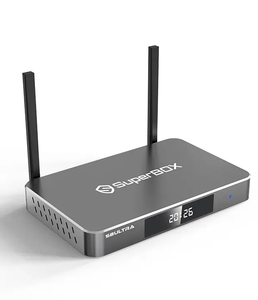
When assessing this model against alternatives, consider which features would genuinely improve your routine. Someone who values a backlit remote and larger storage capacity may see a reason to pay more, while a person who uses only a small number of applications may find a lower-capacity model sufficient. Neither choice is automatically better for everyone; the right decision depends on the balance between cost and intended use.
How to Evaluate Black Friday Offers Without Rushing
Seasonal promotions can create pressure to buy quickly, but a short comparison can prevent avoidable expenses. Start by recording the regular price and current sale price of each model you are considering. Next, identify the discount conditions, included accessories, warranty, return policy, and any recurring costs associated with the services you intend to use.
It is also useful to compare the same details across more than one seller. Look for clear product specifications, accessible support information, and transparent policies rather than relying entirely on a headline discount. Confirm that the model name and storage capacity match across the product page, cart, and checkout screen.
The SuperBox Black Friday deals page is one place shoppers can consult when reviewing the brand’s seasonal promotion. Its Cyber Weekend offer advertises savings of up to 20% depending on order quantity, along with a gift bundle stated to be worth $59.99. The page lists November 30, 2026, as the promotion’s end date. These terms should be checked directly before purchase because eligibility, availability, and checkout conditions can affect the final result.
Calculate Savings on the Quantity You Actually Need
Suppose a household is considering two devices for separate rooms. The relevant comparison is not simply whether a multi-unit discount is larger than a single-unit discount. Calculate the final cost of two units, compare it with the cost of buying them separately, and decide whether both devices are genuinely needed.
The same principle applies to gifts. A bundle containing accessories can provide additional value if those items are useful, but the stated retail value of a gift is not the same as cash savings. Compare the final price with what you would reasonably pay for the included items independently. This approach gives you a more realistic understanding of the offer.
Make Sure the Device Fits Your Home Setup
Before completing an order, confirm that the television has an available HDMI input and that the device can connect to your home network. A smart television is not necessarily required for every HDMI-based streaming box, but a compatible display and reliable internet connection are important. Buyers should also consider where the device will sit, whether wired networking is practical, and whether the remote’s controls suit the intended user.
For households with children, parental-control options and access to age-appropriate content may be worth reviewing. For older users, straightforward navigation and readable remote buttons might matter more than advanced technical features. These considerations may not appear in a discount calculation, but they can determine whether a purchase remains useful after the excitement of Black Friday has passed.
It is sensible to review the seller’s support arrangements before ordering. Find out where setup instructions are available, how to contact customer service, and what information may be needed if troubleshooting becomes necessary. Reliable documentation and clear policies can make a meaningful difference when choosing between otherwise similar products.
A Better Way to Judge the Real Value
The strongest Black Friday purchase is not always the device with the biggest discount or the most features. It is the one that meets your needs at a final price you can justify, with no unexpected costs that undermine the original saving. Comparing hardware specifications, included accessories, ongoing service expenses, warranty coverage, and return conditions provides a more complete picture than a sale percentage alone.
Take time to verify promotional codes and confirm the final checkout total. Decide which features matter before browsing, and avoid increasing your budget simply because a higher-priced model appears to offer a larger saving. When the numbers and practical requirements are clear, it becomes easier to recognize a worthwhile deal and ignore offers that do not fit your household.