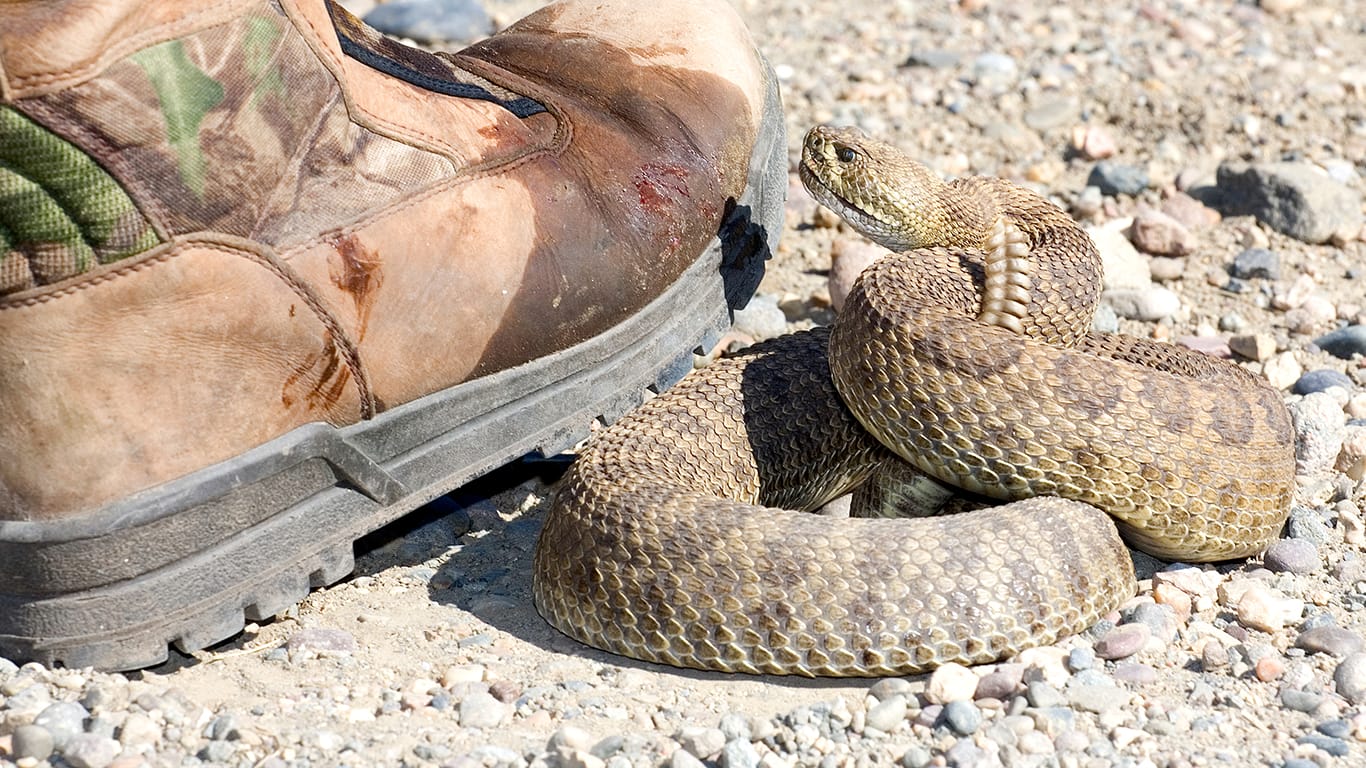
As Arizona residents face rising temperatures and brace for an early summer, the Banner Poison & Drug Information Center is warning residents to stay cautious as venomous creatures — particularly rattlesnakes and scorpions — become more active.
LEARN MORE: The 15 best public and private high schools in Metro Phoenix
FOOD NEWS: 25 places for great patio dining in Arizona
With the warmer weather, venomous species like rattlesnakes, scorpions, spiders, centipedes and lizards are more commonly seen as they search for food, shelter and mates. The Banner Poison & Drug Information Center already has handled 10 reported cases of rattlesnake bites and 237 scorpion stings this year. In 2025, the center saw nearly 2,300 scorpion stings and more than 100 rattlesnake bites. The peak season for these occurs during the state’s hottest months — typically July through September.
Children are especially at risk for suffering from bites or stings, with more than a dozen pediatric rattlesnake bite cases and thousands of scorpion stings reported each year.
“Children face a greater risk of severe effects, so it’s crucial to contact the Poison Center immediately if someone is bitten or stung,” said Maureen Roland, RN, director of the Banner Poison & Drug Information Center. “We encourage parents to educate their children early about the dangers of rattlesnakes and scorpions and teach them to stay away and never attempt to touch.”
When going for a hike or doing activities like gardening or yard work, make sure to wear shoes and protective clothing and be extremely cautious when reaching or stepping into obscured areas. Rattlesnakes often hide under wood piles, brush, and rocks — if found, contact a pest-control company for relocation, and never attempt to move, kill, or relocate it yourself. If bitten by a rattlesnake, get to a hospital as soon as possible for treatment — never cut the wound, attempt to “suck out” venom, or use ice or tourniquets.