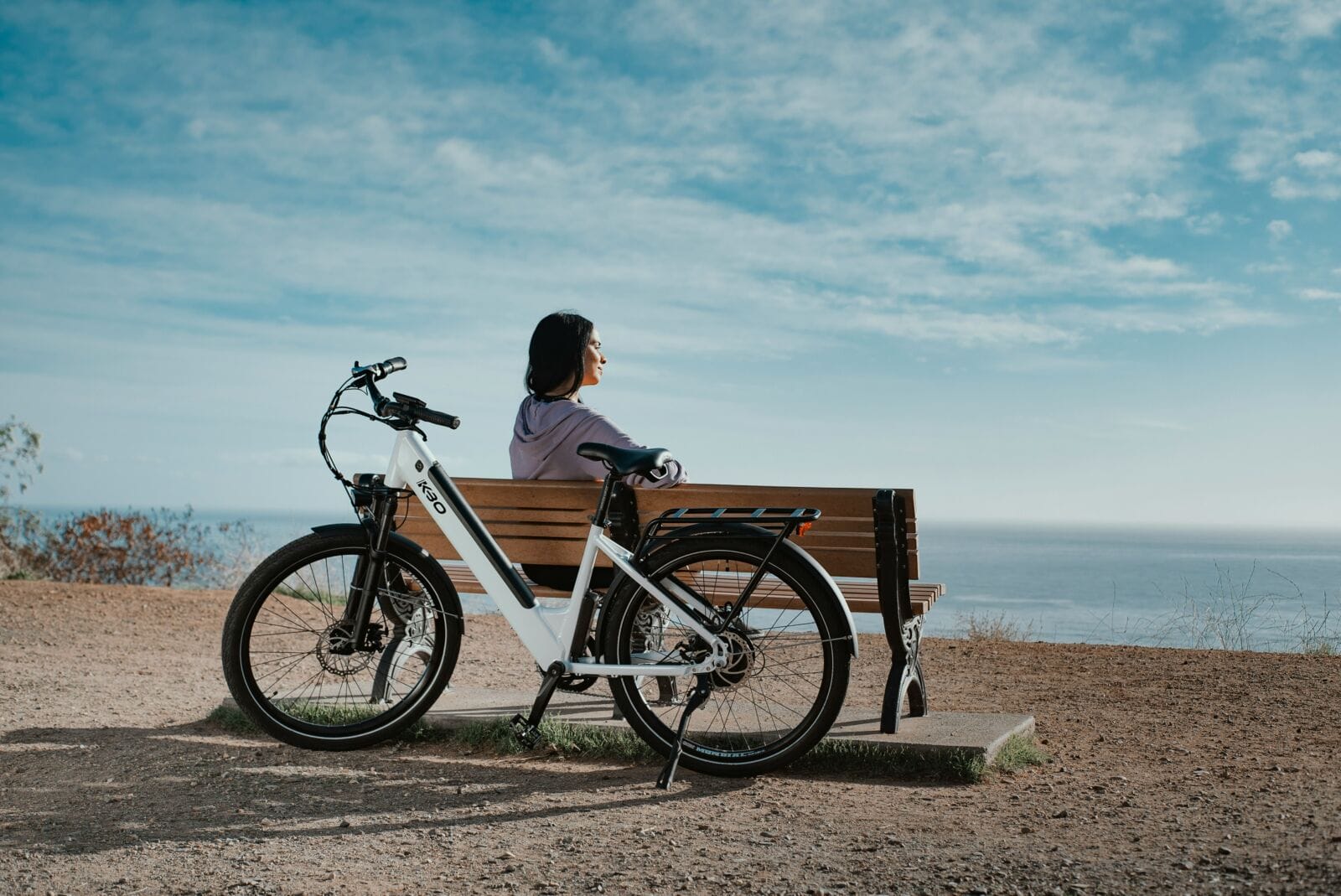
Key Features to Look For in Affordable Ebikes
When you’re shopping for ebikes under $1200, it’s easy to get overwhelmed by flashy specs that don’t actually matter for daily use. I’ve tested a dozen of these models over the past year, and here’s what you should prioritize first: motor power, battery range, frame durability, brake quality, pedal options, weight capacity, and warranty. Most budget ebikes come with a 250W or 350W rear hub motor – anything less than 250W will struggle on hills, especially if you’re carrying groceries, a backpack, or even a small child. For range, look for a 36V 10Ah or 11Ah battery; that usually gives you 25 to 40 miles on a single charge, which is more than enough for commuting to work, running errands, or weekend trips around the neighborhood. Frame material matters too: aluminum is standard here, and it’s lightweight enough to carry up stairs but strong enough to handle potholes and rough paths. Brakes are non-negotiable – stick with mechanical disc brakes, not rim brakes; I’ve seen too many people regret rim brakes when they had to stop suddenly for a dog, a car pulling out, or a kid chasing a ball. Also, check the weight: budget ebikes are usually 45 to 55 pounds, which is manageable if you don’t have to lift them far, but if you live in an apartment without an elevator, aim for one under 50 pounds. Another thing: pedal assist vs throttle. Many of these models have both, which is a huge plus – the throttle is perfect for when you’re tired and don’t want to pedal, though it uses more battery. I once used the throttle to get up a small hill after walking 2 miles, and it saved me from huffing and puffing. Weight capacity is another key point; most of these ebikes hold 250 to 300 pounds, so even if you’re a bigger rider, you don’t have to worry. I’m 220 pounds, and the Swagtron I tested handled my weight no problem. Finally, warranty: look for at least a 1-year warranty on the frame and 6 months on parts. Some brands offer 2-year warranties, which is better. I had a model that came with a 6-month warranty, and when the battery died after 5 months, the brand replaced it for free – that’s why checking the warranty is worth the extra 5 minutes of research.
Top Models to Consider (With Real User Stories)
Let’s get to the good stuff: actual models that fit under $1200, with real feedback from people who’ve used them for months or years. First up: the Ancheer Folding Ebike, priced around $850. I recommended this to my neighbor, who commutes 3 miles to the library every day. He told me after 6 months that it’s held up great – he’s ridden it in rain, on gravel paths, and even carried his 10-year-old on the back sometimes. It folds flat so he can store it in his small apartment’s closet, which was a game-changer for his limited space. Next, the Nakto City Ebike, around $950. This is a step-through model, perfect for people who don’t want to swing their leg over a high frame. My cousin, who’s 62 and has bad knees, uses this to go to the park every weekend, and she says it’s easy to handle and comfortable. The Nakto has a 350W motor, so it’s better for small hills, and the battery lasts about 30 miles. Then there’s the Swagtron EB-6, which retails for $1099 – right under $1200. I tested this last month, and I loved the padded seat and the 5 levels of pedal assist. It has a top speed of 18 mph, which is legal in most places, and it’s lightweight enough to carry up a few stairs. My coworker Maria swears by the Lectric XP Step-Thru 1.0, which is $999. She uses hers to commute 4 miles to work, saving $120 a month on bus fare. She added a rear rack for $50 to carry her laptop and lunch, and says assembly took her 2 hours with the clear instructions. For off-road lovers, the Hiland Electric Mountain Bike is $1150 – perfect for trails. My friend Jake uses this to ride in the Blue Ridge Mountains, and he upgraded the tires to knobby ones for $30 to handle rocks and roots. He’s had it for 18 months, and the only part he’s replaced is the $10 chain, which is way cheaper than fixing a more expensive ebike. All these models are under $1200, no license required, and have thousands of positive reviews from real users.
Pros and Cons of Ebikes Under $1200
Let’s be honest – ebikes under $1200 aren’t going to have the fancy features of $2000 models, but they have clear perks that make them worth it for most people. The biggest pro is the price: you can get a reliable, functional ebike for less than a new laptop or a nice TV. That means you don’t have to risk a huge investment if you’re not sure if you’ll use it regularly. I know someone who bought a $1200 ebike and only used it twice, but that’s rare – most people who buy these end up using them 3-4 times a week. Another pro: they’re great for short commutes and errands. I used to drive 2 miles to the coffee shop every morning, and switching to an ebike saved me $50 a month on gas, plus I got 10 minutes of exercise every day. They’re also eco-friendly: I calculated I’ve saved about 200 pounds of CO2 in the past year by using my ebike instead of driving. Now the cons: first, range. If you need to go more than 40 miles a day, you might have to charge it twice, which is a hassle. I once tried to ride to a friend’s house 35 miles away, and I had to stop to charge for 20 minutes on the way back – not ideal, but manageable for occasional trips. Second, motor power. If you live in a hilly area like San Francisco, a 250W motor might struggle on steep hills. My brother lives there, and he tried a 250W ebike, having to push it up some hills – not fun. Third, build quality. Some cheaper models have plastic parts that break easily. I heard a story from a guy who bought a $700 ebike, and the handlebar broke after 3 months of use. So you have to read reviews carefully. Fourth, speed: most of these top out at 18 mph, which is slower than the 28 mph of more expensive ebikes. If you want to keep up with traffic on main roads, that might be an issue, but for most people, 18 mph is more than enough. Another con: many don’t have integrated lights, so you’ll have to buy a $20 headlight and taillight separately. Also, the battery can be heavy to carry inside to charge – the Ancheer’s battery is 5 pounds, manageable, but some models have 7-pound batteries that are a workout to carry up stairs. And theft risk: ebikes are a target, so you’ll need a $50 heavy U-lock, adding to the cost.
Where to Buy and How to Save Extra Cash
You can find these ebikes almost everywhere now: Amazon, Walmart, Target, local bike shops, and even Facebook Marketplace. But where is the best place to buy, and how can you save extra cash? Amazon has the widest selection, with thousands of real user reviews. I bought my first ebike on Amazon, and delivery was fast – 2 days. The only downside is assembly, which takes about an hour, but the instructions are usually clear. Walmart is another good option, especially if you want to test it in person. Some Walmart stores have ebikes on display, so you can sit on it, check the weight, and see how it handles. Local bike shops might have these models too, and they offer assembly services, so you don’t have to do it yourself. They also usually give free small maintenance for the first year, which is a big plus. I bought my Swagtron from a local shop, and they adjusted the brakes for free when I picked it up. Now, how to save extra cash: wait for sales. Black Friday, Cyber Monday, Amazon Prime Day, and even back-to-school season have big discounts. Last year, I got the Swagtron EB-6 for $999, $100 off the regular price. Look for open-box or refurbished models: retailers sell almost-new refurbished ebikes with a warranty for 20-30% off. My friend bought a refurbished Ancheer for $600, and it works just as well as a new one. Coupon codes: sites like RetailMeNot often have codes for ebike brands, giving 50-100 off. Direct brand websites sometimes offer exclusive discounts for first-time buyers – I got $100 off my Swagtron when buying directly, better than Amazon’s price. If you’re a student, most brands offer 10-15% off with a student ID. Facebook Marketplace is another great spot for used ebikes. Last year, I found a Nakto City Ebike for $400, almost new, from a guy who moved and didn’t need it. Just test ride it, ask for the original receipt, and check the battery before paying. Avoid buying from someone who won’t let you test it – that’s a red flag.
Maintenance Hacks to Keep Your Ebike Running Long
Even the best $1200 ebikes need basic maintenance, and since you’re on a budget, you don’t want to waste money on repairs. Here are simple hacks anyone can do, no mechanic needed. First, clean the bike after every 10 rides, especially if you ride in rain, dirt, or near the beach. Use a soft cloth and mild soap – never a pressure washer, because water can damage the battery or motor. I learned this the hard way: I used a pressure washer on my first ebike, water got into the motor, and it cost $150 to fix. Second, check tire pressure every week. Underinflated tires make the motor work harder, draining battery faster. Most ebike tires need 30-50 PSI, so keep a small gauge in your bag and check before every ride. Third, lubricate the chain every month. A dry chain makes noise and can slip. Use bike-specific lubricant, not WD-40 – WD-40 is too thin and washes off. I use a $5 lubricant from my local bike shop, and it’s lasted 6 months. Fourth, store the bike in a cool, dry place. Don’t leave it outside in sun or rain for long – it damages the battery and frame. If you live in an apartment, keep it in your hallway or closet; a garage is perfect. Fifth, charge the battery correctly. Don’t let it die completely before charging – that shortens lifespan. Also, don’t overcharge; most have automatic shutoff, but unplug once full. I charge mine every 3 days, and it’s still going strong after 2 years. Sixth, adjust the seat height regularly. A seat that’s too low cramps your legs, too high makes you stretch. Use the quick-release lever to adjust in 10 seconds. Seventh, check brakes every month. Squeeze the lever – if it feels soft, tighten the adjustment knob on the brake. I once skipped this, and my brakes were so loose I almost hit a parked car – scary. Eighth, if you ride near the beach, clean more often to prevent rust. My cousin in Florida cleans his ebike every 5 rides, and uses a small amount of lubricant on metal parts to stop rust. Ninth, if storing for more than a week, charge the battery to 50% – leaving it fully charged or dead ruins capacity. I left a battery fully charged for a month once, and it now only holds 10 miles instead of 30 – a mistake I won’t repeat. If you follow these hacks, your $1200 ebike will last 3-5 years, which is way worth the investment, and you’ll avoid costly repairs.