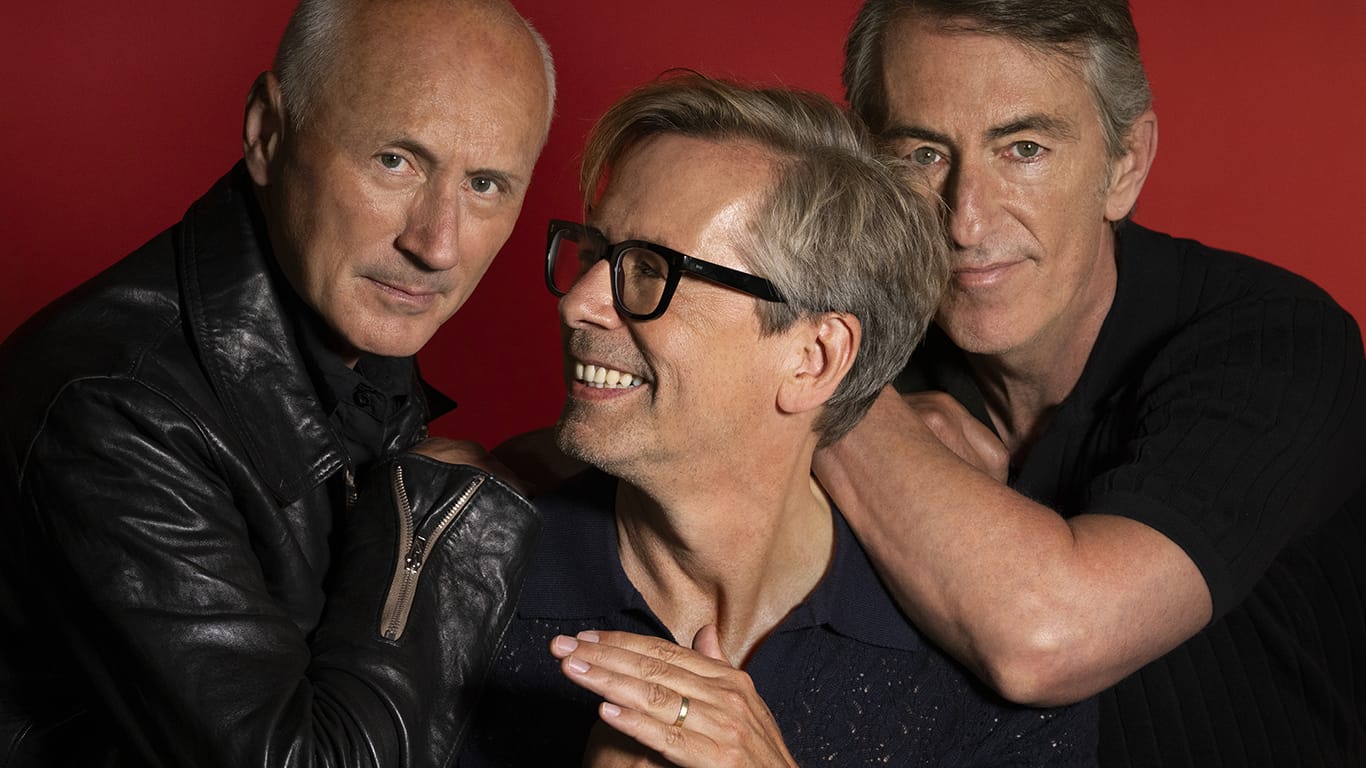
When Haircut 100 steps onto Wild Horse Pass’ stage on Sunday, Sept. 20, alongside Squeeze and Adam Ant, it won’t be a reunion engineered by nostalgia or industry strategy.
It will be three musicians — Nick Heyward, Graham Jones and Les Nemes — finally living a dream.
Squeeze, one of Haircut 100’s heroes, once asked the band to open for them. Haircut 100 immediately said yes. But their own success arrived so quickly — “Top of the Pops” appearances, hit singles, a whirlwind debut album — that they ended up headlining their own tour instead.
The support slot never happened.
Forty-five years later, they’re finally getting the opportunity.
“It goes to show it’s never too late,” Heyward said with a laugh.
LATEST NEWS: 20 best U.S. cities for retirement includes 2 from Arizona
LEARN MORE: Arizona earns 19 Michelin Guide selections in inaugural Southwest Guide
The band that fell apart quietly
Haircut 100’s original run was short. Four UK Top 10 hits, a platinum debut album, “Pelican West,” and a sound that blended bright funk, pop and optimism made them instantly recognizable. They were young and unprepared for whirlwind success.
That pressure took a toll. Heyward, barely out of his teens, felt what would now be called “imposter syndrome.” He described it as being “frozen,” unable to step into opportunities he desperately wanted because he didn’t believe he deserved them.
You know, it wasn’t called anything before, so you just felt like, why have I got this commentator in my head saying at the same time that something really good is happening. There’s a somebody trying to self-sabotage you. So now I’m just able to recognize that voice in the head as a an old friend, an old sabotaging friends who just you just like go. Oh, they’re nearly negative. Just like bless them, you know. Go and have a pint of beer and go and go somewhere else. You know,
“You look cool, but I wasn’t,” he said. “It was like a rabbit frozen in the headlights.”
The band didn’t implode; it unraveled — and stayed that way for decades.
The show that changed everything
In 2004, more than 20 years after their split, Haircut 100 — with Heyward — reunited for the VH1 show “Bands Reunited.” They performed “Love Plus One” and “Fantastic Day,” then went radio silent again.
The next spark came in 2009, when the members reconnected through Facebook. Two years later, Heyward invited Jones and Nemes to perform “Pelican West” in its entirety. The show was recorded and released as a live CD.
Momentum built slowly. In 2023, the band unveiled a Super Deluxe four‑CD reissue of “Pelican West.” To promote it — mostly for fun — they performed a cover of Harry Styles’ “As It Was” for BBC Radio 2’s Piano Room. That appearance led to a tour with ABC and Howard Jones, where Haircut 100 debuted its new single “The Unloving Plum.”
In May 2026, Haircut 100 released “Boxing the Compass,” their first new album in 40 years.
Haircut 100 2.0 wasn’t a comeback; it was a next chapter.
The energy that never left
Heyward said fans should expect the same spark that powered their early 1980s hits “Favourite Shirts,” “Love Plus One” and “Fantastic Day.”
“Performances seem to be eternal moments,” he said. “There is no way you can hang back on ‘Favourite Shirts’ — ever.”
That energy is still there, even if the band can’t physically leap around the stage the way they once did.
“Even if you’re not able to deliver it physically, you are delivering it mentally,” Heyward said, laughing. “Mind, body and spirit are given their 100%.”
The Chandler show arrives just months after the release of “Boxing the Compass,” the band’s follow‑up to “Pelican West and its first album with Heyward since 1982.
Their first new song in more than 40 years, “The Unloving Plum,” came together quickly: Nemes building a bassline, Cunningham locking into a Stax‑inflected groove, and Heyward feeling the same creative electricity that shaped their earliest work.
“You feel the energy of the live performance,” he said. “You can’t do Haircut 100 with a drum machine.”
What makes Haircut 100’s return compelling isn’t nostalgia. It’s the emotional clarity behind it. Heyward speaks openly about the self‑sabotage that once held him back — the voice in his head that told him he wasn’t worthy of opportunities, even when they came from heroes like Andy Partridge of XTC.
But he also speaks about letting that voice go.
“There’s nothing to achieve really,” he says now. “We have a genuine friendship, we’re having a great time, we love the audience, and we’re absolutely thankful and grateful for all of this.”