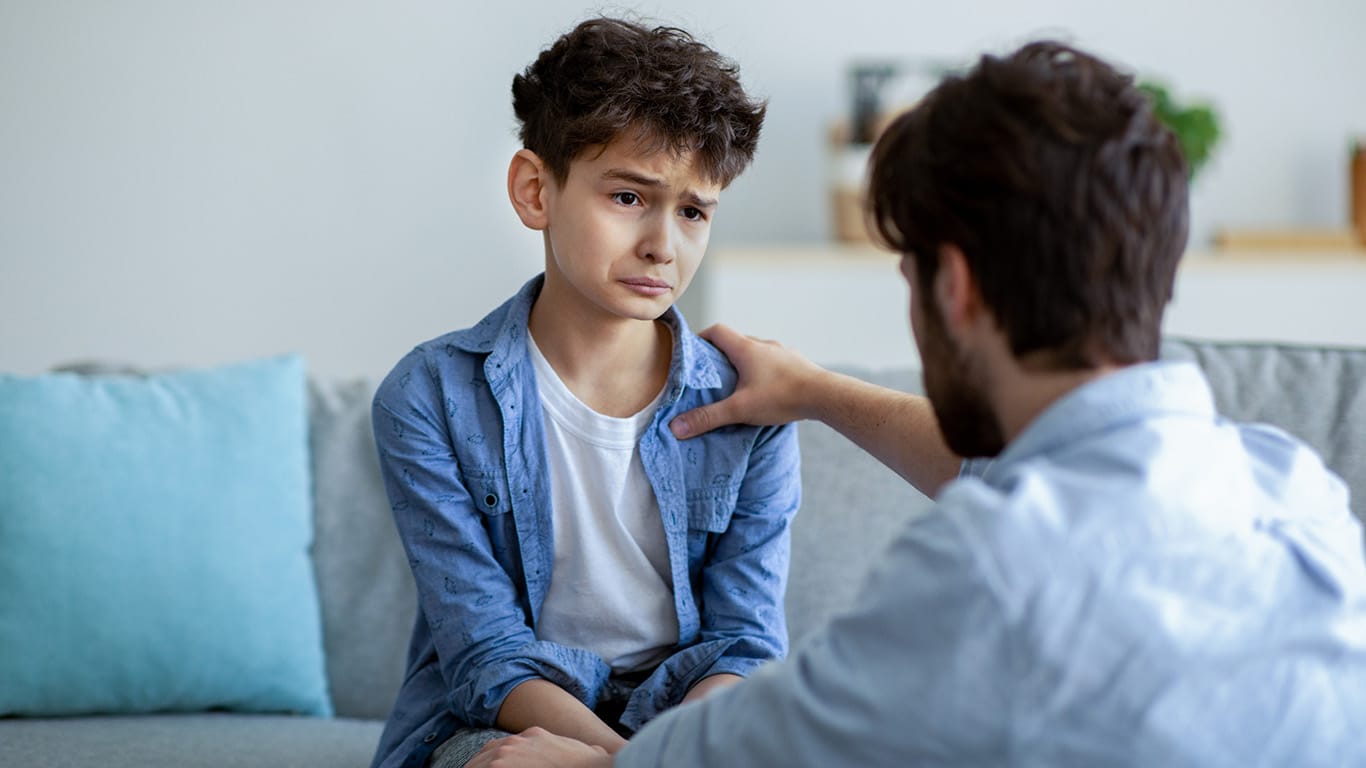
When someone is diagnosed with cancer, the impact reaches far beyond the person receiving care. Routines shift. Conversations change. Family roles may suddenly feel unfamiliar. For children and teens, those changes can be confusing long before anyone explains what is happening.
They may hear hushed conversations, notice more appointments, see a loved one resting more often, or sense that adults are worried. For Arizona families, where loved ones may travel between rural communities, Flagstaff, Phoenix, treatment centers, schools and work, the disruption can feel even greater.
Children notice more than adults often realize
Adults naturally want to protect children by saying as little as possible, but when children sense something is wrong and do not have accurate information, they often fill in the gaps with worries of their own. Honest, age-appropriate conversations can help children feel safer and less alone.
A young child may only need to hear, “Grandpa has an illness called cancer. Doctors are giving him medicine to help.” A school-age child may need reassurance that cancer is not contagious and was not caused by anything they said, did, or thought. A teen may want more direct information about treatment, side effects, family changes, and available support.
DEEPER DIVE: Here are Arizona’s Most Admired Companies of 2026
Children process cancer differently at every age
Young children often focus on visible changes: hair loss, fatigue, hospital visits, or a parent who cannot participate in activities the same way. School-age children tend to ask practical questions such as, “Who will take me to school?” or “Can we still go to my game?” Teens may search online, become more reserved, ask direct questions, have emotional outbursts, rebel, or take on more responsibilities at home.
These responses are often a child’s way of making sense of uncertainty while still needing structure, honesty, and permission to simply be a child.
Emotional struggles do not always look like sadness
Because children rarely say, “I’m scared,” adults should pay attention to behavioral changes. Younger children may become clingy, have trouble sleeping, complain of stomachaches or headaches, or return to earlier behaviors. Older children and teens may become irritable, withdrawn, distracted at school, unusually responsible, or overwhelmed.
Some children hide their fears because they do not want to burden the adults they love. Others express their distress through anger or frustration. When these changes persist or begin interfering with daily life, additional support can be helpful.
The first conversation does not need to have all the answers
Many parents worry about saying the wrong thing. One perfect conversation is not the goal. Smaller conversations over time are often easier for children to understand and process.
Use the word “cancer,” share information in simple language, and be honest about what you know and what you do not know. It is okay to say, “I don’t know yet, but I will let you know when we learn more.”
Children often feel reassured by concrete information. Statements such as, “Mom will have treatment on Tuesdays, so your aunt will pick you up from practice,” help reduce uncertainty and build a sense of predictability.
Just as importantly, leave room for questions and feelings. Some children ask questions immediately. Others bring them up at bedtime, in the car, or weeks later. Remind them there is no right or wrong way to feel and that all questions are welcome.
Connection with peers can be incredibly powerful.
Many children and teens affected by cancer feel isolated because their friends do not fully understand what they are experiencing. When they meet others who have a parent, caregiver, grandparent, or loved one with cancer, they discover they are not alone.
Connecting with peers who share similar experiences helps normalize emotions, build coping skills, and create a sense of belonging during a difficult time.
Families across Arizona have access to free support.
Cancer Support Community Arizona (CSCAZ) provides free emotional and social support for people impacted by cancer, including patients, survivors, caregivers, loved ones, children, teens, and families. Through locations in Central and Northern Arizona, including Flagstaff and virtual programming, support is available regardless of where a family receives treatment.
CSCAZ’s Youth, Teen and Family Program offers support groups, educational programs, family activities, healthy lifestyle classes, and opportunities for connection with others navigating similar experiences. These programs help children and teens feel seen, heard and supported while giving parents and caregivers additional tools to navigate difficult conversations and family changes.
Cancer affects more than the person diagnosed. It touches the entire family. By creating space for honest conversations, recognizing signs that a child may be struggling and connecting families with supportive communities, we can help ensure that no child or teen faces the cancer journey alone.
Author: Mary Hald is Clinical Programs Director at Cancer Support Community Arizona (CSCAZ).