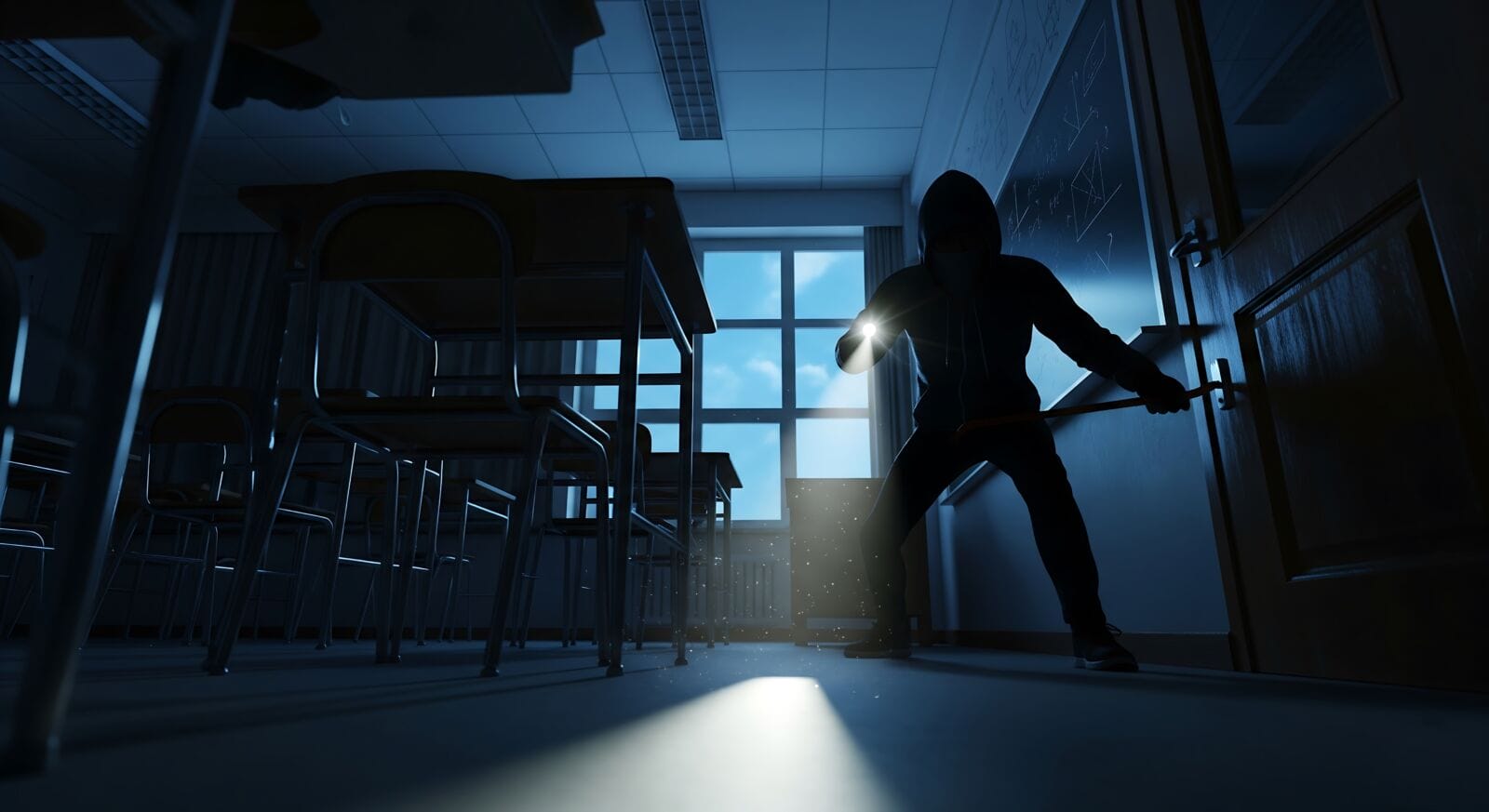
Your home is your family’s first line of defense. At night, that responsibility is even bigger. A dark yard hides strangers. An unlocked window creates an easy entry point for an intruder. Good security helps you deal with those weak spots. That way, no one gets in when they decide to test them.
The mission: keep your family safe and make your home a harder target. With the right equipment, you can protect your home from burglars. Here are seven investments to make your home ready for a late-night intruder.
1. Heavy-Duty Locks
A flimsy lock makes a solid front door an easy entry point. Burglars look for the path that takes the least effort. A heavy-duty lock gives your door a stronger barrier. Look for a quality deadbolt. Ideally, one with a long throw. And perhaps a sturdy strike plate. Attach the strike plate securely to the door frame with long screws. It should hold up when someone puts force against the door.
Check every exterior door. Including the one leading into your garage. Replace worn locks that stick or feel loose. Test each deadbolt after installation. You want the lock to engage fully every time. A stronger locking setup gives doors extra resistance when your family’s asleep.
2. Smart Home Security System
A basic alarm makes noise when something goes wrong. A home security system gives you real information about what happened. Modern systems connect door and window sensors, alarms, and phone alerts. Some integrate with smart locks, too. That gives you a better view of what’s happening at night.
Start with the entry points a burglar would most likely test. Add sensors to exterior doors and windows. Set phone alerts for unexpected activity. Make sure everyone in the household knows how the system works. Test it regularly so you know the alerts still reach your phone. A system like that gives you an earlier warning when something’s out of place.
3. Outdoor Lighting Along Entry Points
Dark corners give intruders chances to approach the house with less visibility. Good lighting takes away that cover. Focus on areas around doors, gates, and pathways. Motion-activated lights work especially well. They switch on when someone approaches. That sudden burst of light can startle them. It also draws attention to activity outside.
Look at your home from the street. Find areas that disappear into deep shadows. Add fixtures where needed. Then, angle them toward likely approaches. You want your property to stay visible when everyone inside has gone to bed.
4. Cameras Around Key Areas
A camera is more useful when it covers a place someone actually needs to approach. Position security cameras near the front door. Maybe the driveway. Basically, put them up near vulnerable areas. A video doorbell can also let you see who’s outside before opening the door. Many models include two-way audio. So, you can speak to someone at the entrance through your phone.
Choose locations that give the camera a clear view. Keep the lens free from branches that could block it. Check the night vision, too. You want usable footage even after sunset. Cameras let you see what’s happening around your property ‘round the clock. That visibility helps you decide how to respond when something’s amiss.
5. A Firearm for Home Defense
A firearm requires serious thought before it becomes part of a home-defense plan. Choose a gun that feels comfortable in your hands. Make sure you can operate it safely. Take a reputable firearm safety course to build good habits. Keep the firearm secured when it’s not in use. Especially if kids could access it.
You’ll also need the right ammo. Ammo to Go’s 12 gauge offer is a great choice. A 12-gauge is often chosen for home defense because each shot can cover a wider area than a handgun. That’s useful during a frightening, fast-moving situation when hitting a threat can be difficult. It can also make it a serious deterrent for intruders.
6. A Safe for Gun Storage
Loose guns and ammo create an unnecessary security problem within the home. It leaves cartridges accessible to kids. A dedicated safe gives you a controlled place to store it. Look for a sturdy model with a reliable locking mechanism. Then, place it somewhere dry.
Keep ammunition in its original packaging. Separate it from household items. Check the safe occasionally to make sure the lock still works. Good storage limits access to people who should never handle the gun.
7. Garage Door Reinforcement
Your garage provides a direct route into the house. An older garage door may have weak hardware. Someone who gets through it could then reach an interior door that leads to your living space. Reinforcing this area closes off that weak link.
Check the garage door’s locks and hardware. Replace damaged parts. Consider a stronger locking system, too. Secure the interior door with a deadbolt. These upgrades make the garage a much less convenient route into your home.
Conclusion
A well-prepared home gives your family extra protection when the street goes quiet. Outdoor lighting brightens dark approaches. Cameras keep watch all night. Strong locks make entry harder. A firearm adds another layer of protection for households that want one for home defense. So, upgrade the areas that need attention. Make your house the one an intruder wishes they had skipped.