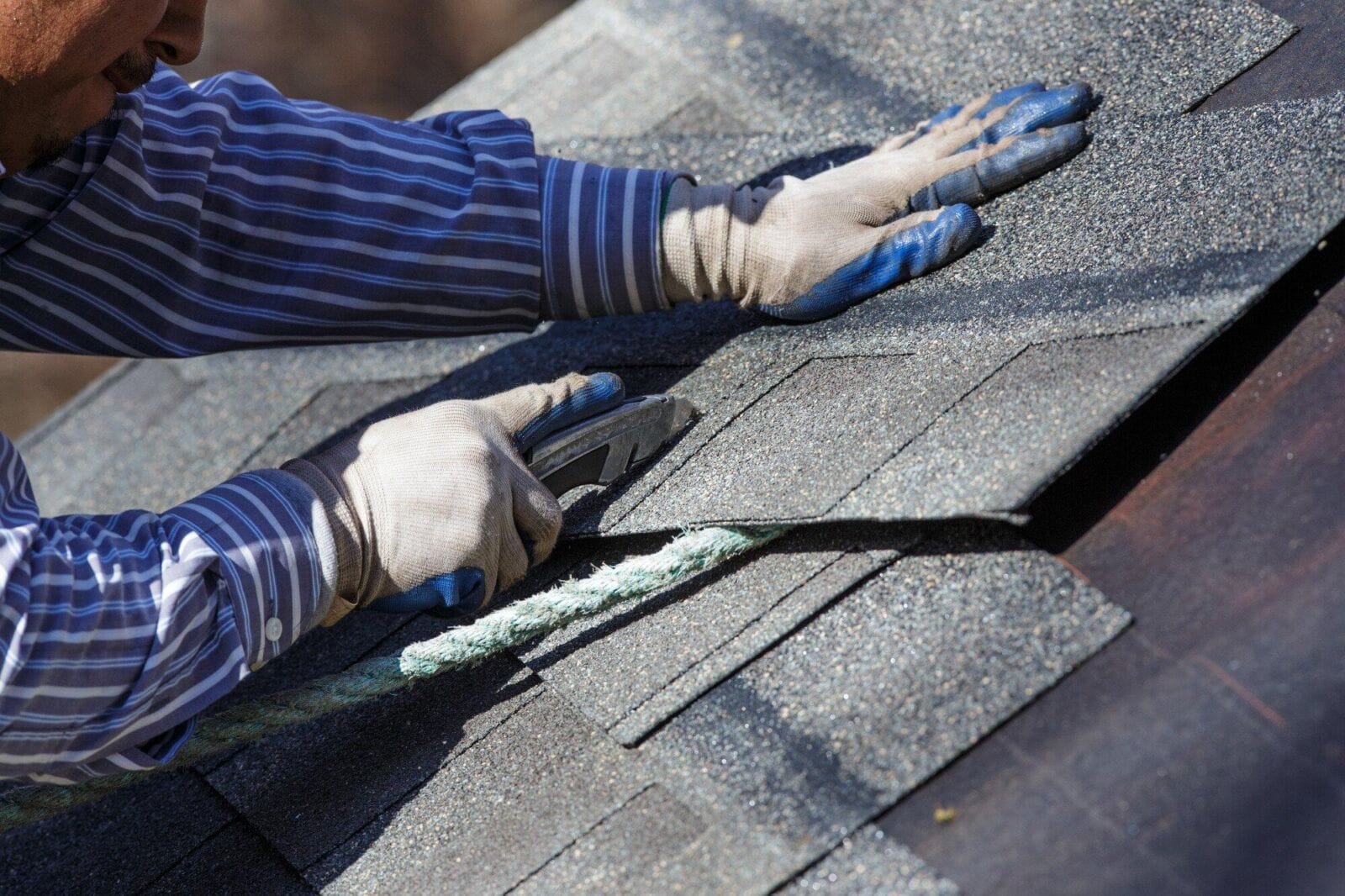
A roof works quietly in the background, yet it handles constant exposure to sun, rain, and wind. Over time, even small surface issues can turn into noticeable damage. Shingles play a key role in keeping everything sealed and stable. When problems appear, replacement often helps restore balance without major disruption.
Cracked or Curling Shingles
Cracked or curling shingles often signal age or weather stress. These issues can appear after long sun exposure or sudden temperature shifts. Damaged edges may allow moisture to reach lower layers. Services from providers such as Three Mountain Roofing can help address these issues through proper shingle replacement.
Replacement helps restore a uniform layer across the roof. New shingles can seal gaps and improve resistance to weather. This step aids in protecting the underlayment and structure. It may help improve durability in changing conditions.
Missing Shingles After Storms
Strong winds and heavy rain can remove shingles from key areas. Gaps left behind expose the roof deck to moisture and debris. This can lead to leaks or surface damage if left unchecked. Early action helps reduce risk.
New shingles can cover exposed sections and restore coverage. This helps with water control and surface stability. A full check after storms can identify weak spots. Quick repair may help improve roof performance.
Leaks and Moisture Spots
Leaks often show as stains on ceilings or walls. These signs may point to shingle damage or worn seals. Moisture can spread if the source is not addressed. This may affect insulation and indoor comfort.
Signs to Watch
Certain signs can help detect roof leaks early:
- Dark spots on ceilings
- Peeling paint near corners
- Damp attic insulation
- Musty odor in upper rooms
Shingle replacement helps seal entry points and limit water spread. This step aids in restoring protection across the roof. It may help improve indoor conditions.
Granule Loss on Rooftop
Granules protect shingles from the sun and harsh weather over time. These small particles form a protective layer that helps reduce direct exposure. As years pass, granules may wear off and often collect in gutters or near downspouts. This reduces the roof’s ability to reflect heat and can leave shingles more exposed.
Loss of granules can also speed up surface wear and reduce overall durability. Replacing affected shingles helps restore this protective layer and improve coverage. New materials can handle sun and weather exposure with better consistency. This step supports heat control, strengthens the surface, and helps maintain a uniform roof appearance.
Uneven Roof Appearance
An uneven roof surface can signal deeper issues. Shingles may lift, shift, or sag due to wear or poor support. This can affect both function and visual appeal. It may also point to hidden damage.
Replacing worn sections can improve both form and function. A smooth surface helps with water flow and drainage. This reduces the chance of pooling or seepage. It may help improve long-term stability.
Mold and Algae Growth
Mold and algae can form in damp or shaded areas. These growths may leave dark streaks on shingles. Over time, they can affect surface strength and appearance. This may lead to further wear.
New roofing panels can reduce the chance of future growth. Modern materials often include protective features. This helps limit moisture retention on the surface. It also supports a cleaner roof look.
As seen in projects handled by premium companies such as Three Mountain Roofing, shingle replacement can address common roof issues with practical results. From leaks to surface wear, each problem connects to overall roof health. Timely repair helps maintain the structure and reduce future concerns. A steady approach to care can keep the roof in good condition for years.