Desert homeowners are adopting specialized thermal window treatments to shield interior rooms from extreme solar heat while maintaining soft natural ambient light.
Living across the arid American Southwest means watching your air conditioning system battle brutal summer heat spikes day after day. Scorching solar radiation pours through expansive glass panes, turning open living spaces into thermal traps and pushing utility bills higher.
Managing your home’s thermal envelope demands smart architectural thinking paired with modern interior shielding. Integrating advanced shading products creates a dependable boundary that stabilizes indoor temperatures while preserving the diffuse daylight you enjoy.
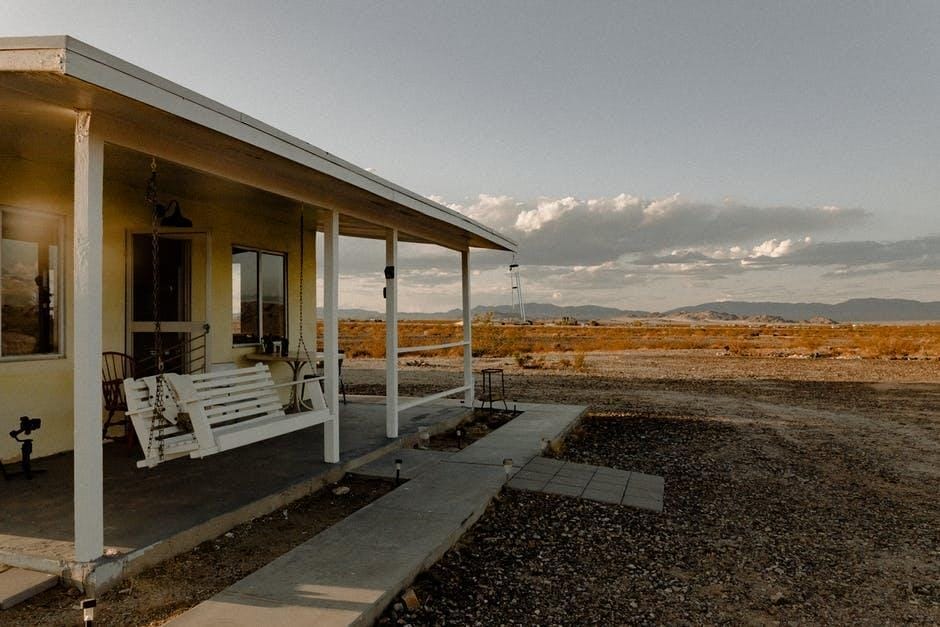
What Makes Cellular Engineering Stop Radiant Solar Gain?
Trapping dead air within distinct geometric pockets creates a reliable buffer against outdoor thermal spikes. When evaluating how different designs protect your interior living zones, the benefits of honeycomb shades become apparent because multiple stacked cells stop heat transfer dead in its tracks. Your air conditioner no longer needs to combat intense radiant hotspots near floor-to-ceiling glass installations.
How Cellular Shades Improve Window Insulation and Energy Efficiency
Data compiled by Alluring Window indicates that single-cell fabric barriers typically deliver ratings between R-4.00 and R-4.55, whereas double-cell formats raise thermal resistance up to R-4.76. This added thermal protection acts like wall insulation applied straight across your window glazing. The cellular structure holds air motionless, breaking convective loops that would otherwise transfer warmth from hot window panes directly into your cooled living area.
Why Does Arid Solar Radiation Overwhelm Standard Envelopes?
Desert sunshine brings intense ultraviolet and shortwave infrared radiation straight toward your exterior walls. While insulated drywall blocks a substantial portion of this ambient energy, standard window glass behaves like an open doorway for radiant heat. As sunbeams penetrate clear panes, interior materials absorb the shortwave radiation and convert it into longwave heat.
Your cooling system bears the brunt of this thermal transfer. In typical southwestern layouts, oversized glass installations force compressors to cycle throughout the afternoon. Standard double-pane units slow down conductive heat transfer, but they fail to stop radiant energy from striking your floors.
How Do Passive Cooling Principles Shield Your Living Space?
Historic southwestern dwellings utilized clever geometry and dense materials to resist extreme outdoor conditions. Builders relied on heavy adobe, clay tile, and rammed earth to absorb midday warmth and discharge it slowly during cooler desert evenings. Modern desert architecture adapts these foundational principles by pairing thermal mass with strategic orientation, positioning smaller openings toward intense exposures while shading larger apertures.
According to research published by the U.S. EPA, reflective architectural surfaces can lower peak residential cooling demands by 11 to 27%, while reducing indoor temperatures by up to 5.9 degrees Fahrenheit in unconditioned structures. You can capture comparable thermal relief indoors by deploying reflective, insulating layers over your glass openings. Blocking solar rays before they strike interior air masses preserves indoor stability and minimizes the workload on your central air system.
How Do You Balance Midday Sun Defense With Open Mountain Views?
Homeowners choose desert regions for wide horizons, dramatic sunsets, and rugged mountain silhouettes. Traditional shading approaches force you to choose between living in a dark cave or enduring blinding glare and uncomfortable heat. Installing dynamic window treatments resolves this conflict by giving you targeted control over your sightlines and solar exposure.
Top-down, bottom-up cellular systems give you complete freedom to position your shades exactly where you need them. You can lower the top portion several feet to draw soft, glare-free skylight deep into your living room and keep the bottom portion closed to block radiant reflections bouncing off patios or desert sand.
Evaluating Exterior Overhangs Against Interior Thermal Barriers
Architectural overhangs provide valuable shading when the sun rides high in the sky during summer middays. Deep roof eaves and covered porches prevent direct vertical rays from striking your glass panes between 11 AM and 1 PM. Their effectiveness drops once the afternoon sun begins its downward trajectory toward the horizon.
Low-angle sunlight slips underneath deep eaves, striking west-facing windows with concentrated force. Interior thermal barriers pick up where structural rooflines fall short, providing an adjustable line of defense that you can adapt as the sun moves.
- Block low-angle rays: Lower your shades during late afternoon hours when horizontal sunlight bypasses exterior eaves.
- Stop conductive warming: Prevent glass that absorbs ambient heat from warming your indoor air.
- Preserve architectural styling: Maintain clean exterior lines without adding bulky structural awnings or heavy metal rolling shutters.
- Control interior acoustics: Soften harsh echoes across large open-concept rooms featuring tile or polished concrete floors.
Why Do Traditional Slatted Blinds Fail in Extreme Climates?
Standard horizontal blinds constructed from wood, faux wood, or aluminum provide basic privacy, but they offer minimal resistance against extreme desert climates. Solid blind slats lack internal insulation cavities, meaning heat passes straight through the materials. Aluminum slats act as thermal conductors, heating up like small radiators and transferring exterior warmth straight into your living room.
Gaps between horizontal slats present an even greater vulnerability. Thermal energy slips easily around blind louvers, establishing continuous convective currents that pull hot air along the glass and disperse it across your ceiling. Seamless cellular shades fit tightly against window frames, creating an unbroken seal that holds conditioned air inside and keeps extreme thermal spikes safely outside.
Optimize Your Daily Window Management Routine
Automating your window treatments or establishing regular adjustment habits prevents heat from entering your home in the first place. Pairing your shading schedule with the sun’s trajectory maximizes both comfort and energy efficiency. You keep morning rooms bright and inviting while securing western exposures before afternoon temperatures peak.
- Seal eastern glass at dawn: Lower shades on east-facing bedrooms before direct sunlight warms the glass.
- Drop southern exposures by noon: Shield southern glazing as the sun reaches its highest thermal intensity.
- Lock down western elevations early: Close western cellular shades by 1 PM to resist punishing late-day rays.
- Automate motorized controls: Program smart timers to raise and lower treatments based on local peak temperature hours.
Calculate the Value of Whole-Home Temperature Control
Investing in high-performance window coverings yields measurable financial dividends for southwestern homeowners. The most immediate impact appears on your monthly electricity bill, where reducing solar gain translates into fewer compressor run hours. During intense summer heatwaves, running your cooling system even 15% less saves hundreds of dollars across a single season.
Lowering system workload prolongs the operational lifespan of your HVAC equipment. Desert air conditioners operate under severe mechanical strain, and reducing compressor run cycles protects components from premature burnout. High-performance shading prevents expensive interior damage by blocking destructive ultraviolet rays that fade leather sofas, warp hardwood flooring, and bleach valuable artwork.

Specialized interior thermal barriers reduce cooling burdens during triple-digit summer afternoons, letting your air conditioning cycle naturally. By pairing structural envelope intelligence with engineered cellular window designs, you protect your living spaces against relentless solar gain.