Key Highlights
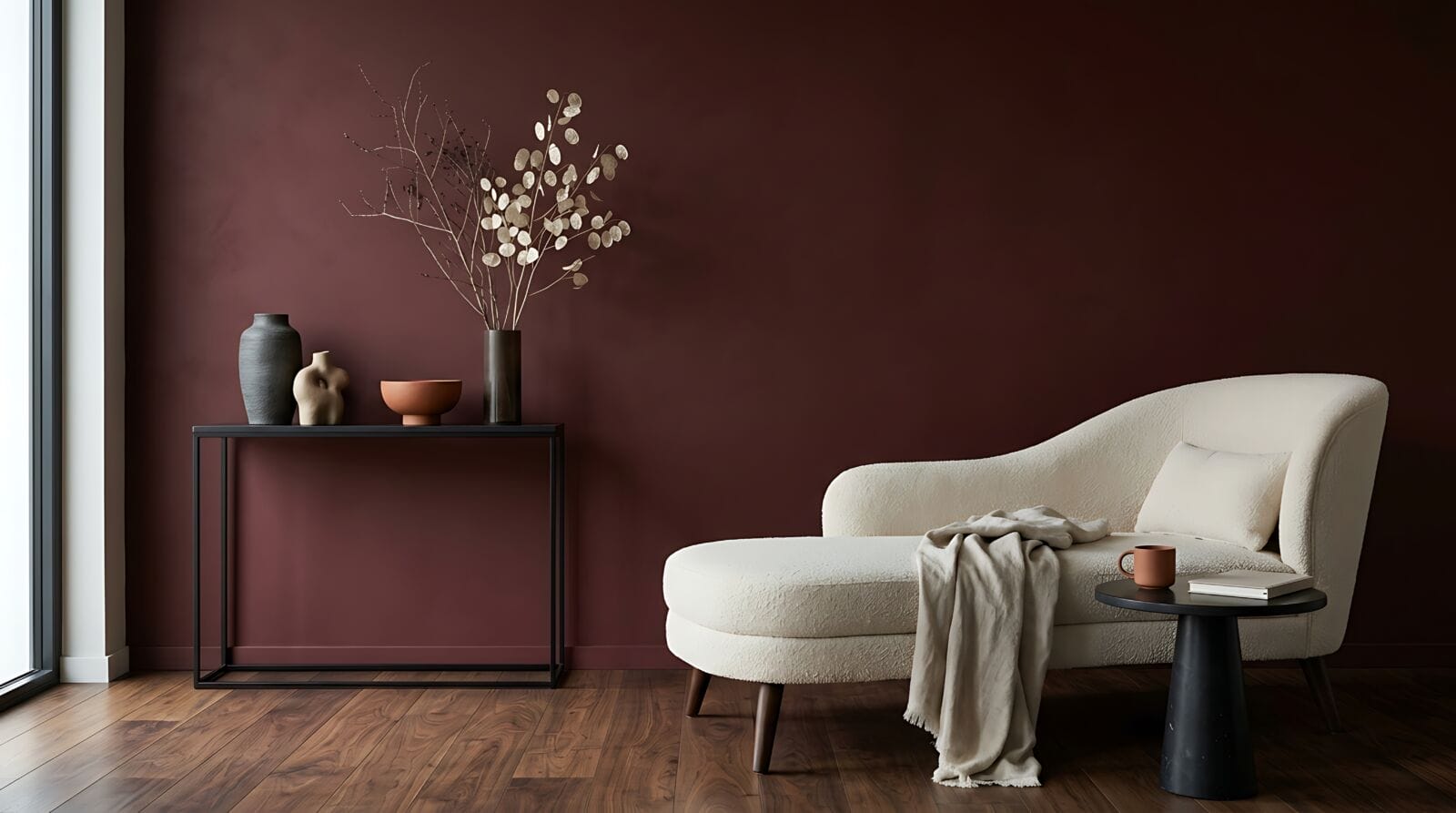
- A chaise lounge is a piece of furniture with an extended seat built for relaxation.
- It differs from a standard sofa because one section supports your legs.
- Popular options include standalone shapes, a chaise sofa, and a sectional sofa with a chaise end.
- Size, traffic flow, and room layout matter before you buy.
- The right style can improve comfort and add clear visual style to your living room.
Introduction
A chaise lounge can change the way your living room looks and works. This is not just any piece of furniture. The chaise gives you a spot to stretch out, read a book, or watch TV. You do not need a separate ottoman because you can put your feet up right on the lounge. If you want to get one for your living space, it is good to know about different styles, sizes, and how the chaise will fit in your room before you bring it home.
What are Chaise Lounges?

Chaise lounges are long chairs or sofas with an extended seat for stretching out your legs. The term comes from the French “chaise longue,” meaning “long chair.” In English, both “chaise longue” and “chaise lounge” refer to the same furniture.
Unlike standard sofas with separate seats for upright sitting, a chaise lounge offers a single, extended place to sit or lie down. It differs from a recliner, which has moving parts and adjusts positions, while a chaise lounge stays fixed. This design provides its signature relaxing feel.
Popular Styles of Chaise Lounges in Australia
In Australia, you can find the chaise longue in many shapes. Some stand alone as a long chair, while others look like a sofa with one long side to stretch out. Some have a sectional layout, with the chaise on the left or the right side.
This range is important because style is more than just about decor. It affects how the chaise fits in your living area, the space you get to move around, and whether you want your room to feel full of elegance or more up to date.
Classic Designs and Their Appeal
Classic styles often draw inspiration from the French chaise longue, featuring shaped backrests, higher sides, or a soft armchair-like feel for lounging.
This style adds a touch of luxury to everyday spaces and can serve as a focal point in a quiet seating area, standing out rather than blending into larger sectionals.
Material choice affects comfort and durability. Leather is durable and easy to clean—ideal for high-traffic rooms. Fabric offers more warmth and softness if comfort is your priority.
Modern and Contemporary Chaise Styles
Modern chaise lounges are simple and functional, making them perfect for a clean look. Their minimal design features straight edges or gently sloped backs, keeping spaces open and airy. These versatile pieces can serve as accents or complement sectional sofas, offering flexible seating in family rooms. Some have built-in storage or adjustable backs for extra comfort. Ideal for small apartments, they save space without cluttering it. Upholstery options like velvet add warmth, while leather is modern and easy to clean—great for busy homes. High-quality leather gains character over time. Adding throws or decorative pillows boosts comfort and allows for seasonal changes. Whether used as a reading nook or extra seating, modern chaise lounges combine style and practicality.
Choosing the Right Size for Your Space
Before you pick a chaise lounge, look at the available space in your room. It is not just about whether you can fit it by the wall. You need to make sure it is a perfect fit for your room layout and the way you use the space every day.
A chaise can change the seating capacity and the overall shape of your seating area. An extra-long side can be good for comfort, but if the chaise lounge is the wrong size, it may block the way people go. That is why you need to measure your space first, before you choose the colour or fabric.
Measuring for Small Living Rooms or Apartments
Yes, a chaise can work in small spaces if it fits the room. In apartments or compact homes, the main issue is that a chaise may block walkways.
To find the right spot, outline its shape on the floor and see if you can move around easily. This helps ensure there’s enough space for doors and daily movement.
- Measure the full depth of the chaise, not just the width.
- Make sure upright seats remain usable next to it.
- Leave clear paths by doors for traffic flow.
- Test your layout before buying.
Sizing a Chaise for Larger Areas and Sectional Setups
In larger rooms, a chaise works well as part of a sectional sofa. It provides one person with an extended seat while keeping space open for others. However, size matters—a large chaise should anchor the room without obstructing walkways.
| Setup | What to check |
| Sofa with chaise | Does the extended section block access to other areas? |
| Sectional sofa | Does the chaise align with the main traffic flow? |
| Reversible option | Can you change the chaise orientation later? |
| Fixed chaise | Will its position work if you rearrange the room in the future? |
Practical Layouts with Chaise Lounges
A chaise lounge works well when the room layout supports it. The long shape should make seating feel natural and easy, not strange. So, you need to think about how people move, what they can see, and how they like to sit.
Good layout helps you have both comfort and functionality. You want space to stretch out on the chaise, but you also need upright seating close by for guests, talking to people, or everyday living. The next two parts tell you where a chaise lounge will fit best.
Best Layouts for Living Rooms, Studies, and Reading Nooks
A chaise lounge is a versatile addition to any living room, study, or reading nook. It offers a comfortable spot to relax without needing a separate footrest.
In a study or home office, it creates a cosy retreat away from your desk. In the living room, place it near the TV or by a window—it can even serve as the room’s focal point.
- Position in a well-lit reading nook.
- Use in a study for quiet breaks.
- Angle in the living room toward the main feature.
- Keep surrounding space clear and inviting.
Integrating a Chaise Lounge with Existing Furniture
Consider your existing furniture, not just the chaise. Adding a chaise changes your living room’s layout, so make sure your coffee table, rug, and walkways still fit.
If you already have a sofa, decide if a standalone chaise will overcrowd the space. Often, a sofa with a built-in chaise is a better choice than adding a separate piece.
Some chaises offer features like reclining or storage, but don’t rely on labels alone. Always check the product description, size, and orientation before buying—especially from retailers like Adriatic in Australia.
Conclusion
In summary, a chaise lounge is both stylish and practical, enhancing comfort and appearance in any room. Understanding its styles and sizes helps you choose the perfect fit for your space—whether creating a cosy reading nook or making it a focal point in your living room. Explore different options to find what suits you best. If you need help, request a free consultation.
Frequently Asked Questions
What are the different styles of chaise lounges available on the market?
Chaise lounges come in various styles, including classic, modern, and contemporary designs. Popular choices often reflect personal taste and interior décor, with options like tufted upholstery or sleek lines. Understanding these styles helps you select the perfect chaise for your space.
How do I choose the right size chaise lounge for my space?
To choose the right size chaise lounge, first measure your space to ensure a good fit. Consider traffic flow and functionality, balancing comfort with aesthetics. Assess how the lounge integrates with existing furniture and allows for movement within the room.
What layout options are best for incorporating a chaise lounge into my living area?
To effectively incorporate a chaise lounge into your living area, consider layouts that allow for easy movement and balance. Place it near a focal point, such as a fireplace or large window, and arrange complementary furniture to create harmony and functionality in the space.