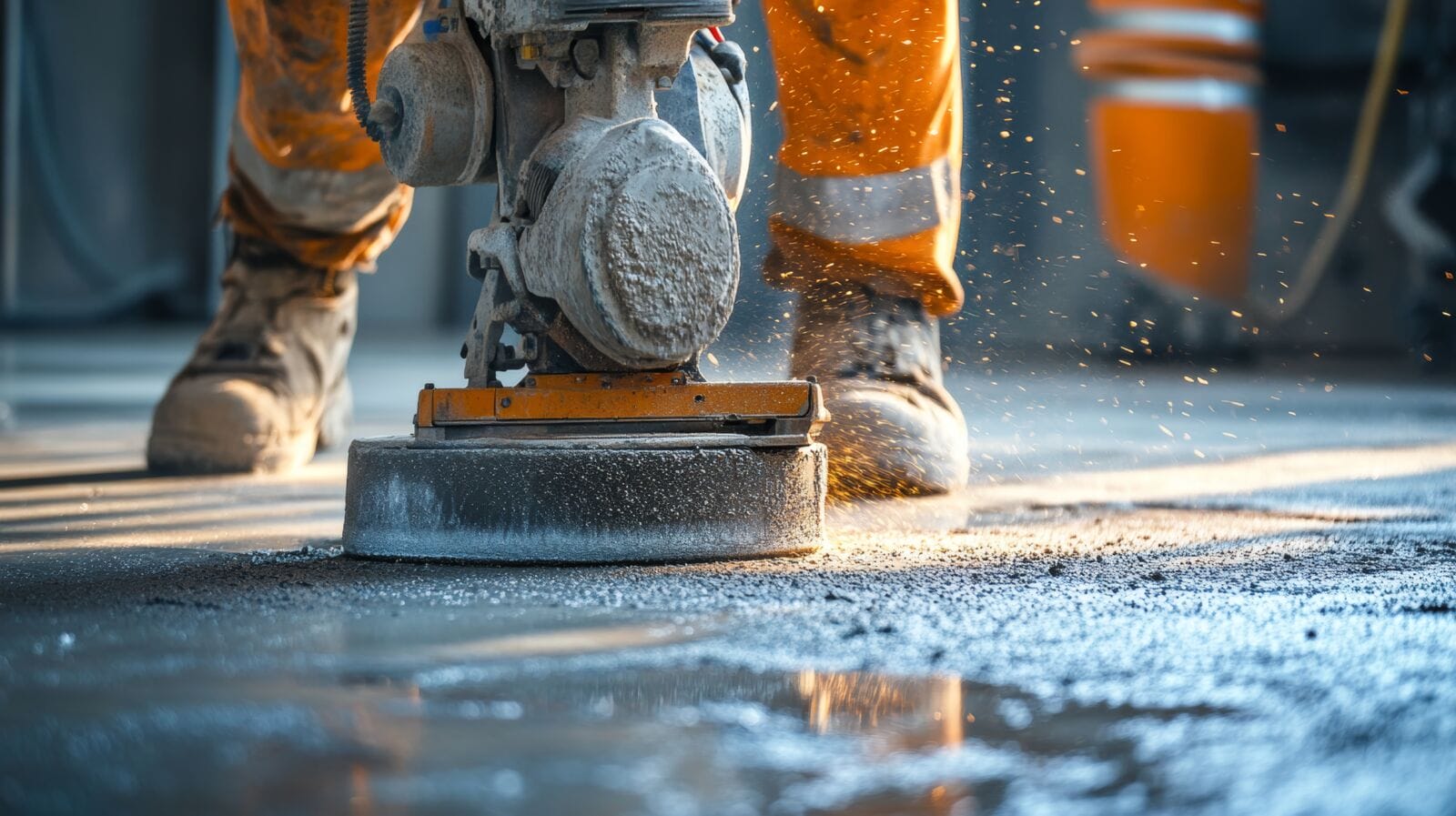
Most floor preparation jobs need a thorough plan combined with precise floor preparation equipment that makes sure the surface is completely flat and clean. In these cases, using heavy-duty tools, such as floor scabblers, creates a rough and bonded surface for new toppings. This blog shares the key considerations to help you make your floor preparation safe, effective, and most importantly, successful.
Assessing the Hardness of the Concrete
The age and strength of the slab will determine the amount of impact that is needed to create the finish that you want. Check if the concrete is of high strength, since that will demand some tungsten carbide cutters if you intend to make a mark on the surface. If you use a light tool on a hard surface, you will not make significant progress, and the equipment you use will be under excessive strain and wear.
Defining the Desired Surface Profile
You may want to consider whether you require a light texture for a thin coating or a deep, aggressive profile for a thick cementitious screed. Always remember that a reliable scabbler creates a way more rugged surface than a simple grinder because of its hammering action. Knowing the end goal helps in determining which type of head or bit is most suitable for the texture you are aiming to achieve.
Evaluating the Total Work Area Size
If there is a large area, a bigger machine is preferable, as it will save time in large open warehouse floors. However, larger machines are more challenging to operate in tight corners. For less space, a smaller scabbler will reach areas that are otherwise inaccessible to larger units. But if you consider your room layout when planning your equipment mix, keep working at a speed throughout your entire shift.
Considering Dust Control and Ventilation
Heavy surface preparation creates a significant amount of fine dust that can be hazardous to your health and messy for the surrounding environment. Look for equipment that features built-in vacuum ports or shrouds that can be connected to a high-powered dust extractor. If you are working in an enclosed space, ensuring that your machine has an effective way to contain particles is vital for your safety.
Checking Power Supply Availability
Heavy-duty flooring tools often require a substantial amount of electricity or compressed air to function at their maximum capacity. Verify if your site has access to the correct voltage or if you will need to hire a portable generator or a large air compressor. Don’t forget that using an insufficient power source can cause the motor to overheat or lead to inconsistent performance during the scabbling process.
Monitoring Noise and Vibration Levels
Operating heavy machinery generates high levels of noise and physical vibration that can affect both the operator and people in nearby rooms. Plan your work schedule to avoid sensitive times, and always ensure that you are wearing the correct ear and hand protection. Some modern machines are designed with vibration-dampening handles to reduce the strain on your arms during long periods of use.
Reviewing the Thickness of the Coating
Floor Scabbler Hire removes old resin or thick paint; the depth of that material will determine how many passes you need to make. You should test a small area first to see how easily the machine chips away at the bond between the coating and the concrete. Take note that if the material is particularly gummy or soft, it might clog the cutters, requiring a different approach or a more aggressive bit style.
A Final Word on Floor Preparation
Taking the time to consider these factors before you hire a floor scabbler will make your renovation project more manageable and professional. By matching the tool to the hardness of your concrete and the size of your space, you ensure a high-quality finish that is ready for any new topping. Approach your floor prep with the right knowledge and equipment, and you set the stage for a durable result that lasts.