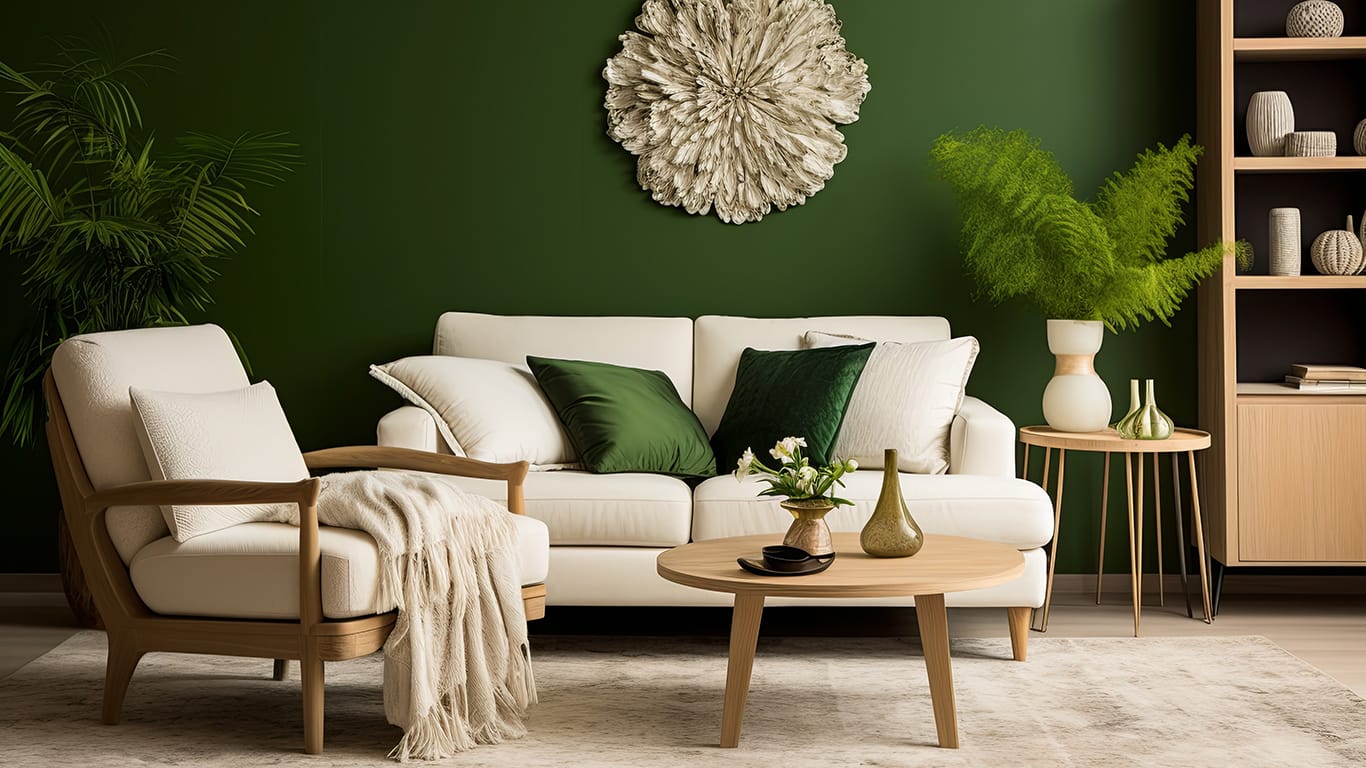
Creating a cohesive home does not necessarily mean every room has to look identical. Instead, a well-styled home feels balanced, connected, and intentional from one space to the next. Thoughtful interior design choices can help rooms flow naturally while still allowing each area to have its own personality and purpose.
Whether decorating a new property or refreshing an existing interior, focusing on consistency, texture, and layout can significantly enhance the home’s overall atmosphere.
Choose a Consistent Color Palette
One of the simplest ways to create a more cohesive interior is by using a consistent color palette throughout the home. This does not mean every wall or piece of furniture needs to match perfectly, but repeating similar tones and complementary shades helps rooms feel visually connected.
Neutral base colors paired with a few accent tones often work well because they create flexibility while still maintaining harmony between spaces. Earthy colors, warm neutrals, soft greens, and muted blues are all popular choices for creating calm and inviting interiors. Using recurring colors through cushions, artwork, curtains, and decorative accessories can also help tie different rooms together naturally.
Layer Textures for a Balanced Look
Texture is an important part of home styling because it adds warmth and depth to interiors. Rooms that rely too heavily on one material or finish can sometimes feel flat or unfinished. Combining softer textiles with natural materials such as wood, linen, wool, glass, and metal creates a more balanced appearance. Throws, cushions, upholstered furniture, and woven accessories all contribute to a layered and comfortable atmosphere. Texture also helps larger spaces feel more inviting while giving smaller rooms additional character.
Use Rugs to Define Spaces
Rugs are one of the most effective tools for creating cohesion within a home. They help anchor furniture arrangements, define zones within open-plan layouts, and introduce color or pattern in a controlled way. Many homeowners now browse rugs online to find styles that suit both modern and traditional interiors while making it easier to compare colors, sizes, and textures from home. Carefully chosen rugs can help connect separate areas of the house while also adding warmth and comfort underfoot.
Keep Decorative Styles Consistent
Mixing design styles can work beautifully when done intentionally, but too many competing influences can sometimes make a home feel disjointed. Choosing a general design direction helps maintain consistency throughout the property. Whether the home leans toward modern, rustic, traditional, minimalist, or eclectic styling, repeating certain design features across rooms helps create continuity. This might include similar finishes, recurring materials, matching hardware, or coordinated decorative accents. Consistency creates a sense of flow while still allowing individual spaces to feel unique.
Mix Statement Pieces With Simpler Décor
A cohesive interior does not mean every item in a room needs to compete for attention. In many cases, choosing one or two statement pieces and balancing them with simpler décor creates a far more polished and visually balanced space. Statement lighting, bold artwork, patterned chairs, or textured rugs can all become focal points within a room. Keeping surrounding furniture and accessories more understated helps these features stand out naturally without making the space feel overwhelming. This approach also makes it easier to refresh interiors over time without needing to completely redesign the room.
Creating a More Connected Home
A cohesive home is created through thoughtful design decisions rather than strict decorating rules. Consistent colors, layered textures, balanced layouts, and carefully chosen accessories all contribute to a space that feels comfortable and visually connected. Small styling adjustments can make a surprisingly large difference to the atmosphere of a home.