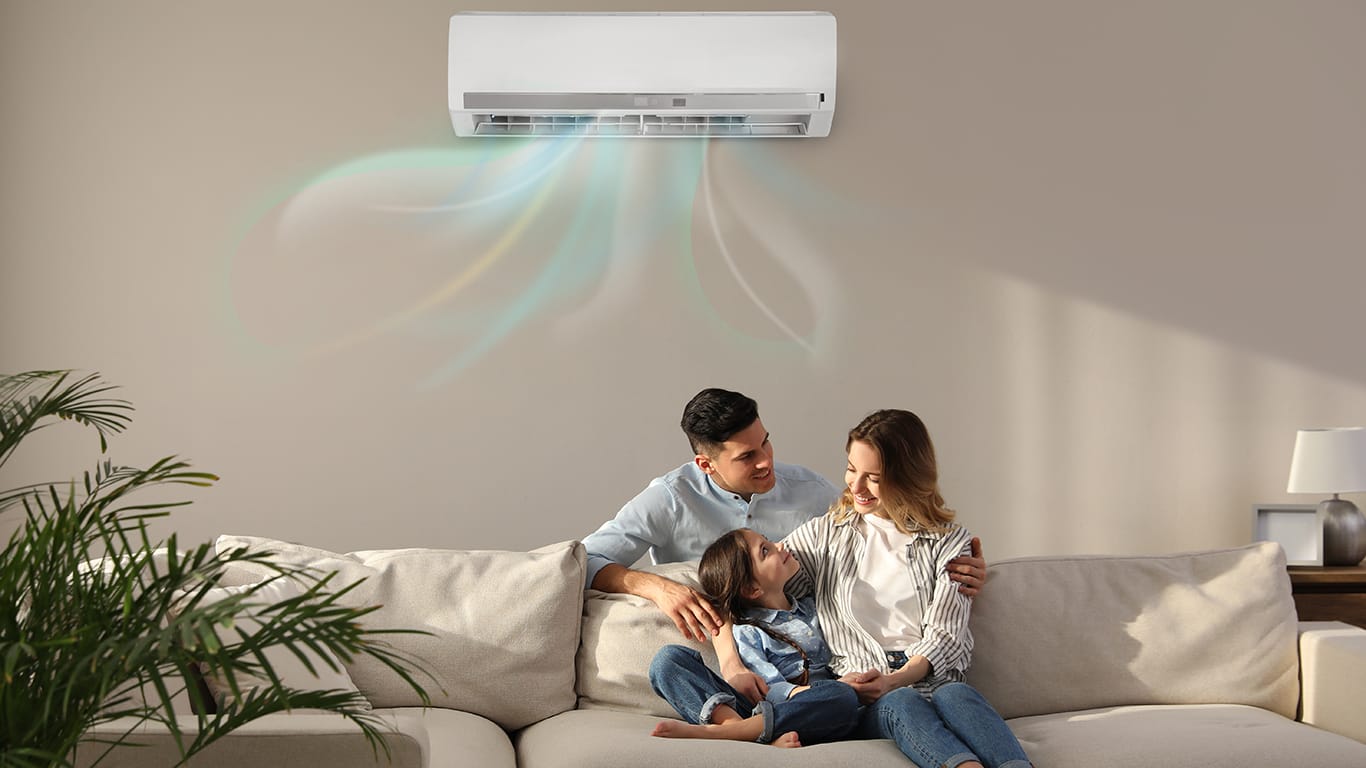
Indoor comfort is more than temperature; it rests on steady airflow, stable moisture, and clean filtration. An experienced contractor keeps those pieces aligned through scheduled checks, careful calibration, and practical coaching for daily habits. Missouri’s sharp swings in heat and cold strain components, so a small drift can become a sudden outage. Consistent service also supports well-being by easing nighttime overheating, reducing throat irritation from dry air, and limiting allergen buildup.
The Value of a Local Partner
Seasonal appointments reduce emergency calls and curb efficiency losses that drive up utility bills. Quick access also matters when a blower fails or a furnace refuses ignition. Homeowners seeking an HVAC contractor Chesterfield often want grounded guidance, filter fit, airflow balance, humidity targets, plus repairs for worn motors, valves, or sensors. Reliable follow-through keeps comfort steady without repeated stopgap fixes.
Seasonal Stress Points
Summer stresses moisture removal during long-run cycles, while winter demands safe ignition and stable heat output. Mild months bring frequent starts and stops that expose weak relays or failing capacitors. Contractors plan visits around those patterns, testing performance before peak demand arrives. Warning signs usually appear first, rattling, uneven rooms, short cycling, or a musty odor tied to damp coils.
Maintenance That Protects Comfort
A true tune-up goes beyond a glance at the thermostat. Technicians clear debris, confirm airflow, verify control response, and check temperature rise for safe operation. Fan settings influence mixing, which affects hot spots and cold drafts. Clean transfer surfaces reduce strain on motors and compressors. Overnight stability often improves when equipment holds a narrower temperature band instead of swinging sharply.
DEEPER DIVE: Abandoned North Phoenix project gets new life as $190 million sports complex
INDUSTRY INSIGHTS: Want more news like this? Get our free newsletter here
Filter Strategy That Fits the Equipment
Filters protect coils and blower assemblies, yet overly dense media can choke airflow on certain setups. A contractor matches resistance level to system capacity and household needs, pets, smoke exposure, and construction dust. Change timing also matters, because a loaded filter raises static pressure and increases wear. A simple reminder routine prevents that gradual decline and keeps air movement consistent.
Airflow and Duct Health
Many comfort complaints trace back to ducts, not the equipment cabinet. Leaks, crushed runs, blocked returns, and poor balancing can leave rooms stale and uneven. Contractors measure pressure and look for imbalances that reduce fresh circulation. Corrections may include sealing joints, restoring disconnected segments, or adjusting dampers where present. Better distribution supports clearer breathing during closed-window months.
Humidity Control for Better Breathing
Moisture level shapes how air feels on skin and in airways. Excess humidity can encourage mold growth and dust mite activity, while very dry air can aggravate nasal tissue and trigger nighttime coughing. Contractors inspect drainage, coil condition, and settings that affect moisture removal. If added control is needed, they recommend properly sized humidifiers or dehumidifiers, then verify performance after setup.
Repair Decisions Based on Data
Sound repairs start with measurements rather than guesses. Technicians review electrical readings, safety switch behavior, temperature change across the coil, and airflow indicators. Those results guide whether a part replacement is sensible or whether repeated failures point to a larger upgrade. Clear numbers help households plan costs and avoid stressful decisions during extreme heat or freezing nights.
Replacement Planning That Avoids Oversizing
New equipment performs best when sizing reflects the home’s heating and cooling load. Oversized units cycle too often, leaving indoor air clammy and temperatures uneven. Contractors use load calculations, confirm duct capacity, and discuss efficiency choices in plain language. A correctly sized system can lower noise, improve dehumidification, and reduce frequent cycling that disrupts sleep and irritates sensitive airways.
Service Access and Accountability
Extreme weather exposes how important response time can be, yet day-to-day reliability depends on consistent workmanship. A well-run contractor sets clear expectations for scheduling, communication, and follow-up after a repair. Households benefit from written documentation, tested operation before departure, and guidance on what symptoms should trigger a call. That structure supports calm decision-making and steadier comfort throughout the year.
Conclusion
Year-round reliability comes from planned maintenance, careful diagnostics, and thoughtful replacement timing. Contractors protect comfort by managing airflow, filtration, and humidity, factors tied to sleep quality, airway irritation, and perceived fatigue. Households do best with a seasonal routine, plus decisions based on measured performance rather than hunches. With steady oversight, heating and cooling equipment can stay dependable through Missouri’s abrupt shifts in temperature.