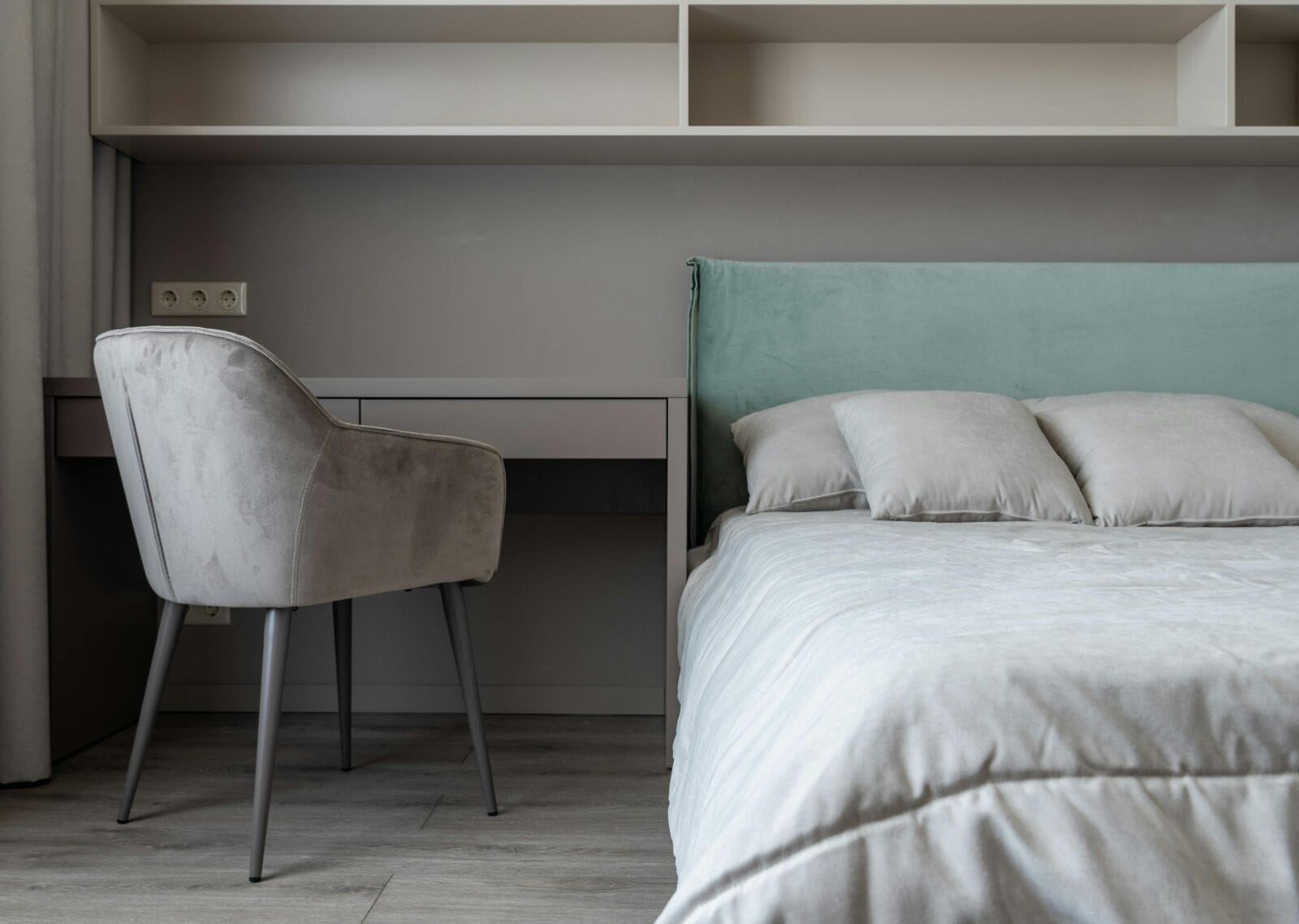
Bedrooms used to revolve around appearance first. Matching furniture sets, oversized headboards, decorative benches, and crowded shelves were considered signs of a well-designed space, even if the room itself never felt particularly relaxing at night. Many homeowners are moving away from that approach now because people want bedrooms supporting actual rest instead of functioning like display rooms filled with unnecessary visual activity.
That change becomes obvious once people start noticing how lighting, furniture placement, noise, airflow, and clutter affect sleep every single night. A room can look expensive and still feel mentally exhausting after a long day. Bright overhead lights, bulky furniture, poor mattress support, and constant background noise quietly create discomfort that people carry into bedtime routines without realizing it immediately.
Mattress Centered Design
Mattress selection has become one of the biggest starting points in modern bedroom planning because homeowners now think about sleep comfort before decorative styling decisions. People are no longer buying random mattresses simply because they fit the frame or match a price range. Sleeping position, body support, cooling materials, and nighttime comfort now influence how the entire bedroom gets arranged around the bed itself.
Interest in personalized comfort explains why many shoppers spend far more time researching mattress options than they did years ago. Different sleep habits require completely different support systems depending on firmness preference, sleeping posture, and temperature comfort during the night. Helix models often become a top choice because homeowners want options connected to specific comfort needs rather than one universal mattress style for everybody. Many people now search for where shoppers can compare Helix models while updating bedrooms around sleep quality and long-term comfort instead of treating the mattress like an afterthought hidden under decorative blankets.
Minimal Bedroom Layouts
Minimal bedroom layouts feel more comfortable for many homeowners because the room stops feeling visually crowded all the time. Large furniture collections, overflowing nightstands, decorative baskets, and extra seating can make bedrooms feel surprisingly restless even during quiet evenings. Walking into a room packed with visual clutter rarely creates the calm atmosphere people actually want before going to sleep.
Simpler layouts create more open movement throughout the room and help bedrooms feel less mentally busy at night. Fewer furniture pieces, cleaner surfaces, and wider walking areas often make the space feel calmer without removing personality completely. Many homeowners eventually realize they use only a fraction of the decorative furniture sitting inside the room anyway.
Noise Reduction Design
Traffic noise, loud appliances, televisions in nearby rooms, creaking floors, and outdoor activity can interrupt relaxation much faster than many homeowners expect. During busy daytime hours, those sounds may barely register, though nighttime makes every little disturbance feel dramatically louder.
Bedrooms centered around comfort often use softer materials, helping reduce unwanted sound naturally. Rugs, upholstered furniture, layered curtains, padded headboards, and fabric textures help absorb noise much better than empty spaces filled with hard surfaces only. Furniture placement matters too because beds positioned beside noisy walls or near loud vents often create unnecessary sleep interruptions.
Bedroom Temperature Control
Temperature control has become much more important in modern bedroom design because homeowners increasingly connect sleep quality with airflow and nighttime comfort. Bedrooms trapping heat or feeling stuffy can make falling asleep frustrating, regardless of how attractive the room looks during the day. Heavy bedding, poor ventilation, warm lighting, and direct afternoon sunlight often create uncomfortable sleeping conditions that people struggle with nightly.
Many homeowners now make practical design choices, helping bedrooms stay cooler and more comfortable after dark. Ceiling fans, breathable fabrics, blackout curtains, insulated windows, and cooling mattress materials all contribute to a room feeling more relaxing at night. Some people even rearrange furniture after realizing the bed sits directly near warm windows or blocked airflow areas.
Sleep-Focused Renovations
Master bedroom renovations are changing because homeowners want spaces that support relaxation instead of overwhelming the senses visually. Huge entertainment centers, harsh overhead lighting, oversized furniture, and decorative overload are becoming less common in many modern remodels. People increasingly want bedrooms to feel quieter, calmer, and physically comfortable once the workday finally ends.
This mindset influences nearly every renovation decision happening inside the room now. Softer lighting replaces overly bright ceiling fixtures, storage becomes less visible, and furniture placement creates a clearer open space around the bed. Some homeowners even redesign closets and connected bathrooms to make nighttime routines feel calmer and less disruptive.
Reducing Mental Distraction
Modern bedroom layouts increasingly avoid design choices that make the room feel mentally busy at night. Bright screens, cluttered furniture arrangements, overflowing shelves, and excessive decorative accents can keep the brain feeling active long after bedtime begins. Some bedrooms accidentally feel more like storage spaces or secondary living rooms instead of places meant for rest and quiet nighttime routines.
Homeowners now prefer calmer environments that support relaxation naturally once the evening starts. Softer lighting, cleaner surfaces, limited electronics, and simpler décor help create a quieter atmosphere without making the room feel empty or lifeless. Bedrooms focused on comfort usually avoid visual overload because too many competing details can leave the space feeling restless instead of peaceful after dark.
Moving Away from Decorative Clutter
Decorative clutter is becoming much less popular in modern bedroom design because people are realizing how crowded spaces affect comfort daily. Large collections of decorative pillows, packed shelving, oversized wall décor, and unnecessary accent furniture often create visual heaviness inside rooms meant for sleep. Even expensive décor can start feeling overwhelming once every surface becomes covered with something purely decorative.
Modern layouts now lean toward cleaner arrangements where furniture serves a practical purpose instead of filling space unnecessarily. Open surfaces, lighter décor choices, and fewer oversized items help bedrooms feel calmer and easier to move through comfortably. Many homeowners eventually discover that removing extra decoration actually makes the room feel warmer and more inviting because the space finally has room to breathe visually.
Storage and Relaxation
Clothes piled on chairs, crowded nightstands, overflowing drawers, and visible clutter can make even attractive bedrooms feel stressful after a long day. Bedrooms often stop feeling relaxing once every corner becomes occupied by loose items without any real organization system keeping the room visually calm.
Hidden storage, cleaner closet systems, under-bed organization, and functional furniture help reduce that daily visual chaos significantly. Homeowners increasingly want storage solutions that keep necessary items accessible without leaving everything visible constantly.
Modern bedroom layouts now revolve around rest, calmness, and practical nighttime comfort instead of decorative excess alone. Mattress selection, storage organization, lighting softness, noise reduction, airflow, and simpler layouts all contribute to creating bedrooms that genuinely feel relaxing at the end of the day.