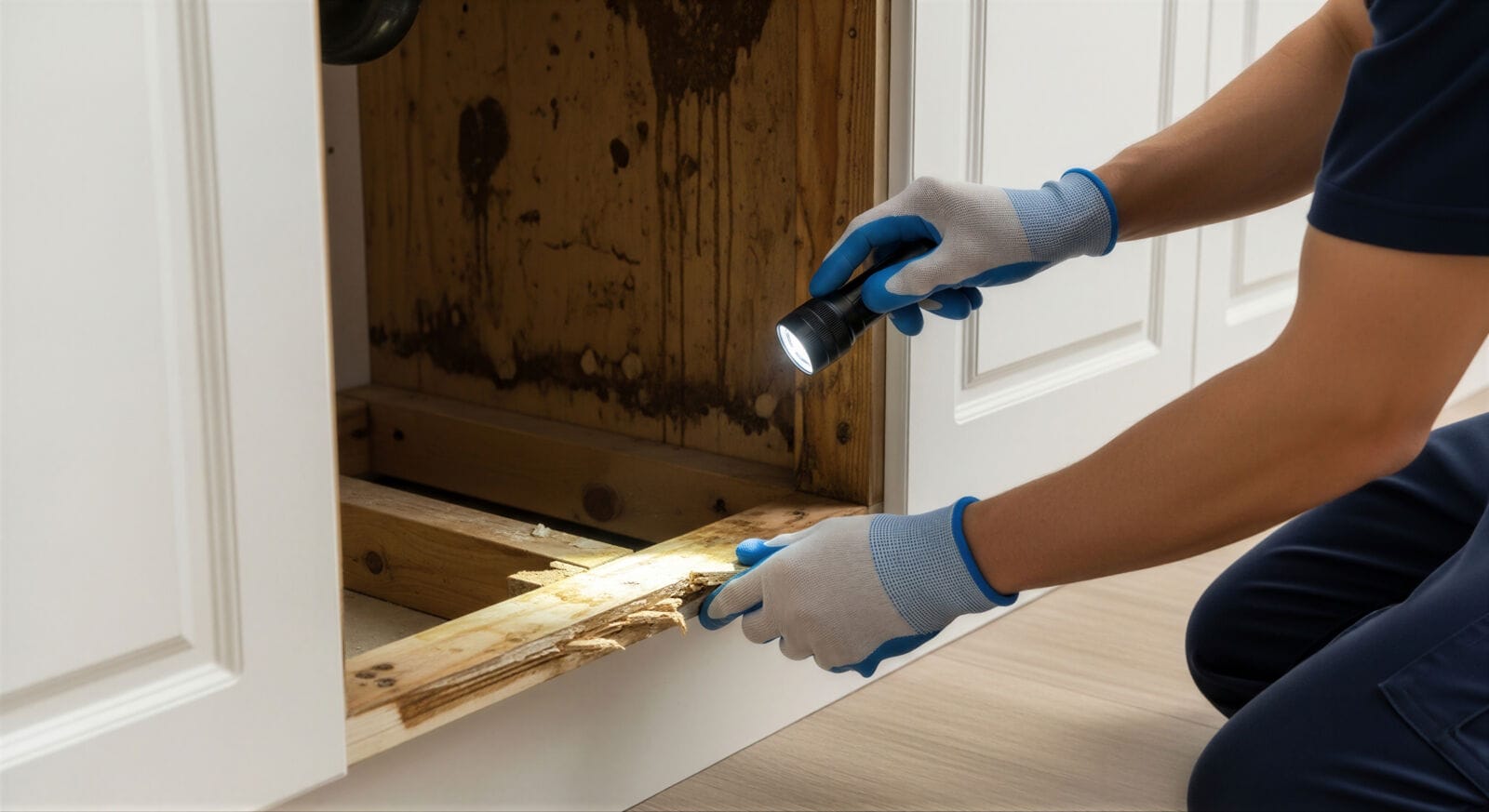
A home represents one of the largest financial investments most people will ever make. Protecting that investment requires more than cosmetic upgrades and routine cleaning because hidden structural threats can reduce both safety and long-term property value. Among these threats, termite activity remains one of the most damaging due to its ability to weaken wooden structures quietly over time.
Many homeowners focus on visible improvements such as landscaping, renovations, or interior design while overlooking the importance of structural protection. Unfortunately, termites often remain hidden behind walls, beneath flooring, and inside support structures until damage becomes extensive. By the time visible warning signs appear, repairs may already require significant time and expense.
This is why preventive property maintenance should always include a strong focus on long-term structural protection. Companies such as Agile Pest Control encourage homeowners to address risks early rather than waiting for serious deterioration to develop. Consistent prevention helps maintain property condition, financial value, and overall confidence in the safety of the home.
Why Structural Integrity Directly Affects Property Value
The structural condition of a property strongly influences how buyers, inspectors, and lenders evaluate a home. Cracked supports, weakened flooring, or damaged framing can immediately raise concerns during inspections and negotiations. Even minor signs of deterioration may reduce buyer confidence and affect market value.
Termites create especially serious concerns because they damage structural wood gradually from the inside outward. This hidden deterioration often spreads unnoticed for years before becoming visible externally. Once discovered, buyers may worry about the extent of unseen damage throughout the property.
Strong structural integrity supports long-term investment stability. Homes that remain well-maintained and free from major structural issues generally perform better in competitive real estate markets. Preventive care protects not only physical safety but also long-term financial security.
How Hidden Damage Develops Over Time
One reason termites create such serious risks is their ability to remain concealed during the early stages of infestation. Colonies often establish themselves in crawl spaces, basements, attics, or wall cavities where activity is difficult to detect. Because outer wood surfaces may appear intact, homeowners frequently overlook the growing damage underneath.
As termites consume cellulose inside wooden structures, they gradually weaken support systems throughout the property. Floor joists, beams, framing components, and subflooring may all become compromised over time. Even small infestations can eventually affect large connected areas when left untreated.
Moisture often accelerates this process. Damp environments weaken wood while attracting termite activity simultaneously, increasing the speed of structural deterioration. Without early intervention, repair costs can rise significantly as damage spreads deeper into the home.
Why Preventive Maintenance Is More Effective Than Repairs
Repairing structural damage after it becomes severe is often far more expensive than preventing infestations early. Replacing support beams, flooring, or damaged framing may require major reconstruction projects that disrupt daily life and strain household budgets. Preventive strategies reduce the likelihood of these large-scale repairs becoming necessary.
Prevention also helps homeowners avoid recurring problems. Simply replacing damaged wood without addressing active infestations or environmental conditions often allows termites to return. Long-term protection depends on removing the causes behind the infestation rather than focusing only on visible damage.
Agile Pest Control frequently emphasizes the value of proactive planning because small preventive measures often produce substantial long-term savings. Regular monitoring, moisture management, and early treatment create stronger protection than repeated repair cycles after infestations spread.
DEEPER DIVE: Ranking Arizona: Top 10 golf courses for 2026
INDUSTRY INSIGHTS: Want more news like this? Get our free newsletter here
Moisture Conditions That Increase Structural Risks
Moisture is one of the most important factors contributing to termite activity around residential properties. Damp wood becomes easier for termites to penetrate and creates conditions that support colony growth. Leaks, poor drainage, and ventilation problems frequently increase these risks indoors.
Basements and crawl spaces are particularly vulnerable because airflow is often limited in these areas. Humidity buildup may go unnoticed for long periods, allowing termites to remain active behind walls and beneath flooring. Plumbing leaks beneath sinks or around foundations can further increase structural vulnerability.
Reducing moisture improves both structural stability and long-term Termite control efforts. Homeowners who maintain proper drainage, repair leaks quickly, and improve ventilation create less favorable conditions for infestation activity. Environmental maintenance plays a major role in protecting structural components over time.
Why Routine Inspections Support Long-Term Stability
Routine inspections help identify early warning signs before structural deterioration becomes severe. Professionals often look for mud tubes, hollow wood, moisture buildup, and subtle changes around foundations or support systems. Detecting these signs early allows homeowners to address issues before costly damage develops.
Inspections also provide valuable documentation regarding the condition of the property. Homeowners who maintain records of preventive maintenance often experience smoother property evaluations and stronger buyer confidence during future sales. This transparency supports both financial value and long-term planning.
Another major benefit of routine monitoring is consistency. Structural issues rarely develop overnight, which means ongoing evaluations are essential for maintaining long-term protection. Preventive oversight helps homeowners respond quickly when small problems begin appearing.
The Financial Benefits of Long-Term Protection
Preventive structural maintenance offers important financial advantages beyond avoiding repairs alone. Properties with strong maintenance histories generally retain higher market value and attract more buyer interest. Buyers often prefer homes with documented protection plans because they suggest responsible ownership and reduced future risk.
Insurance considerations also become important when structural damage develops over time. Some policies may limit coverage if long-term infestations could have been prevented through routine maintenance. Proactive management helps reduce the likelihood of costly disputes related to neglect or delayed action.
Agile Pest Control encourages homeowners to think of prevention as an investment rather than an expense. Protecting structural systems early usually costs far less than rebuilding damaged areas after years of hidden deterioration. Long-term planning creates greater financial stability overall.
Building a More Secure Future for Your Property
Maintaining strong structural integrity requires consistent attention to hidden risks that may not seem urgent initially. Waiting until visible damage appears often leads to higher costs, larger repairs, and greater disruption to daily life. Prevention offers a more reliable path toward long-term stability.
Homeowners who remain proactive can reduce the likelihood of severe infestations and preserve the overall condition of their property for years to come. Small actions such as moisture control, routine inspections, and timely intervention create stronger long-term protection than reactive repairs alone.
With guidance from professionals like Agile Pest Control, homeowners can prioritize Termite control as part of a broader property protection strategy. Preventing structural deterioration before it spreads helps preserve property value, maintain safety, and support long-term investment security well into the future.