Most houses start out as a set of plain rooms, walls, and floors. What turns that structure into a real family home is the way each space supports daily life. A kitchen that makes cooking easy, a living room that invites everyone to gather, and bedrooms that offer real rest all shape how a family feels at the end of the day.
Interior upgrades do not need to be dramatic to make a difference. Small, well-planned changes can solve everyday frustrations, add personality, and help a house work better for the people living in it. With a clear plan and a focus on how each room is used, homeowners can create a space that feels comfortable, looks stylish, and serves the whole family for years.
Starting With the Rooms Your Family Uses Most
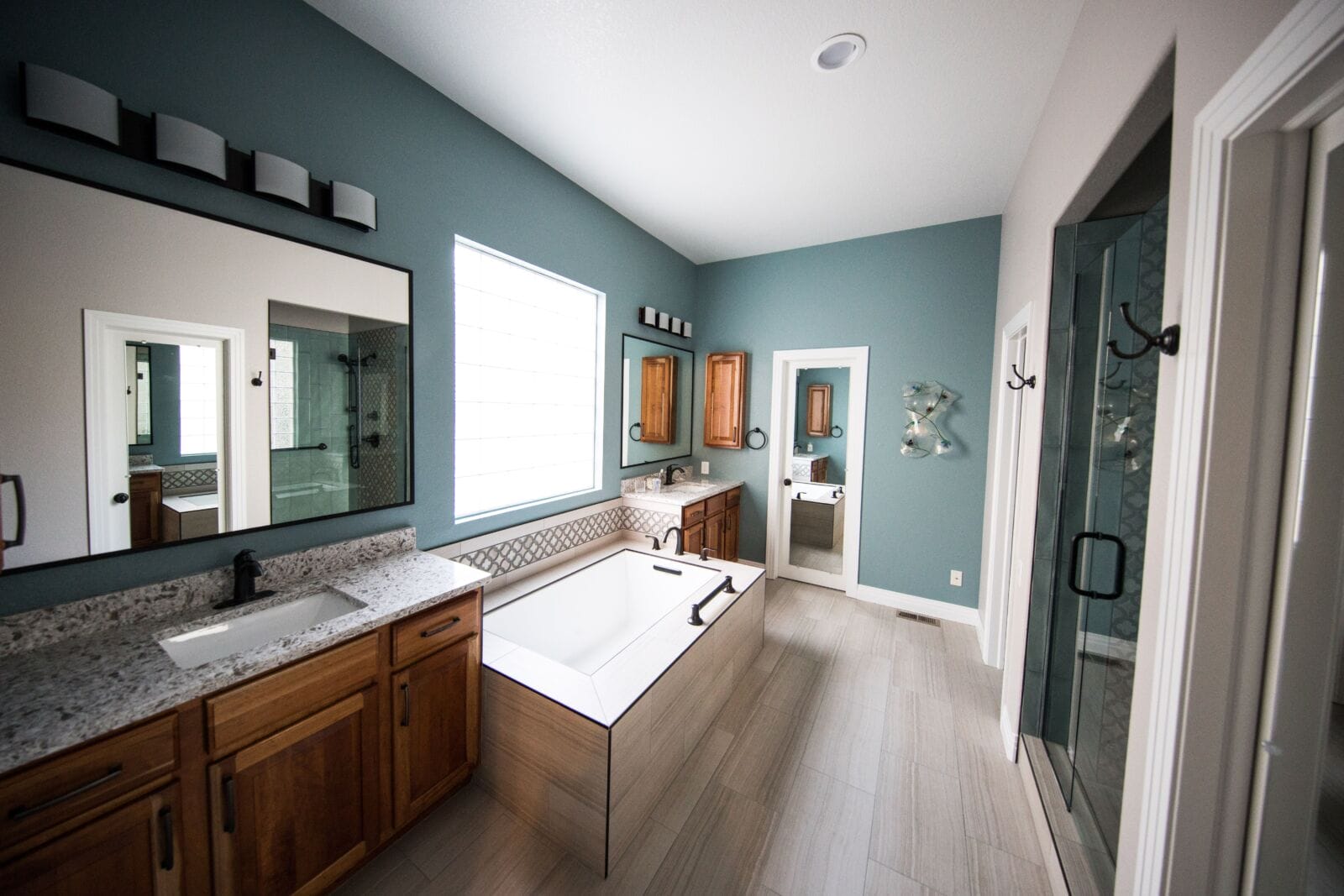
Every household has a few rooms that see constant use from early morning until late at night, and those spaces tend to show wear first. In many homes, the bathroom is one of them, and cramped layouts, worn tubs, and outdated fixtures can make busy mornings stressful for everyone.
Updating this room with the help of specialists in remodeling can bring new comfort, better safety, and a cleaner look without turning the house upside down for weeks. Homeowners ready for that change should get in touch with a bathroom remodeling company that handles new showers, bathtubs, and walk-in tubs designed for easier access. The result is a space that makes the start and end of every day far more pleasant for the entire household.
Planning Upgrades Around Daily Routines
Before choosing colors or furniture, it helps to look closely at how the family actually lives. Notice where people gather, where clutter builds up, and which rooms feel awkward to move through. A hallway that turns into a dumping ground for shoes and bags may need hooks and a bench. A living area where everyone fights for a seat may need a different furniture layout rather than a full makeover.
Writing down these daily pain points creates a simple list of priorities. This approach keeps spending focused on changes that improve life at home, rather than on trends that look nice in photos but do little for comfort.
Creating a Kitchen That Brings Everyone Together
The kitchen is often the true center of a family home. It is where meals are made, homework gets done, and conversations happen. Simple upgrades here can often make a noticeable difference. Better lighting over work surfaces makes cooking safer and easier. Adding a small island or a sturdy table gives children a place to sit while parents prepare food.
Storage matters just as much as style. Pull-out drawers, deep shelves, and well-placed cabinets help keep counters clear. When everything has a home, the kitchen feels calmer and cleaner. Fresh paint, new cabinet handles, or an updated backsplash can then give the room a modern look without a large expense.
Making Living Spaces Comfortable and Welcoming
A living room should invite people to relax. Comfortable seating, soft textiles, and good lighting work together to create that feeling. Layering light with a mix of ceiling fixtures, floor lamps, and table lamps lets the family adjust the mood for movie nights, reading, or visiting with guests.
Furniture placement also shapes how the room feels. Pulling sofas and chairs away from the walls and grouping them around a rug can make conversation easier. Durable fabrics that resist stains are a smart choice for homes with young children or pets.
Designing Bedrooms for Better Rest
Bedrooms deserve careful attention because they affect how well everyone sleeps. Calm wall colors, blackout curtains, and a quality mattress can improve rest more than any decorative item. Keeping electronics and work materials out of the room helps signal that this space is meant for winding down.
Children’s rooms benefit from flexible designs that can grow with them. Neutral walls with colorful bedding and accessories are easy to update as tastes change. Built-in shelves, under-bed drawers, and closet organizers help keep toys and clothes under control, which makes daily cleanup simpler for both kids and parents.
Choosing Flooring and Finishes That Last
Floors and surfaces take a great deal of daily wear in a busy household. Choosing materials that are both attractive and durable saves time and money over the long run. Many families prefer hard flooring options that handle spills, muddy shoes, and pet claws without much trouble. Area rugs can then add warmth and softness where people sit or play.
Finishes such as paint, trim, and hardware also play a large role in the overall look of a home. Coordinating door handles, light fixtures, and cabinet pulls across the house creates a sense of harmony that makes the entire space feel thoughtfully designed.
Adding Safety and Accessibility for Every Generation
A truly functional family home works for people of all ages. Simple safety upgrades can protect young children, older relatives, and everyone in between. Good lighting on stairs and in hallways reduces the risk of trips and falls. Sturdy handrails, slip-resistant surfaces, and secure furniture anchors add peace of mind.
Planning for the future is also wise. Wider doorways, lever-style handles, and easy-to-reach storage can help family members stay comfortable as their needs change over time.
Bringing Personality and Style Into Every Room
Comfort and function come first, but style is what makes a house feel like it truly belongs to the family living there. A consistent color palette helps connect rooms and creates a smooth flow from one space to the next.
Natural light brightens a home and lifts the mood, so keeping windows clear and choosing light window treatments can make rooms feel larger and more open. Over time, these thoughtful choices build a home that reflects the family’s tastes, supports their routines, and remains a place everyone looks forward to returning to each day.