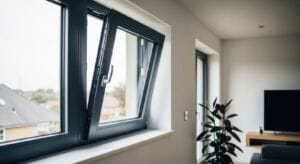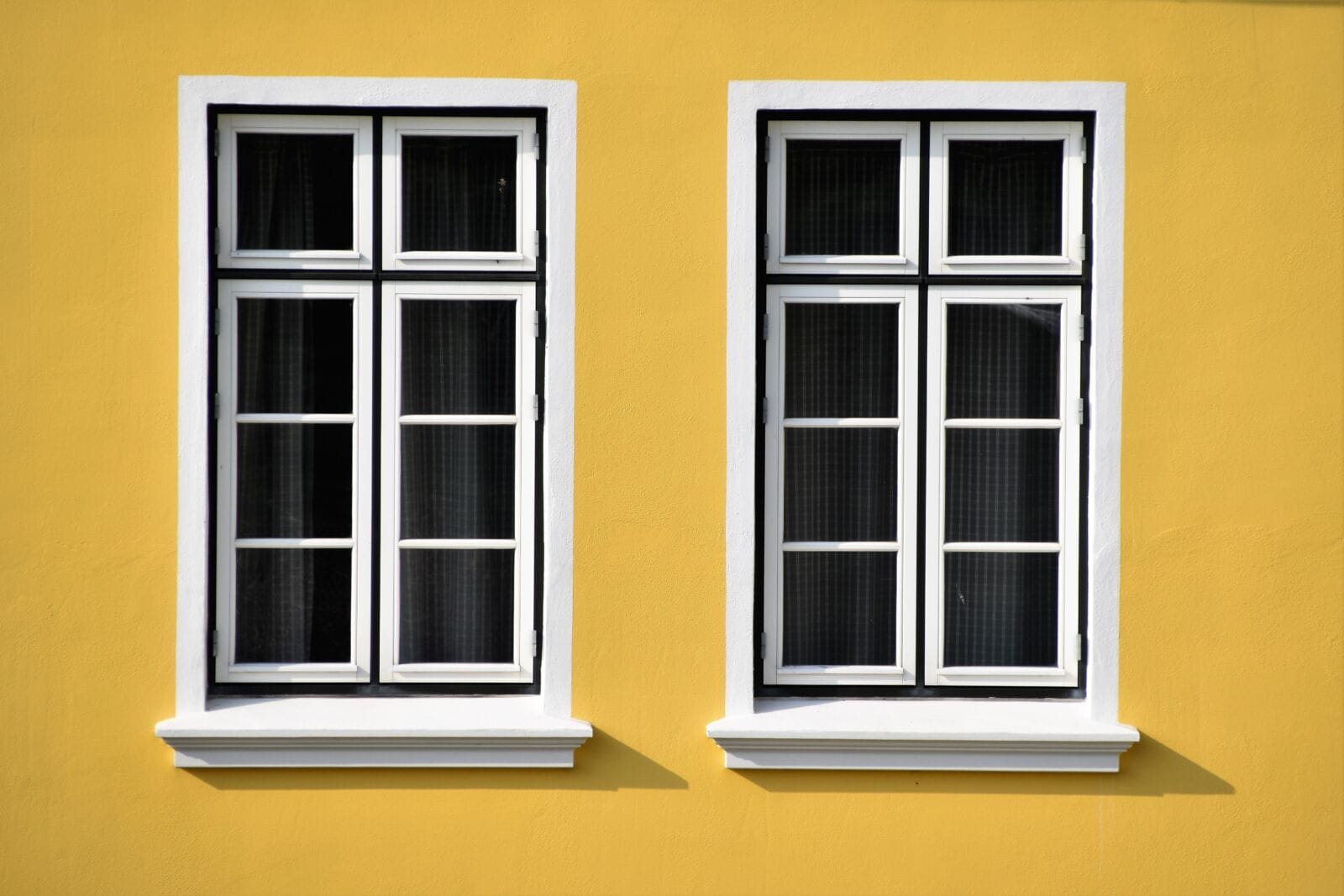
If you live in a warm, storm-prone place like Fort Myers, your windows do more than frame the view. They help manage heat, humidity, rain, and wind pressure that can wear down a home faster than many people expect. When your windows start slipping on performance, the signs often show up in your energy bill, your comfort, and the way your home looks and sounds from the inside.
Storm Protection Matters More Than You May Realize
In hurricane-prone areas, windows are not just decorative glass rectangles. They are part of your home’s protective shell. Older windows may lack the impact resistance and structural performance needed during severe weather. That leaves your home more vulnerable to flying debris, water intrusion, and pressure changes.
If your current windows were installed decades ago, it may be smart to evaluate whether they meet modern standards. Homeowners often focus on the roof first, which makes sense, but windows play a huge role in keeping the building envelope intact.
When comparing options, working with a Fort Myers window replacement company can help you assess products designed for local weather demands, including heat control, storm resilience, and frame durability. That kind of local fit is not a bonus feature. It’s the assignment.
Your Energy Bills Start Telling on Your Windows
One of the first clues shows up on your monthly utility bill. If your cooling costs keep creeping up and your usage habits haven’t changed much, your windows may be leaking treated air. Old seals, warped frames, and thin glass can let heat push inside while your AC works overtime.
You might notice certain rooms getting hot much faster in the afternoon. That’s not just annoying; it’s a sign your windows may no longer insulate well. In places with intense sun and long cooling seasons, that matters more than people think.
Look for these red flags:
– Rising electric bills without a clear cause
– Rooms that feel hotter near windows
– AC running longer than usual
– Drafts even when windows are shut
When your windows act like open invitations to outdoor heat, your HVAC system ends up paying the price.
Drafts, Moisture, and Sticking Frames Aren’t Small Problems
A little draft may seem harmless at first, but it usually points to a larger performance issue. Air leaks can develop from aging materials, poor installation, or years of expansion and contraction from weather changes. Once that starts, moisture often joins the party.
If you see condensation between glass panes, the seal has likely failed. That means the insulated glass unit is no longer doing its job. Sticking windows are another clue. If you have to wrestle the frame just to open or close it, the structure may be swelling, shifting, or wearing out.
Common signs to watch:
– Condensation trapped between panes
– Water stains near the frame
– Windows that jam or won’t lock properly
– Noticeable outside noise getting through
These issues affect comfort, but they also affect safety, indoor air quality, and long-term maintenance costs.
Your Home’s Appearance and Value Can Take a Hit
Worn-out windows don’t just perform badly. They also make a house look tired. Fading frames, foggy glass, chipped finishes, and dated styles can drag down curb appeal faster than you’d think. Even if the rest of your exterior looks sharp, aging windows tend to stand out in the worst way.
From inside the home, old windows can make spaces feel dim, noisy, and less polished. Newer models often bring in better natural light, cleaner sightlines, and a more updated look without changing the basic layout of the room.
Potential buyers notice window condition too. If someone touring your home sees damage, hears traffic clearly through the glass, or feels hot spots near the walls, they may start mentally subtracting dollars. Replacement windows can support resale value, especially when they improve both appearance and efficiency.
Repairs Can Help, but Only Up to a Point
Not every window problem means you need full replacement. A minor hardware issue, a bit of caulking failure, or a damaged screen can often be repaired. The trick is knowing when repair costs start stacking up without fixing the real problem.
If you’ve patched the same windows more than once, you may be spending money to delay an upgrade that would solve several issues at once. Think of it like repeatedly fixing a phone with a shattered screen and fading battery. It still turns on, sure, but nobody’s calling that peak performance.
Replacement usually makes more sense when:
– Multiple windows have failed seals
– Frames are rotting, warping, or cracking
– You feel regular drafts across several rooms
– Locks no longer work reliably
– Repairs approach a large portion of replacement cost
At that point, the smarter move is often the one with fewer bandages.
Choosing Replacement Windows Takes More Than Picking a Style
Once you decide replacement is on the table, the next step is choosing windows that match your climate, budget, and house design. Style matters, but performance specs matter just as much. Glass coatings, frame material, energy efficiency ratings, and installation quality all affect how satisfied you’ll be a year later.
Vinyl frames are popular for low maintenance. Impact-rated options add protection in storm zones. Low-E glass can help reduce solar heat gain, which is useful when sunshine feels less like a mood booster and more like an unpaid utility consultant.
As you compare options, keep these priorities in mind:
– Energy efficiency ratings suited to hot climates
– Durable frame materials that resist moisture
– Reliable locking and security features
– Noise reduction if you live near traffic
– Professional installation with local experience
A good product can underperform if it’s installed poorly, so workmanship deserves real attention.
A Thoughtful Upgrade Can Improve Daily Life
Window replacement sounds like a big project because it is one. Still, the payoff shows up in everyday moments. Your bedroom may stay cooler in the afternoon. Your living room may feel quieter. Your AC may cycle less often. During storm season, you may feel more confident when the forecast turns dramatic.
You also gain easier operation, better security, and a cleaner look inside and out. Those are not flashy benefits, but they add up fast when you live with them every day.
If your windows are drafty, outdated, hard to open, or simply not keeping up with your climate, it may be time to stop tolerating them. Pay attention to the signs, weigh repair versus replacement honestly, and choose products built for your local conditions. Good windows do a lot of quiet work. When they stop doing it, your house usually lets you know.