In a sunny state like Arizona, where the outdoor season lasts longer than it does in many colder markets, patios, backyards, and rooftop terraces are not just decorative extras. For homeowners, rental properties, and apartment communities, outdoor seating can shape how a property feels, how well it photographs, and how memorable it is during a showing. The challenge is that outdoor furniture cannot be judged by looks alone. It also needs to stand up to heat, strong sun, dust, wind, and regular use.
When people search for terms like outdoor couch, patio furniture set, or outdoor sofa set, they are usually not just looking for a single chair. They are trying to figure out how to turn an outdoor area into a space where people can sit comfortably, talk easily, and stay for a while. In hot-weather regions, that decision comes down to four practical factors: shade, materials, layout, and maintenance.
Start With Where the Sofa Will Go
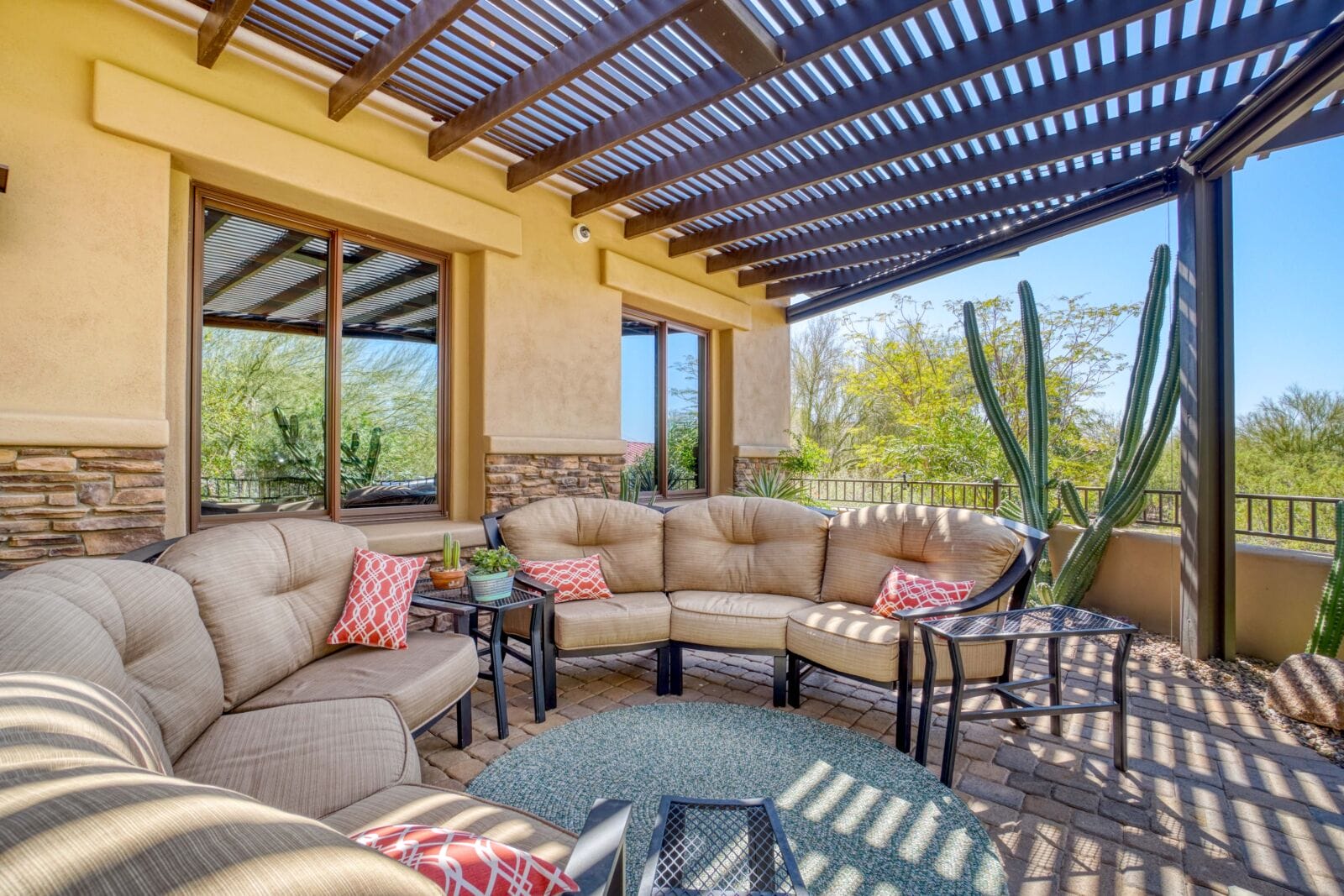
One of the most common patio mistakes is shopping for furniture first and deciding where to place it later. A better approach is to study the light before choosing the furniture. A spot that gets direct afternoon sun can be uncomfortable even with a great-looking sofa. Areas near an overhang, pergola, umbrella, shade tree, or covered balcony usually make better primary seating zones.
If the space is not large, a single outdoor sofa can define the main lounge area. It signals that this is not just a pass-through space, but a place to sit with coffee, talk with friends, or watch the sunset.
The direction of the sofa matters too. Seating that faces a pool, garden view, mountain line, courtyard, or city skyline will feel more inviting. Seating that faces a blank wall or storage area can make the space feel like an afterthought, even if the furniture itself is well made.
DEEPER DIVE: ‘America’s Top 50 New Boomtowns’ includes 7 Arizona cities
INDUSTRY INSIGHTS: Want more news like this? Get our free newsletter here
Choose Materials That Can Handle Heat, Sun, and Cleaning
In a hot climate, weather resistance matters more than shape at first. Metal frames should be checked for rust resistance and surface heat. Woven materials should be designed to resist UV exposure. Cushions should be easy to remove, resistant to fading, and preferably made with quick-drying construction. Wood furniture can bring warmth to a patio, but it also requires a realistic plan for upkeep.
Color affects comfort as well. Dark furniture can absorb more heat in strong sun, while lighter neutrals often feel cooler and easier to style with plants, outdoor rugs, and string lights. For short-term rentals and commercial properties, neutral colors also tend to photograph well and are easier to maintain over time.
A Set Usually Creates a Stronger Outdoor Scene
If the goal is to make the patio genuinely useful, not just furnished, a complete seating setup is usually more effective than one isolated piece. An outdoor sofa set can solve several problems at once: seating capacity, visual cohesion, and the feeling of an intentional conversation area.
For apartment communities and rooftop terraces, a modular layout can support multiple people using the space at the same time. For a private backyard, a sofa, two lounge chairs, and a low table can create an easy conversation zone. For a vacation rental, a complete outdoor seating scene can help photos communicate that guests will have a place to gather and unwind.
Still, a set does not mean more is always better. Hot-weather outdoor spaces need airflow and clear movement. Leave enough room between pieces so people can carry food, walk back inside, access the pool, or move shade equipment without squeezing through the furniture.
Do Not Forget Tables, Lighting, and Soft Goods
A functional outdoor seating area needs more than seats. People need places to set drinks, phones, books, and snacks. A low table, side table, or movable tray can make the space much easier to use. After sunset, wall lights, floor lamps, string lights, or solar path lights can extend the hours when the patio feels inviting.
Soft goods help the area feel more like an outdoor living room. An outdoor rug can define the zone. Pillows add comfort. Planters and greenery can soften hard surfaces and make a dry patio feel more livable. In Arizona and other hot regions, plant choices should also account for drought tolerance and maintenance.
Final Takeaway
Choosing an outdoor sofa for a hot-weather patio is not about finding the biggest, most expensive, or most dramatic piece. It is about choosing furniture that fits the climate and the way the space will actually be used. Shade determines how often people sit there. Materials affect long-term maintenance. A well-planned set determines whether the area feels social.
When an outdoor seating area makes people want to sit down, stay, and talk, it stops being filler for the yard or patio. It becomes one of the most memorable lifestyle spaces on the property.