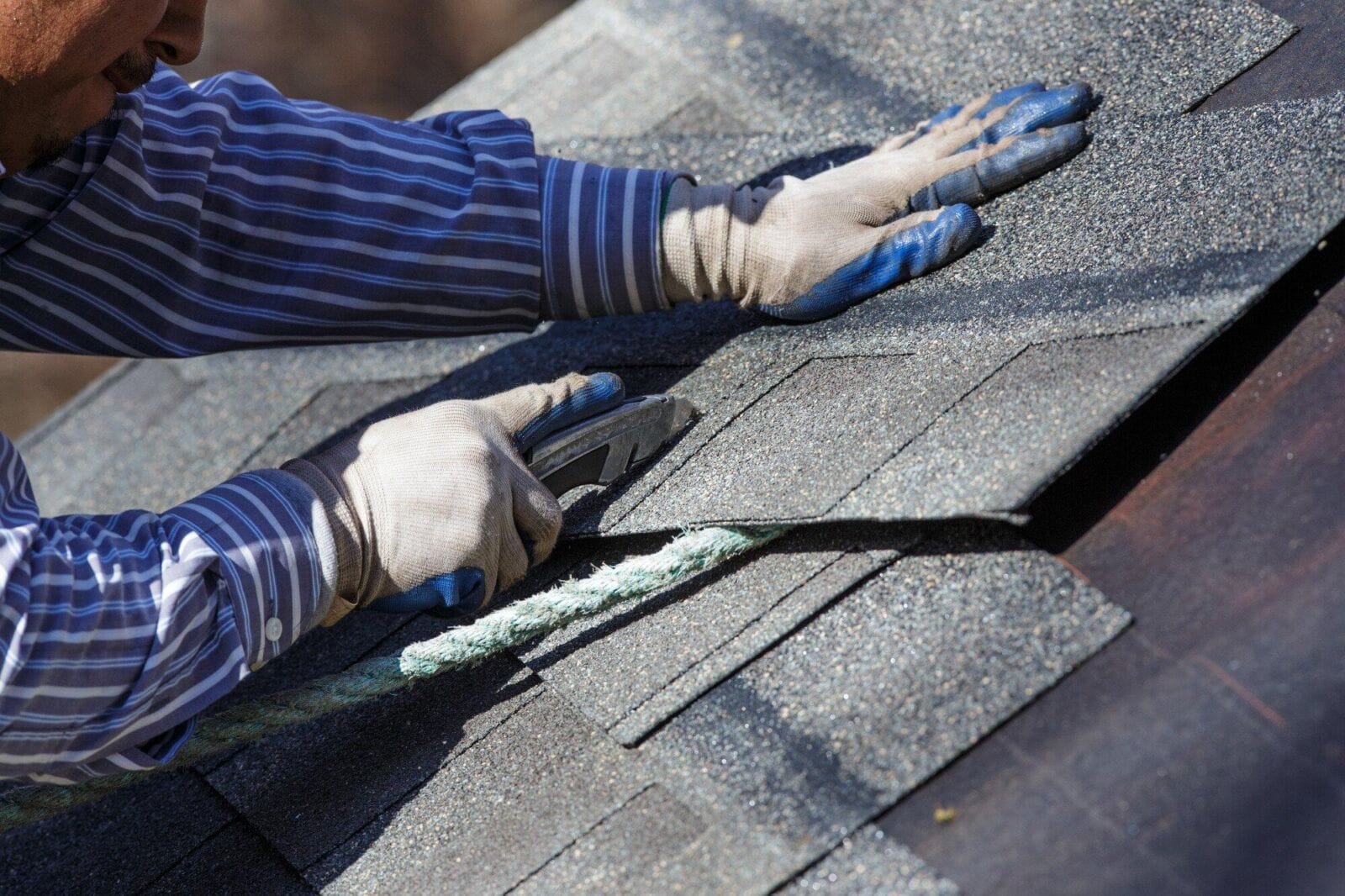
Storms are part of life in Missouri, but the damage they leave behind isn’t always easy to see. High winds, hail, heavy rain, and flying debris can weaken a roof without leaving obvious signs from the ground. That’s why many homeowners don’t realize there’s a problem until they discover a ceiling stain or water leak months later. Scheduling professional roofing services for Lee’s Summit homeowners after severe weather is one of the best ways to catch hidden damage before it becomes a costly repair.
A thorough Lee’s Summit roofing inspection looks beyond missing shingles. Experienced roof inspectors examine every part of the roofing system, from flashing and underlayment to attic ventilation and roof decking. Identifying hidden storm damage early can extend the life of your roof, prevent structural problems, and help avoid much larger repair bills down the road.

Hail Damage Isn’t Always Visible From the Ground
One of the biggest misconceptions homeowners have is that hail damage always leaves obvious dents or broken shingles. In reality, many hailstorms cause subtle damage that gradually shortens the life of the roof.
When hail strikes asphalt shingles, it often removes the protective granules that shield the surface from ultraviolet rays and moisture. Those damaged areas continue to deteriorate long after the storm has passed. Over time, shingles become brittle, crack more easily, and lose their ability to shed water effectively.
During a professional Lee’s Summit roofing inspection, inspectors look for granule loss, bruising, exposed asphalt, and impact marks that homeowners typically can’t identify from ground level. Catching these issues early can prevent premature roof failure.
Lifted Shingles Can Allow Water to Travel Beneath the Roof
Strong winds don’t always tear shingles completely off the roof. More often, they lift the edges just enough to break the adhesive seal that holds them in place.
Once that seal is compromised, every rainstorm creates another opportunity for water to work underneath the shingles. Moisture can travel across the roof deck before eventually appearing as a leak inside the home, making it difficult to locate the original source.
This is why Lee’s Summit roofing inspections include checking for lifted, loose, or improperly sealed shingles even when the roof appears undamaged from the street. Small repairs completed early often prevent much larger restoration projects later.
Flashing Damage Frequently Causes Delayed Roof Leaks
Flashing protects the most vulnerable areas of a roof, including chimneys, skylights, plumbing vents, and roof-to-wall intersections. These transition points experience constant expansion and contraction throughout the year, making them especially susceptible to storm damage.
Heavy winds or hail can loosen flashing, crack sealants, or create small openings that allow water to enter beneath the roofing materials. Because water often travels before dripping into the home, homeowners may not notice the problem until weeks or even months after the storm.
A detailed Lee’s Summit roofing inspection pays close attention to flashing because these areas are responsible for many hidden leaks that develop long after severe weather has passed.
Gutters Can Reveal Storm Damage You Can’t See
Gutters do more than move rainwater away from your home. They can also provide valuable clues about the condition of your roof.
After a storm, inspectors often check gutters for an unusual buildup of asphalt granules. While some granule loss occurs naturally as roofs age, excessive amounts may indicate hail damage or accelerated shingle deterioration. Gutters are also inspected for dents, loose fasteners, and drainage issues that could contribute to moisture problems around the roof edge.
Looking at the entire roofing system instead of just the shingles helps Lee’s Summit roofing professionals identify hidden storm damage that might otherwise be overlooked.
Moisture Inside the Attic Often Tells the Real Story
Some of the most important parts of a roof inspection happen inside the attic rather than on top of the roof.
Water entering through damaged roofing materials doesn’t always drip directly into the living space. Instead, it may soak roof decking, insulation, or framing for an extended period before becoming visible indoors. During that time, moisture can reduce insulation performance, encourage mold growth, and weaken structural components.
A complete Lee’s Summit roofing inspection includes checking the attic for water stains, damp insulation, wood discoloration, and signs of poor ventilation that may have contributed to hidden storm damage.
Roof Deck Damage Can Continue Long After the Storm
The roof deck provides the structural foundation for the entire roofing system. When water penetrates beneath the shingles, it can slowly weaken the decking even if no interior leak has appeared.
Soft spots, wood rot, and delamination often develop gradually, making them difficult for homeowners to recognize until repairs become much more extensive. By the time shingles begin sagging or interior ceilings show stains, the underlying damage may have existed for months.
Professional Lee’s Summit roofing inspections are designed to identify these structural concerns before they spread throughout the roofing system.
Storm Damage Can Shorten Your Roof’s Remaining Lifespan
Many homeowners assume that if their roof isn’t leaking, it’s still in good condition. Unfortunately, storm damage often reduces the remaining life of roofing materials without creating immediate problems.
Repeated hail impacts, lifted shingles, damaged flashing, and moisture intrusion all accelerate the natural aging process. A roof that should have lasted another decade may require replacement much sooner if hidden storm damage is left untreated.
Routine Lee’s Summit roofing inspections help homeowners understand the true condition of their roof and make informed maintenance decisions before problems become emergencies.
Why Timely Roof Inspections Matter
Storm damage rarely improves on its own. Every rainfall, temperature change, and freeze-thaw cycle gives moisture additional opportunities to spread through the roofing system. What begins as a small opening can eventually affect insulation, drywall, framing, and even interior finishes.
Scheduling a professional Lee’s Summit roofing inspection soon after severe weather allows hidden damage to be documented while repairs are often smaller, simpler, and less expensive. It also gives homeowners a clearer understanding of whether their roof needs minor repairs or more significant restoration work.
Protect Your Home with Regular Lee’s Summit Roofing Inspections
Not every storm leaves obvious damage, but that doesn’t mean your roof escaped without problems. Hidden issues like lifted shingles, damaged flashing, granule loss, and moisture intrusion often remain unnoticed until they develop into expensive repairs. Regular inspections help uncover these problems early, protecting both your roof and the rest of your home.
Whether your roof has recently experienced severe weather or it’s simply due for a professional evaluation, regular Lee’s Summit roofing inspections are one of the most effective ways to extend its lifespan and maintain long-term performance. Homeowners throughout Lee’s Summit and nearby communities such as Blue Springs, Independence, Raymore, Greenwood, and Grain Valley can benefit from working with a local roofing company that understands the region’s weather patterns and the damage they commonly leave behind.