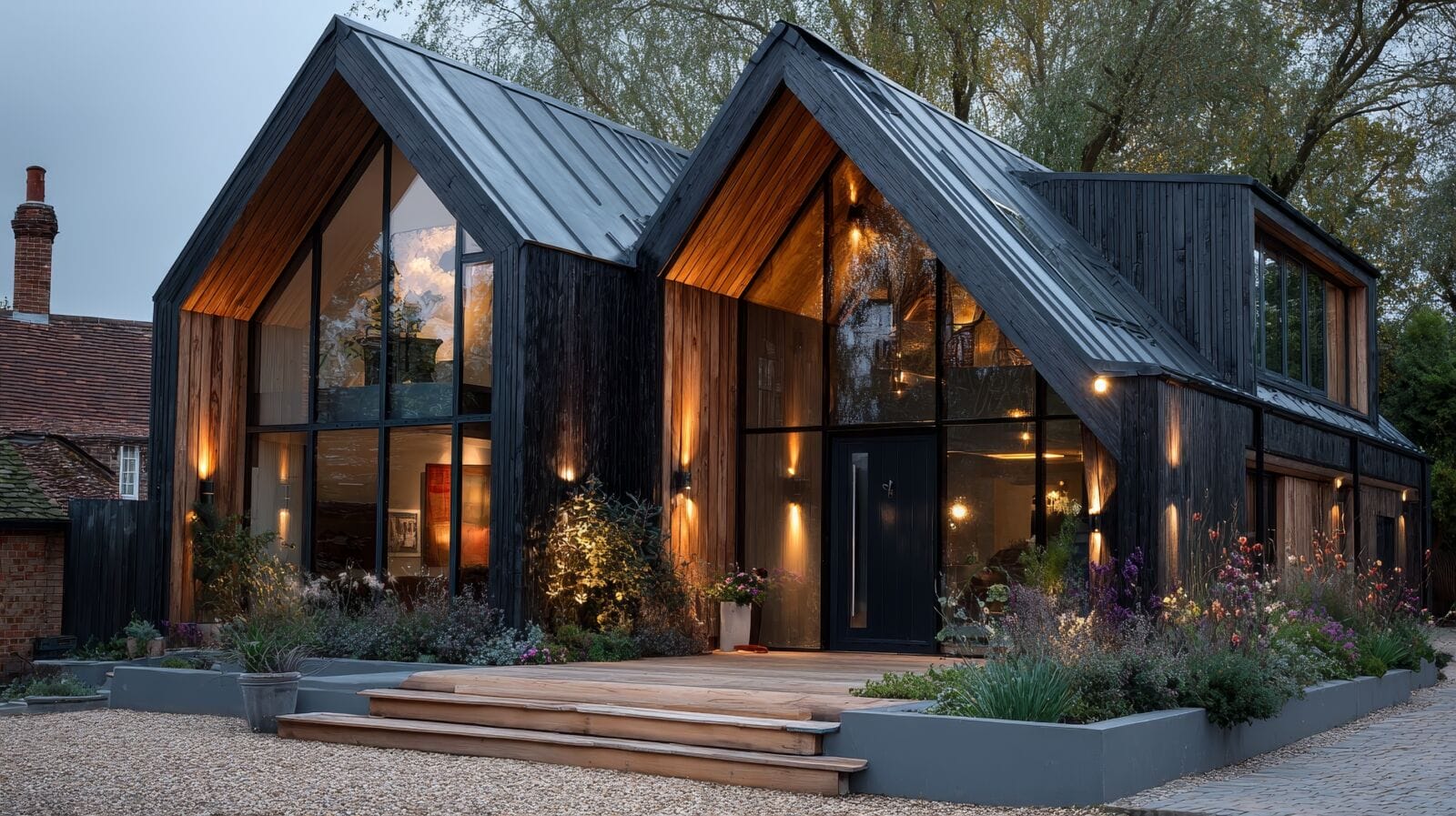
Outdoor lighting isn’t limited to function alone. It shapes character and contributes to a more polished and purposeful environment. It also improves safety during evening movement. Simultaneously, it creates a setting that feels inviting and comfortable.
With the right setup, the impact becomes clear. Lighting decisions influence how each space is experienced, whether it’s highlighting a garden path or a backyard deck.
Studies show that well-lit properties actually see 39% drop in attempted break-ins. This proves that a good setup does much more than just look nice.
Even so, choosing the correct setup isn’t always simple. The modern lighting market puts forward an array of fixtures to pick from. Each comes with diverse styles and technical features. Because of this, finding the appropriate fit may feel taxing.
Thus, to make the process easier, this guide cuts through all the noise to help you pick the best outdoor lighting.
5 Ways to Align Outdoor Lighting With Your Home’s Architectural Style
Define Your Aim Before You Buy
Define your objective before selecting any fixtures. Are you aiming to secure the perimeter? Or do you want to highlight your landscaping? Maybe you’re just trying to create a cozy patio for guests. Defining these goals early keeps you from buying mismatched lights that don’t serve a purpose. It also helps you focus your budget on the specific zones that actually need attention.
Once you are clear on the purpose, the entire process feels easier. You move from guessing to making confident choices.
Highlight Areas That Matter Most
Your home’s exterior works like a stage. Certain areas deserve more attention for how they look and function.
- Entryways: Your entrance is the first point of contact. Wall sconces can make it feel warm and approachable.
- Pathways and Driveways: Place lights along the edges of your walkways. This keeps your path safe while giving your home a polished look.
- Stairs: Step lights are a practical necessity. They significantly reduce the risk of trips after dark.
- Patios and Decks: Use layers of light in these social spaces. String lights or sconces bring a light, calming feel to outdoor areas.
- Gardens: Use spotlights to highlight trees or garden features. This adds beautiful depth to your landscape.
- Garages: Mount motion-sensor lights near your garage. They put forth added security exactly where you require it most.
Select the Most Suitable Outdoor Lighting Fixtures
Most people go by looks when selecting fixtures. Then they realize the light just doesn’t suit the space. It’s a common mistake. You really have to focus on the purpose first. Many designers prefer outdoor lights by in-Lite for this reason. They provide countless options that actually solve these functional problems.
- Wall lights work well for entryways. They help ground the space and make the home feel complete.
- Post lights are useful for long driveways. They improve visibility and make parking easier.
- Floodlights should be used with intention. Experts always tell people to save floodlights for the big, dark corners where you just need to see.
- A small spotlight works best if you want to show off a nice tree or some stonework. It creates a focal point.
- Path lights should remain low and subtle. This prevents the space from feeling overly bright. The same approach applies to steps, where only enough light for safety is needed.
- String lights or lanterns are a simple choice for a relaxed setting. They put forth an easy and cost-effective way to make the outdoor space feel more inviting.
Align Lighting With Home’s Design Style
Your outdoor lights should actually feel like they belong in your house. Not just something you added later. If you have a modern minimalist home, keep things simple. Clean lines and basic geometric shapes work best. They’ll blend right in with the architecture.
Got a more traditional or older home? Then, lantern-style lights or warm metal finishes usually look way better. They suit the character of the place.
When your lights do not match the style, the space feels uneven. Staying consistent keeps it looking clean.
Pick the Right Light Intensity and Color Tone
Brightness and color temperature make a massive difference than you might think. Nonetheless, most people overlook them. They can totally alter the mood outside your home.
Stick to warmer tones around 2700K to 3000K for outdoor lighting. They deliver a soft and pleasant glow. Skip the cool white or daylight bulbs. They tend to look harsh and sterile.
On brightness, less is usually more. You want to enjoy the light itself. Overly bright fixtures may cause glare and diminish important visual elements.
Final Thoughts
Getting your outdoor lighting right brings design and safety together. Focus on what each space needs, then choose quality fixtures. Start now, and you will create an exterior that feels polished and practical.