After a pool party, a storm, or several rainy days, pool water can change quickly. Heavy use brings sweat, sunscreen, body oils, dirt, hair products, and more organic material into the water. Rain can add extra water, dilute sanitizer, push debris into the pool, and shift pH or alkalinity.
That does not mean every cloudy pool needs a heavy chemical dose. Shocking can help restore sanitizer strength, but it works best when it follows a careful process: clean first, test the water, choose the right product, follow the label, circulate, and retest before swimming.
A safe shock routine is not about rushing. It is about bringing the pool back under control after weather or heavy use without guessing.
Test The Water Before Adding Shock
Check Chlorine, Ph, And Alkalinity First
Pool owners should not shock blindly. Before adding any product, test free chlorine, combined chlorine if your kit measures it, pH, total alkalinity, and water clarity. These numbers tell you what the pool actually needs.
pH matters because chlorine works best when the water is in the proper range. If pH is far too high or too low, shock may not perform as expected, and swimmers may feel more discomfort later. Use your test kit, pool volume, and product label as the guide.
Decide Whether The Pool Really Needs Shocking
Shocking may be helpful after a heavy swimmer load, cloudy water, algae signs, a strong chloramine smell, or a storm that dilutes sanitizer and adds debris. But if the water is clear and chlorine remains in the recommended range, a full shock treatment may not always be necessary.
After rain, start by checking water level, skimming debris, inspecting equipment, and testing chemistry. The pool’s condition should guide the treatment, not the calendar alone.
Clean Debris Before Shocking
Chlorine shock works better when the pool is physically clean. Leaves, insects, branches, pollen, and dirt add organic load to the water. If that debris stays in the pool, chlorine has more to handle.
Skim floating debris first. Empty skimmer and pump baskets. Brush walls, steps, ladders, corners, and the waterline. Vacuum settled debris from the pool floor when possible. If the water is very dirty after a storm, clean in stages instead of expecting chemicals to fix everything at once.
Also check the water level. Heavy rain can raise the pool level too high, which may affect skimming and filtration. Adjust it if needed before running the system for long periods.
Choose The Right Pool Shock And Follow The Label
Understand Common Shock Types
Pool shock products are not all the same. Calcium hypochlorite, dichlor, liquid chlorine, and non-chlorine oxidizer can affect the pool differently. Some add calcium. Some add stabilizer. Some are used mainly to oxidize contaminants.
That is why the label matters. The amount depends on pool size, current readings, product strength, and water condition. Avoid treating “one bag” or “one bottle” as a universal answer.
Avoid Mixing Chemicals
Never mix pool shock with other chemicals. Do not combine products in a bucket, skimmer, or storage area. Wear gloves and eye protection, avoid breathing fumes or dust, and keep children and pets away during treatment.
Chemical safety is part of pool maintenance. Store products in a dry, secure area, and follow the label for dosing, dilution, and application.
How To Shock The Pool Safely
Run the pump so the product can circulate properly. Add shock according to the label, usually around the pool perimeter or as directed. Do not pour shock into the skimmer unless the label clearly says it is allowed.
Brush again if needed to help distribute the product and disturb debris on surfaces. Let the pump run for several hours or overnight, depending on the product directions and the pool’s condition.
Before anyone swims, retest. Many owners search swim after adding pool chemicals because they want a simple waiting time, but the safer answer depends on test results and the product used. Chlorine and pH should be back in the recommended swimming range, the water should be clear enough to see the bottom, and the product label should be followed before re-entry.
Let Circulation And Filtration Do Their Work Before Cleanup
After shocking, give the pool time to mix and filter. This waiting period is important because the water may not show its final condition right away. Cloudiness can improve after several hours of circulation, and some dirt may settle on the floor after brushing or storm cleanup.
During this stage, watch how the system is running. Check that the pump is moving water normally, returns are flowing, and filter pressure is not climbing too fast. If the filter is dirty, clean or backwash it according to your equipment type. A clogged filter can slow recovery even when the chemical treatment is correct.
This is also a good time to remove any large debris that appears after circulation starts. Leaves, small branches, and heavy dirt should not be left for the cleaner or filter to handle alone. Once the water has circulated, the filter is working properly, and large debris is out, physical cleanup becomes much more effective.
Use A Robotic Cleaner After Rain Or Heavy Use
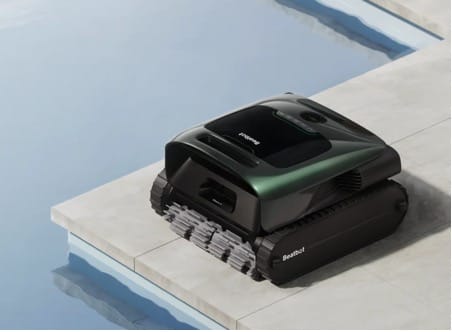
After a storm or busy swim day, physical cleanup can be just as important as chemical treatment. Once large debris is removed and the water is circulating, an automatic cleaner pool can help collect settled dirt, leaves, pollen, insects, and visible buildup from pool surfaces. Beatbot models are useful in this kind of routine because different options can support floor, wall, waterline, and, depending on the model, surface-related cleaning. AquaSense 2 Ultra and AquaSense 2 Pro are stronger choices for larger pools or tougher cleanup situations where broader coverage and smarter navigation matter. Sora models can fit lighter maintenance needs or simpler pools, depending on size, debris load, and budget. A practical routine after rain looks like this: skim branches and leaves, start circulation, test the water, treat only as needed, let filtration run, then use the cleaner to collect debris that settles after brushing. The robot reduces vacuuming and brushing work, but it does not replace shock treatment, testing, filtration, or safe chemical handling.
| Step | Why it matters | What to check |
| Skim first | Removes large organic debris | Leaves, bugs, branches |
| Test water | Prevents guessing | Chlorine, pH, alkalinity |
| Brush surfaces | Loosens buildup | Steps, corners, waterline |
| Add shock carefully | Restores sanitizer strength when needed | Product label and pool volume |
| Circulate and filter | Helps mix chemicals and remove particles | Pump flow, pressure, returns |
| Retest before swimming | Confirms the pool is ready | Chlorine, pH, clarity |
When It Is Better To Wait Or Call A Professional
Do not handle chemicals during lightning, flooding, heavy rain, strong wind, or poor visibility. Also wait if there are electrical concerns around the pump, lights, outlets, or equipment pad.
Call a pool professional if the water is dark green or black, the pool was flooded with runoff, the pump will not prime, equipment is leaking, readings are confusing, algae keeps returning, or the pool surface or liner looks damaged.
There is no benefit in forcing a treatment when the pool is unsafe to work around. Waiting for better conditions or getting professional help can prevent bigger problems.
Keeping Shock Treatments Safer And Less Frequent
Shocking should be part of a thoughtful maintenance routine, not a replacement for everyday care. Skim and brush regularly, test water after storms or heavy use, keep baskets clean, maintain filtration, and store chemicals safely.
A simple pool log can help. Write down the date, weather, test results, product added, and when the water was safe for swimming again. Over time, this makes it easier to understand how your pool reacts to rain, heat, and heavy use.
A safer shock routine starts with cleaning first, testing before dosing, following the label, circulating long enough, and retesting before anyone gets back in the water.