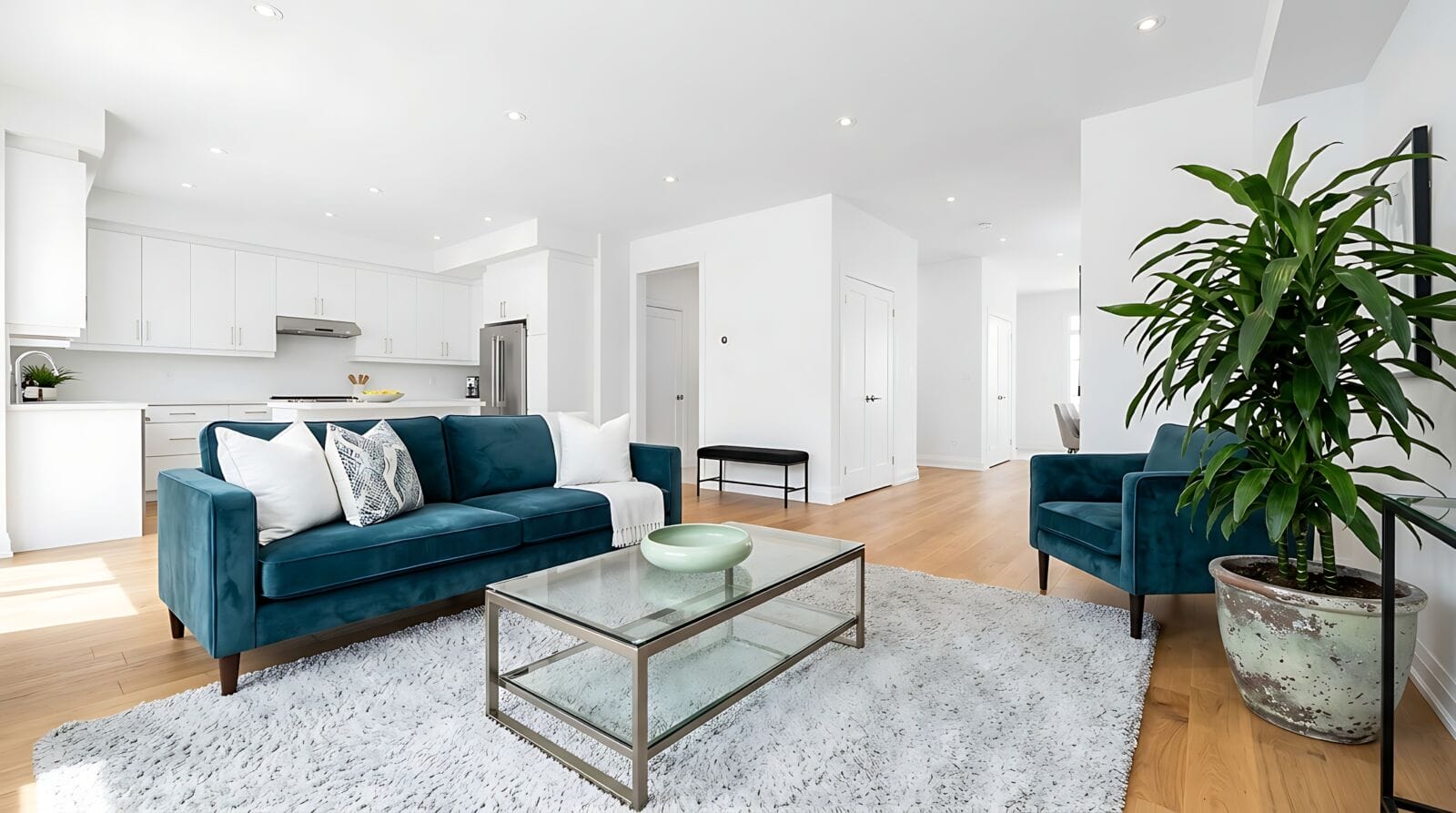
A home should be comfortable, functional, and suited to the people who live in it. Over time, however, rooms can begin to feel outdated, storage may become insufficient, and the original layout may no longer support everyday routines. An interior renovation offers an opportunity to address these problems while giving a home a fresh and more welcoming appearance.
For homeowners considering an upgrade, working with an experienced interior renovation contractor, New Jersey can help turn renovation ideas into a practical plan. Whether the goal is to modernize a kitchen, refresh a bathroom, improve a living room, or update several areas at once, thoughtful planning can make the entire process more manageable.
Start With Your Home’s Everyday Needs
Before choosing paint colors, flooring, or new furniture, consider how each room is used. A beautiful space may still feel inconvenient if it lacks storage, has poor lighting, or makes it difficult to move around comfortably.
A busy kitchen may benefit from better cabinet organization and improved countertop space. A living room might need a more practical furniture arrangement, while a home office could require additional electrical outlets and task lighting.
Make a list of the issues you want to solve and rank them by importance. This helps you focus your budget on improvements that will have the greatest effect on daily life rather than spending money on cosmetic changes that do not address your actual needs.
Choose Renovation Materials That Balance Style and Durability
Material selection plays an important role in the appearance, maintenance, and lifespan of an interior renovation. Although attractive finishes can make a strong first impression, they should also suit the room’s intended use.
Flooring, for instance, should be selected according to foot traffic, moisture exposure, cleaning requirements, and personal preferences. Kitchens and bathrooms often require materials that can handle frequent cleaning and changing moisture levels. Living rooms and bedrooms may offer more flexibility in texture, warmth, and finish.
Cabinetry, countertops, wall finishes, and hardware should also work together visually. Choosing a consistent color palette and complementary materials helps create a connected appearance throughout the home.
It is not always necessary to select the most expensive products. Quality materials that meet your household’s needs can deliver a better long-term result than premium finishes chosen without considering maintenance or practicality.
Improve Lighting to Transform Interior Spaces
Lighting is one of the most effective ways to change how a room looks and feels. Even a well-designed interior can seem uncomfortable when it relies on a single overhead fixture or has dark corners.
A layered lighting plan typically combines three elements:
- Ambient lighting: Provides general illumination throughout the room.
- Task lighting: Supports activities such as cooking, reading, working, and applying makeup.
- Accent lighting: Highlights artwork, architectural details, shelving, or decorative features.
Natural light should also be considered during renovation planning. Window treatments that allow daylight into a room can make interiors feel more open without requiring major structural changes.
In kitchens, under-cabinet lighting can improve visibility on work surfaces. In bathrooms, well-positioned vanity lighting can provide more useful illumination for daily routines. Warm lighting in living areas can create a relaxed atmosphere, while adjustable task lighting can make workspaces more practical.
Plan Your Renovation Budget Before Construction Begins
Budget planning is essential for avoiding unnecessary stress during a home improvement project. Renovation costs can vary depending on the property’s condition, the size of the space, the materials selected, labor requirements, and whether structural or mechanical work is necessary.
Begin by identifying the project’s main expenses, including labor, materials, demolition, disposal, fixtures, and any required professional services. Ask for a detailed estimate that explains the expected scope of work rather than relying on a general price alone.
It is also wise to reserve a contingency fund for unexpected issues. Older properties, in particular, may reveal damaged drywall, outdated wiring, plumbing concerns, or hidden moisture problems once existing finishes are removed.
If your budget is limited, prioritize improvements that address safety, functionality, and long-term durability. Decorative upgrades can often be completed later, while essential repairs should be addressed before new finishes are installed.
Understand Permits and Project Requirements
Not every interior renovation requires a building permit, but projects involving structural modifications, electrical systems, plumbing, or other regulated work may require approval under applicable local requirements.
Before construction begins, confirm which permits and inspections apply to your project. Requirements can differ between New Jersey municipalities, so homeowners should not assume that the rules are identical everywhere.
Discuss these details with your contractor before agreeing on the final schedule. Addressing approvals early can help prevent avoidable delays and ensure that the work follows relevant building codes.
Homeowners should also clarify who will coordinate subcontractors, arrange inspections, order materials, and communicate changes. Clear responsibilities help keep a renovation organized from the initial planning stage through completion.
Keep Design and Functionality in Balance
Interior design trends can provide inspiration, but the best renovation choices are those that remain useful beyond a single season. Neutral finishes, practical storage, comfortable layouts, and quality lighting can create a foundation that adapts to changing tastes.
Personal touches can then be introduced through artwork, textiles, decorative accessories, furniture, and smaller design features. These elements are generally easier to change than permanent finishes, allowing homeowners to refresh a room without starting another major renovation.
It is also important to consider how different rooms connect. Matching every finish is unnecessary, but coordinating colors, flooring transitions, trim, and lighting can make a home feel more cohesive.
When several rooms are being renovated, develop an overall design direction before making individual selections. This reduces the risk of ending up with spaces that look attractive separately but feel disconnected when viewed together.
Work With Professionals Who Understand Your Goals
A successful renovation depends on more than construction skills. Communication, scheduling, attention to detail, and a clear understanding of the homeowner’s priorities are equally important.
Before hiring a contractor, review relevant project experience, request references where available, and ask how the work will be organized. Make sure the written agreement explains the scope, payment schedule, expected timeline, material responsibilities, and procedures for handling changes.
Homeowners exploring renovation options can learn more about BlackBirdz LLC and its services when considering improvements to their New Jersey properties.
Maintain regular communication throughout the project and address questions as they arise. Small concerns are often easier to resolve early than after several stages of construction have been completed.