The city of Brisbane is the capital of Queensland and basks in its subtropical climate, providing an atmosphere that fosters a wide range of wildlife and plant life. This beautiful city boasts abundant sunshine and heavy rainfall during the wet season, creating a distinctive environment that also contributes to a thriving termite population.
Termites, though tiny, can wreak havoc on properties, resulting in extensive structural damage that’s often costly to repair. For Brisbane residents, regular termite inspections are a necessary part of homeownership, enabling early detection and prevention of termite infestations. Undeniably, dealing with these invasive pests sooner rather than later can save homeowners not only from heavy financial burdens but also from the much larger issue of widespread structural damage.
With a focus on educating homeowners about termite inspections in the unique climate of Brisbane, this expansive guide seeks to provide comprehensive advice and expert tips. Ignorance can often contribute to extensive termite-related damage, and the overarching aim of this article is to provide homeowners with the knowledge they need to safeguard their homes.
Understanding Termite Behaviour in Brisbane
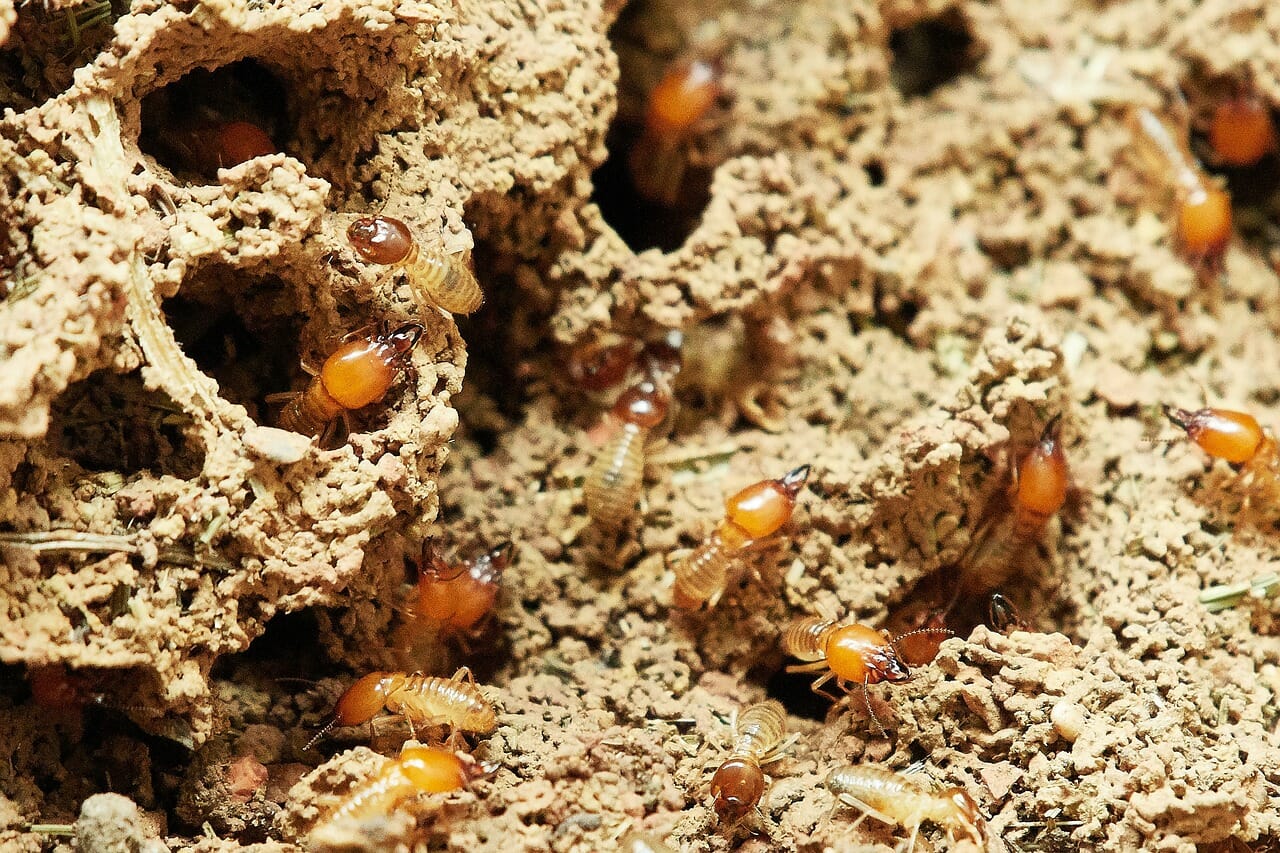
Brisbane provides a hospitable environment for various insect species, including destructive pests like termites. Given the favourable climatic conditions, different termite species flourish in the region, with the most commonly found ones being the subterranean termites, dampwood termites, and drywood termites.
Subterranean termites, in particular, have a notorious reputation for being destructive. They typically build their colonies below ground and venture upwards to source food, making foundations and wooden structures of homes a likely target. The humid conditions in Brisbane, coupled with the warmth, foster year-round termite activity. As cold-blooded creatures, termites thrive in higher temperatures and can remain active all year, unlike in some colder regions.
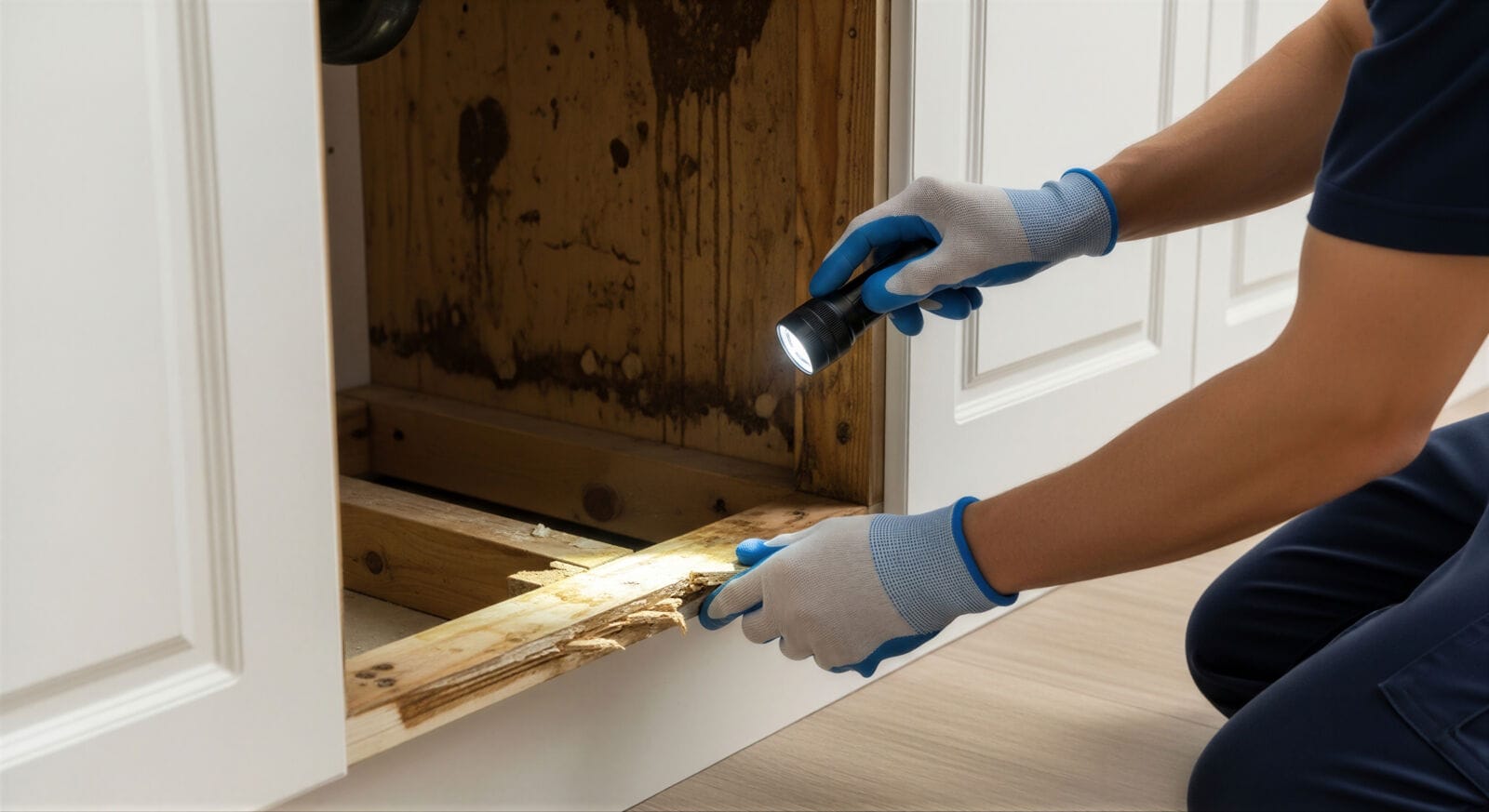
For homeowners, understanding termite behaviour becomes critical in combating infestations. Signs of possible infestation can include the appearance of mud tubes on walls that termites construct as highways between their nest and food sources, wooden structures sounding hollow when tapped, or discarded wings near windowsills, an indication of a recent termite swarm.
Don’t underestimate the potent damage termites can cause. Prolonged infestations can lead to severe structural damage; imagine weakened floorboards that give way under weight, support beams gnarled by the relentless munching of termites, or any wood-based structure collapsing without warning.
How Often Should Termite Inspections Be Conducted?
The frequency of termite inspections will vary, but as a rule, annual inspections are recommended for homes in Brisbane. Given the city’s climate, termites can stay active year-round, meaning homeowners must remain vigilant. Nonetheless, this frequency may need to be increased for properties located in high-risk areas or for homes that have a higher predisposition for termite infestations.
Past infestations, a large presence of wood in the construction of the home, or properties abutting wooded areas could necessitate more frequent inspections. Furthermore, seasonal changes can impact inspection schedules too. The increased humidity following the wet season could potentially see a surge in termite activity, warranting extra vigilance from homeowners.
Beyond professional inspections conducted by pest control experts, homeowners should consider partaking in regular routine checks on their property. This doesn’t substitute for a professional inspection, but being so familiar with the property, homeowners are well-positioned to spot any unusual changes. Remember, prevention is always better than cure, and the earlier you can identify and address termite issues, the better.
Homes with wooden structures or improper foundations, especially if they’re older, face a higher risk of termite invasions and hence may require more frequent than average inspections. However, newer homes decked with termite-resistant constructions might fare better. Regardless, don’t let your guard down just because you live in a newly built property or because your home features concrete, bricks or steel – termites may still find something to feast on.
Choosing the Right Termite Inspector
An integral part of maintaining the integrity of the property is ensuring you get the right termite inspector on board. A practising pest inspector should possess the correct certifications and licenses, which authenticate their ability to perform inspections following industry best standards. Make sure to verify the accreditation of the inspector beforehand – a reputable pest inspector should be able to show you these credentials.
Practical experience and local knowledge play a significant role when it comes to termite inspections. Having handled numerous inspections over the years, experienced inspectors bring a wealth of practical knowledge to the table. Furthermore, being familiar with the Brisbane area enables them to understand the local termite activity better, helping them spot infestations quickly and accurately.
Make use of reviews and testimonials as they can be a reliable way to gauge an inspector’s professionalism, thoroughness, and customer service. Don’t hesitate to ask specific questions about their previous work in similar homes or localities. Beware of fraudulent services that might offer a cheaper upfront Brisbane termite check-up pricing but fail to deliver comprehensive services. Remember, the quality of the inspection could drastically affect the state of your home.
Preparing Your Home for an Inspection
Preparation is key when it comes to facilitating a thorough termite inspection. Granting the pest inspector easy access to all areas of the house will help them in conducting a comprehensive check. This would involve clearing any clutter from your basement, attic, or crawlspaces, and ensuring the exterior of the house is unobstructed as well.
Leaving garden beds, building materials, or piles of timber close to your house can encourage termite activity. Remove any such obstructions from around your house’s outer walls and foundation to allow the inspector to carry out a meticulous check.
Keep the inspector informed about any recent alterations or renovations made to the property that they should be aware of. Direct and straightforward communication is key here. If the inspector provides specific instructions on what they require during the inspection, kindly adhere to those to enable a smoother and thorough process.
After the Inspection: What Homeowners Should Do Next
Once the inspection is complete, the inspector will typically provide a detailed report outlining the findings. Depending on the state of your property, the findings could range from no issues detected to active termite infestations or minor wood damage indicating prior termite activity. Responding to these findings promptly is crucial, and the appropriate action would largely depend on the specific findings.
For minor cases, you might be able to address it by implementing simple treatment measures or doing minor repairs. However, if there’s an active infestation or severe structural damage, immediate pest control measures and substantial repair work might be necessary.
Post inspection, the focus should ideally be on proactive termite prevention. This could involve installation of preventative measures like chemical barriers, baiting systems or physical barriers during construction, sealing cracks and openings around the house through which termites might invade, and maintaining a dry environment around the house to make it less enticing to these pests. These preventative efforts could be a more cost-effective and less exhausting way to safeguard your property in contrast to tackling a large-scale infestation.
Crucially, follow through with periodic inspections, even if you’ve recently treated your home for termites or put in anti-termite measures. This is particularly important as the previously identified infestation already indicates your property is attractive to termites.
Conclusion
Preserving the sanctity and structural soundness of one’s home is the cornerstone of successful homeownership in Brisbane. By taking termite activity seriously and taking proactive measures to stave off termites, homeowners can significantly reduce the risk of widespread termite damage.
The process of conducting regular termite inspections adds an extra layer of protection to your property, ensuring that these pests don’t find a foothold. The reduced financial burden and preserved structural integrity that these inspections confer are clear indicators that this approach is worth the investment.
Protecting your Brisbane home from termites is a continuous process, and delaying it can lead to consequences that come with a heavy price to pay. An annual inspection, teamed with a keen eye for potential signs of infestation, can ensure prompt intervention, saving homeowners from the escalating cost of repairing substantial termite damage. The Brisbane termite check-up pricing is just a small investment, given the potential cost of termite damage.
In conclusion, make sure to schedule a termite inspection regularly, be vigilant in looking out for warning signs, and don’t hesitate to seek expert advice when in doubt. Termite management is an ongoing effort and staying vigilant is key to keeping your home safe and termite-free.