Choosing materials for your home involves more than comparing appearances or selecting products that match your preferred style. Every material contributes to the comfort, functionality, and durability of your living space. From flooring and roofing to windows and exterior finishes, the right choices can influence how well your home performs over time.
Understanding the characteristics of different materials can help you make informed decisions. In Florida, where hurricanes, high humidity, and intense sunlight can affect residential properties, selecting materials suited to local environmental conditions is particularly important. Factors such as durability, maintenance requirements, energy efficiency, and installation quality all deserve attention. Taking time to evaluate these details can help you create a comfortable, practical, and attractive home.
Prioritize Durability and Material Quality
Durability is one of the most important factors when selecting materials for your home. Products that withstand everyday wear, moisture, temperature changes, and environmental exposure can help maintain your property’s condition.
Different parts of a home require different levels of protection. Flooring must withstand regular foot traffic, while roofing and exterior materials need to resist environmental conditions. Windows and doors also play an important role in maintaining comfort and protecting interior spaces.
Homeowners in Florida often consider impact-resistant windows and doors when selecting exterior materials because of the region’s exposure to hurricanes and strong winds. If you are based in Florida windows and doors deserve particular attention to protect your home, especially when it’s storm season.
Impact-resistant windows, replacement doors, and sliding glass doors are practical options for homeowners looking to improve their property’s durability and protection. Materials such as vinyl and aluminum frames, combined with energy-efficient glass, can enhance structural strength, insulation, and everyday comfort. Considering these features alongside professional installation and local building requirements can help homeowners make informed choices.
Consider How Materials Affect Everyday Comfort
The materials used throughout your home can influence temperature regulation, noise levels, and general comfort. Selecting appropriate products helps create living spaces that remain functional throughout daily activities.
Insulation is particularly important because it helps reduce unwanted heat transfer. Materials such as fiberglass, mineral wool, and rigid foam insulation offer different performance characteristics depending on their intended applications.
Flooring choices can also affect comfort. Carpet provides a softer surface and can reduce certain types of indoor noise, while tile offers durability and straightforward cleaning. Engineered wood can provide a warm appearance while accommodating certain environmental changes better than some solid wood products.
Consider how each room is used before selecting materials. Bedrooms, kitchens, bathrooms, and living areas have different requirements, so a single material may not be suitable throughout the entire home.
Evaluate Maintenance and Cleaning Requirements
Some materials require frequent attention to maintain their appearance, while others can remain in good condition with relatively simple care. Understanding these differences helps homeowners choose products that suit their routines.
Natural stone, for example, may require periodic sealing depending on the material and finish. Certain hardwood floors need protection against excessive moisture and scratches, while porcelain tile generally offers good resistance to staining and everyday wear.
Exterior materials deserve similar consideration. Painted wood siding may need periodic refinishing, whereas some fiber cement and metal products require different maintenance procedures.
Before making a decision, review the manufacturer’s cleaning recommendations and maintenance instructions. Choosing materials that are practical to maintain can make everyday household responsibilities more manageable.
Energy Efficiency and Insulation Properties
Energy efficiency should be considered when selecting materials for both interior and exterior improvements. Proper insulation, efficient windows, and suitable roofing products can influence indoor temperatures and heating or cooling requirements.
Window performance depends on several features, including glazing, frame construction, air leakage, and installation quality. Double-pane glass and appropriate low-emissivity coatings can help reduce unwanted heat transfer when selected for the local climate.
Roofing materials also contribute to thermal performance. Reflective roofing products may help reduce solar heat absorption in suitable applications, while adequate attic insulation supports more consistent indoor temperatures.
Rather than evaluating individual products separately, consider how different building components work together. Effective energy performance depends on the overall construction, including insulation, ventilation, sealing, and properly installed materials.
Choose Materials That Complement Your Home’s Design
Materials influence the visual character of a home, making design compatibility an important consideration. Colors, textures, finishes, and proportions should work together to create a consistent appearance.
For example, natural wood can introduce warmth into living spaces, while stone and ceramic finishes may create a more contemporary atmosphere. Metal accents and glass features can complement modern architectural styles.
Exterior materials should also coordinate with the home’s existing structure. Roofing colors, siding finishes, entry doors, and window frames can affect its overall appearance.
Consider obtaining physical samples before making final selections. Viewing materials under different lighting conditions can help you understand how their colors and textures will appear in your home.
Understand the Importance of Proper Installation
Even high-quality materials may not perform as expected when installed incorrectly. Proper installation helps preserve product functionality, durability, and safety.
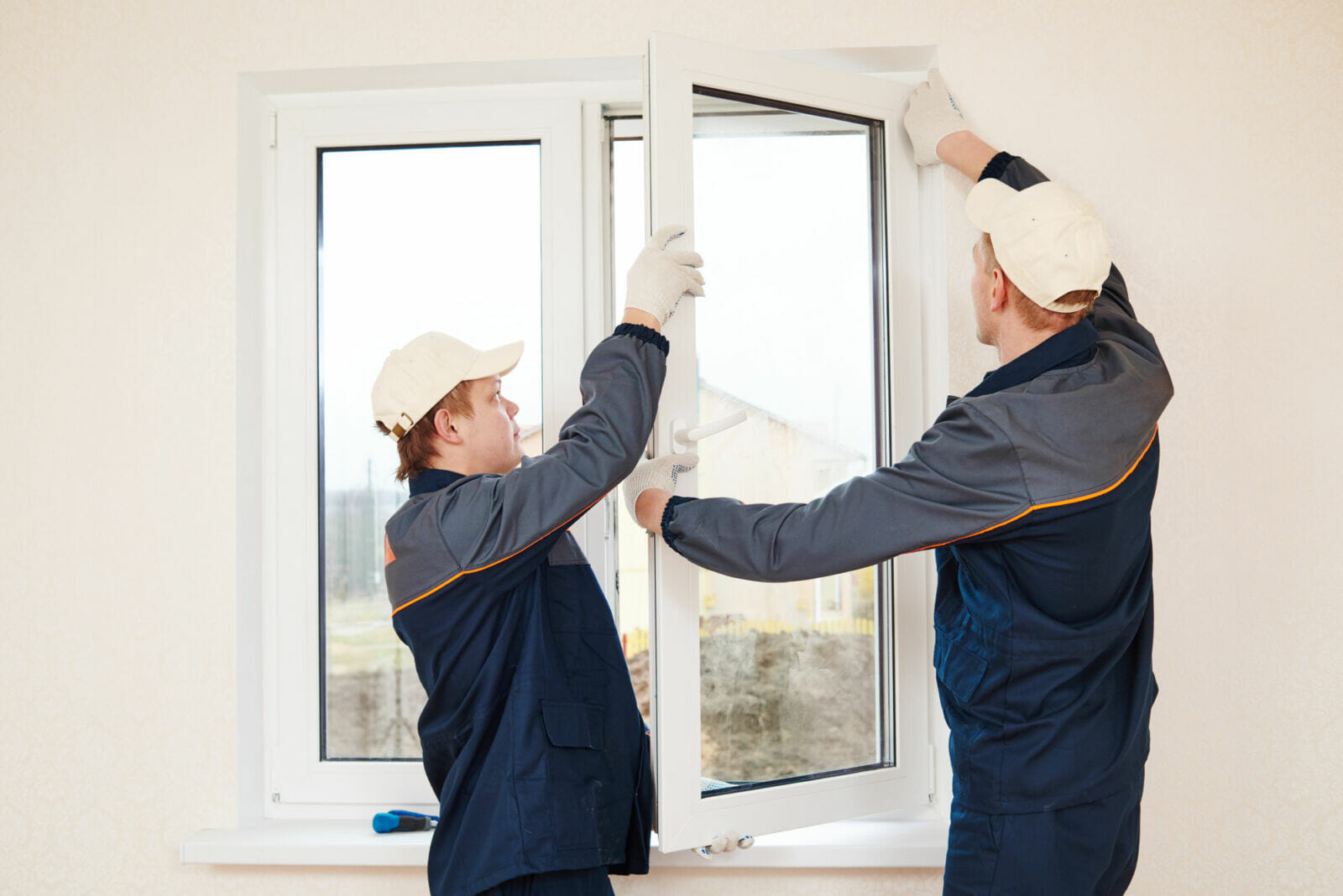
Different materials require specific installation methods. Flooring products may need suitable subfloor preparation, while roofing systems require appropriate underlayment, fastening, and ventilation. Windows and doors depend on accurate measurements, secure anchoring, and effective sealing.
Hiring qualified professionals can help ensure that installation follows manufacturer instructions and applicable building requirements.
Before work begins, discuss installation procedures, expected timelines, and any preparation requirements. Clear communication can reduce misunderstandings and help achieve satisfactory results.
Compare Material Specifications and Warranties
Materials that look similar may have different performance characteristics. Reviewing technical specifications can help homeowners understand these differences before making decisions.
For flooring, consider wear resistance, moisture tolerance, and recommended applications. Exterior materials should be evaluated for structural suitability, corrosion resistance, and relevant product certifications.
Warranty information is equally important. Some warranties cover manufacturing defects, while others provide limited protection against specific performance issues. Coverage periods, exclusions, and maintenance conditions can vary considerably.
Read warranty documents carefully rather than relying on general product descriptions. Understanding what is covered can help you compare materials more effectively and avoid unexpected concerns later.
Think About Your Home’s Future Needs
Material selection should account for how your household’s requirements may change over time. Features that work well today should ideally remain practical as your lifestyle evolves.
For example, slip-resistant flooring can improve usability in bathrooms and entryways. Durable countertops may be appropriate for frequently used kitchens, while accessible doorways can support changing mobility needs.
Consider whether materials can accommodate future repairs or modifications. Products with readily available replacement components may be easier to maintain than highly specialized alternatives.
Ultimately, selecting suitable materials requires balancing durability, comfort, appearance, maintenance, and functionality. By evaluating these factors carefully, homeowners can make informed choices that support a practical, attractive, and comfortable living environment for years to come.