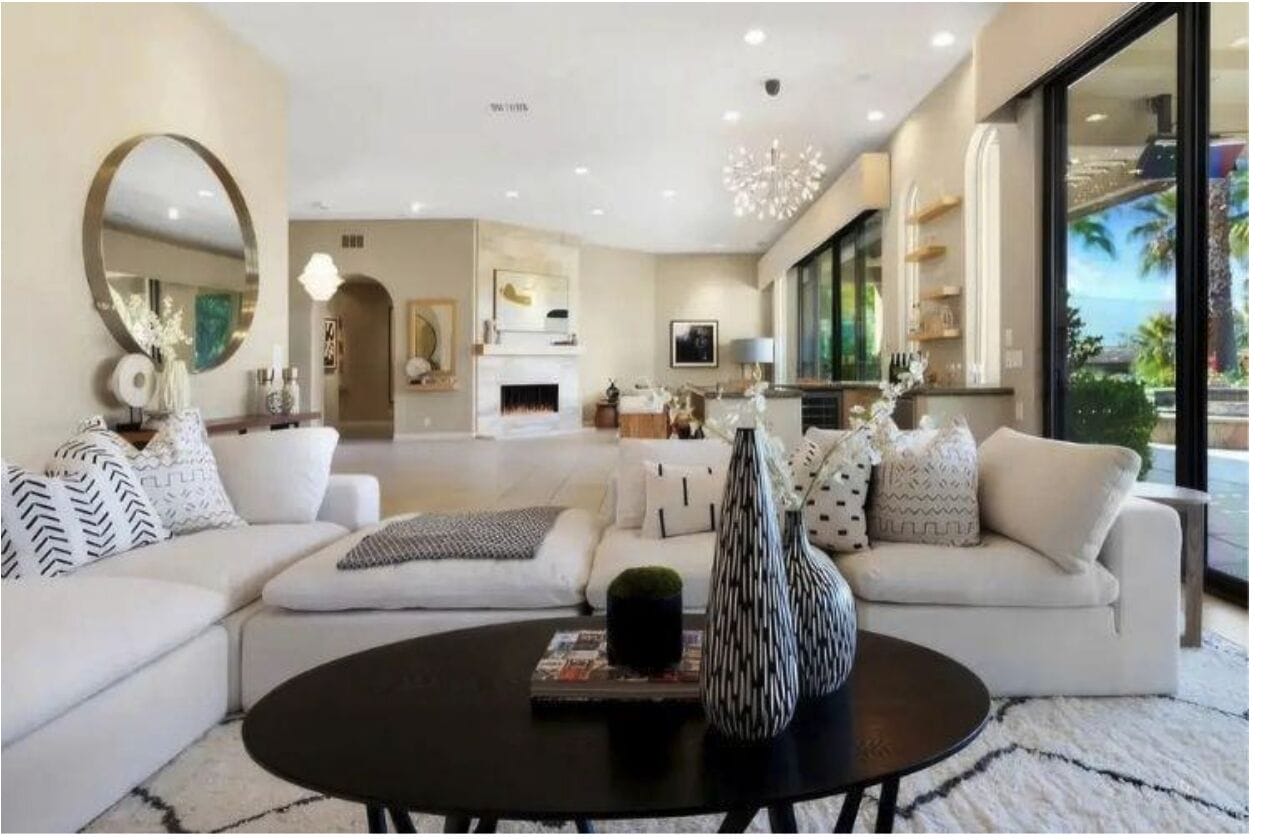
Luxury real estate is no longer defined solely by square footage, prime locations, or high-end finishes. In 2026, affluent buyers are placing increasing value on how a home functions—not just how it looks. Adaptable living spaces, once considered a niche design trend, have become a central priority for high-end homeowners seeking flexibility, longevity, and lifestyle alignment.
This shift reflects broader changes in how people live, work, and unwind. As hybrid work models persist and personal lifestyles become more dynamic, the demand for interiors that can evolve alongside their owners has grown rapidly. For developers, designers, and buyers alike, adaptability is no longer optional; it’s expected.
The Evolution of Luxury Living
Traditionally, luxury homes emphasized permanence. Formal dining rooms, dedicated lounges, and single-purpose spaces were seen as markers of prestige. Today, those rigid layouts are being reconsidered.
High-net-worth individuals are increasingly seeking homes that accommodate multiple uses within the same footprint. A living room might double as a workspace during the day and transform into an entertainment area at night. Guest rooms are expected to function as wellness spaces, offices, or media rooms when not in use.
This evolution aligns with a broader cultural shift toward intentional living. As architect Frank Lloyd Wright once noted, “The space within becomes the reality of the building.” In 2026, that “reality” is defined by versatility.
Why Adaptability Matters More Than Ever
1. Hybrid Lifestyles Are Here to Stay
The rise of remote and hybrid work has permanently reshaped how homes are used. According to a 2023 report by McKinsey & Company, more than 20% of the workforce in advanced economies continues to work remotely at least part of the week. This has blurred the lines between professional and personal spaces.
For high-end buyers, this means their homes must support productivity without sacrificing comfort. Adaptable layouts allow for seamless transitions between work and leisure, eliminating the need for strictly defined zones.
2. A Focus on Long-Term Value
Luxury buyers are increasingly viewing homes as long-term investments, financially and functionally. Adaptable spaces extend the lifespan of a home’s design, reducing the need for frequent renovations.
As real estate markets fluctuate, flexibility becomes a hedge against obsolescence. A space that can evolve with changing needs, whether that’s accommodating a growing family, aging in place, or shifting lifestyle preferences, offers enduring value.
Research from the National Association of Home Builders (NAHB) highlights growing demand for flexible floor plans, particularly among affluent buyers who prioritize customization and future-proofing.
3. The Rise of Experiential Living
Modern luxury is increasingly defined by experience rather than excess. Buyers want homes that support how they feel and live, not just how they present.
This has led to a growing emphasis on comfort, personalization, and multifunctionality. Interiors are being designed to facilitate everything from social gatherings to quiet retreats—all within the same environment.
Furniture plays a key role in this transformation. Modular solutions, such as pit couches, allow homeowners to reconfigure their spaces effortlessly. Whether hosting guests or creating a more intimate setting, these adaptable pieces support a wide range of uses without requiring structural changes.
Design Trends Driving Adaptable Spaces
Modular Design as a Foundation
Modular furniture and architectural elements are at the forefront of this shift. These systems allow components to be rearranged, expanded, or reduced depending on the homeowner’s needs.
Interior designer Kelly Wearstler has emphasized the importance of flexibility in modern design, noting that spaces should feel “collected over time” rather than fixed. Modular design supports this philosophy by enabling ongoing evolution.
Open-Concept Living, Reimagined
While open-concept layouts remain popular, they are being refined to offer more control and adaptability. Sliding partitions, movable walls, and layered zoning techniques allow homeowners to create distinct areas when needed—without sacrificing openness.
This approach balances the desire for spaciousness with the practical need for privacy and functionality.
Technology Integration
Smart home technology is also enhancing adaptability. From automated lighting and climate control to multi-functional media systems, technology enables spaces to shift atmospheres with minimal effort.
Voice-activated systems and app-controlled environments allow homeowners to customize their surroundings instantly, supporting different activities throughout the day.
The Psychology Behind Flexible Living
Adaptable spaces are not just practical; they also support well-being. Environmental psychology research suggests that having control over one’s surroundings can significantly impact stress levels and overall satisfaction.
Dr. Sally Augustin, an environmental psychologist, explains that “people are more comfortable in spaces they can control.” Adaptable interiors empower homeowners to shape their environments according to their needs, fostering a greater sense of ease and ownership.
This is particularly relevant for high-end buyers, who often seek homes that serve as both sanctuaries and social hubs.
Implications for Developers and Investors
The growing demand for adaptable living spaces is influencing how properties are designed, marketed, and valued.
Developers are increasingly incorporating flexible layouts and modular features into new builds. Properties that offer adaptability are more likely to appeal to a broader range of buyers, enhancing marketability and resale potential.
For investors, this trend presents an opportunity to align with evolving consumer preferences. Homes that prioritize flexibility are better positioned to retain value in a changing market landscape.
A Shift Toward Personalization
At its core, the demand for adaptability reflects a deeper desire for personalization. High-end buyers are no longer satisfied with one-size-fits-all solutions. They want homes that reflect their individual lifestyles and can evolve.
As designer Ilse Crawford has stated, “Design is not just what it looks like; it’s how it makes people feel.” Adaptable spaces allow homeowners to curate environments that resonate with their changing needs and preferences.
Conclusion
In 2026, adaptability has become a defining feature of luxury living. High-end buyers are prioritizing spaces that offer flexibility, longevity, and a more personalized experience.
This shift is reshaping the real estate landscape, influencing everything from architectural design to furniture choices. As lifestyles continue to evolve, the ability to adapt will remain a key driver of value and desirability in the luxury market.
For those navigating this space, whether as buyers, developers, or designers, the message is clear: the future of luxury is not fixed. It’s flexible.
References
- McKinsey & Company. (2023). Americans are embracing flexible work—and they want more of it.
- National Association of Home Builders (NAHB). What Home Buyers Really Want Report.
- Augustin, S. (2014). Place Advantage: Applied Psychology for Interior Architecture.
- Wright, F.L. Collected Writings on Architecture.
- Wearstler, K. Interviews and design commentary on modern interiors
- Crawford, I. A Frame for Life: The Designs of Studioilse