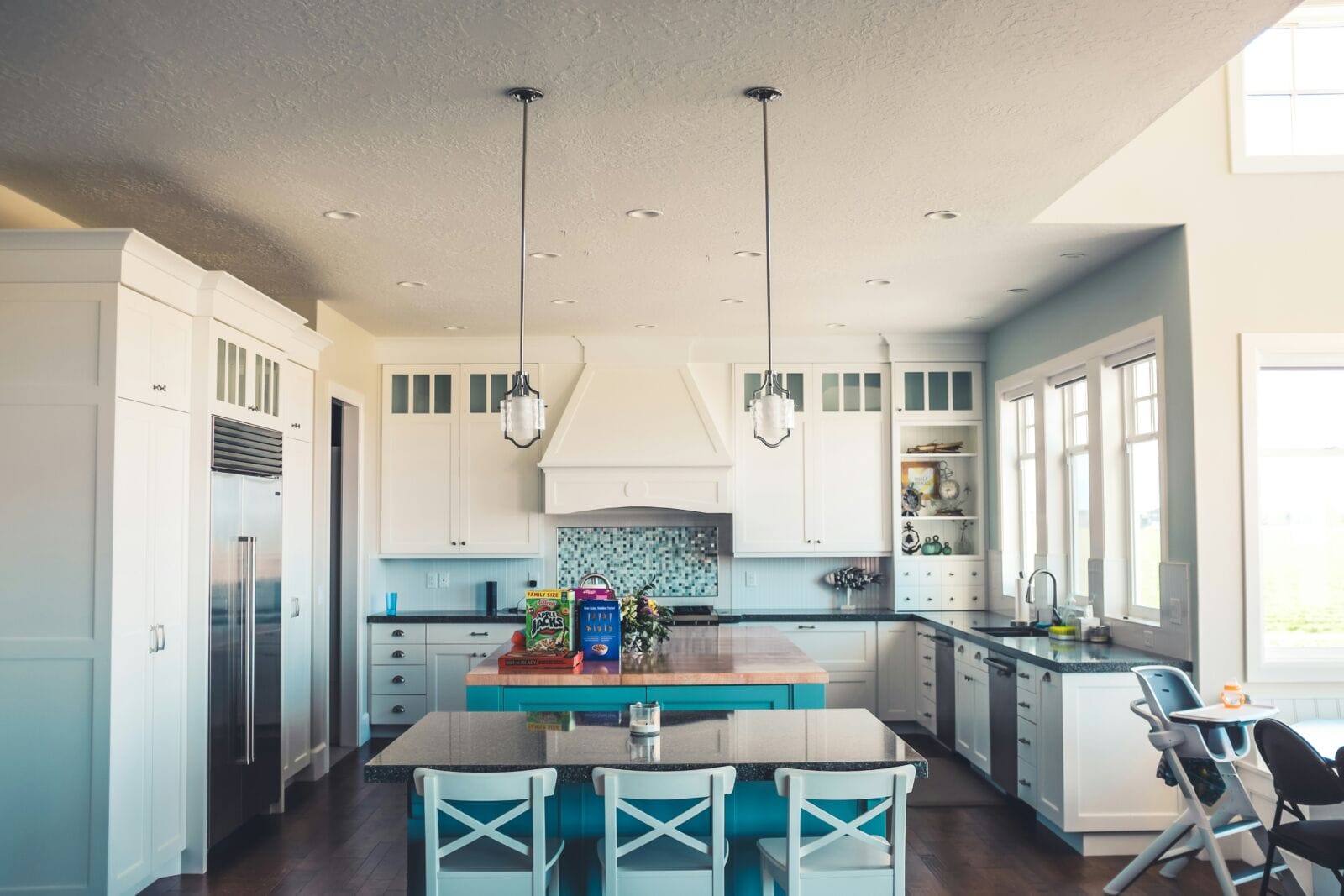
The kitchen has always been the heart of the home, but the way people approach kitchen renovation has shifted dramatically. Instead of gutting entire rooms and spending tens of thousands of dollars, homeowners are getting smarter. They are zeroing in on the components that deliver the biggest visual return for the lowest investment. And one component keeps rising to the top of that conversation.
Cabinet hardware and surface finishes get a lot of attention in design circles, but the actual structure of cabinetry is where the real transformation happens. Specifically, the front-facing panels that define how a kitchen looks from every angle. When those are outdated, worn, or simply the wrong style, no amount of new hardware or fresh paint fixes the problem completely.
This shift in thinking has pushed a growing number of homeowners toward a targeted approach: replace only what is visually broken rather than rebuilding everything from scratch. It is a renovation philosophy that prioritizes impact over scope.
The Component That Changes Everything
Designers have long known that the vertical surfaces of cabinetry carry the most visual weight in a kitchen. The doors and panels facing outward are what the eye registers first, last, and most often. This is why swapping them out produces results that feel far more dramatic than the price tag suggests.
For base cabinets specifically, the lower panels draw attention because they sit at eye level when someone is seated and at direct sightline when entering the room. Replacing quality drawer fronts through a supplier like Cabinet Door Factory allows homeowners to shift the entire aesthetic of a kitchen without touching plumbing, electrical, or cabinet boxes. The bones stay. The look changes completely.
This is also why the component replacement approach has gained traction among design-forward homeowners who want results that look custom without commissioning a full build.
DEEPER DIVE: Arizona has 6 of the 30 happiest cities in America
INDUSTRY INSIGHTS: Want more news like this? Get our free newsletter here
Material Choices Are Driving the Trend
Part of what makes this moment interesting is the range of materials now available at accessible price points. Shaker-style profiles in painted MDF dominated the last decade. What is emerging now is a broader appetite for mixed materials, wood veneer paired with matte finishes, thermofoil options that photograph well, and natural wood species that bring warmth back into kitchens that lean too clinical.
The availability of these options through direct-order suppliers has removed a barrier that once kept homeowners locked into whatever their local cabinet shop stocked. Now, a homeowner in a mid-sized market can specify the same material profile a designer in a major city would use, order directly, and have components delivered to their door.
The Budget Math That Makes This Appealing
Full kitchen renovations in the United States average between $25,000 and $50,000 depending on market and scope. Component replacement sits in a completely different bracket. Homeowners targeting only the cabinet faces, boxes intact, layout unchanged, are often completing projects for a fraction of that figure while achieving results that read as full renovations in photos and in person.
This is not a compromise approach. When the cabinet boxes are structurally sound, replacing the faces is genuinely the more precise move. It eliminates unnecessary demolition and keeps a project contained to what actually needs changing.
What This Means for the Renovation Market
The broader implication is that homeowners are becoming more sophisticated buyers. They are researching components individually, comparing suppliers, and making decisions based on material specs rather than relying entirely on a general contractor to source everything at markup.
Suppliers that offer detailed product information, clear sizing options, and direct purchasing have a real advantage in this environment. The homeowner doing a targeted upgrade wants to move efficiently, and friction in the buying process sends them elsewhere quickly.
The kitchen renovation space is not shrinking. It is restructuring around a buyer who knows exactly which component needs to change and wants a direct path to replacing it well.