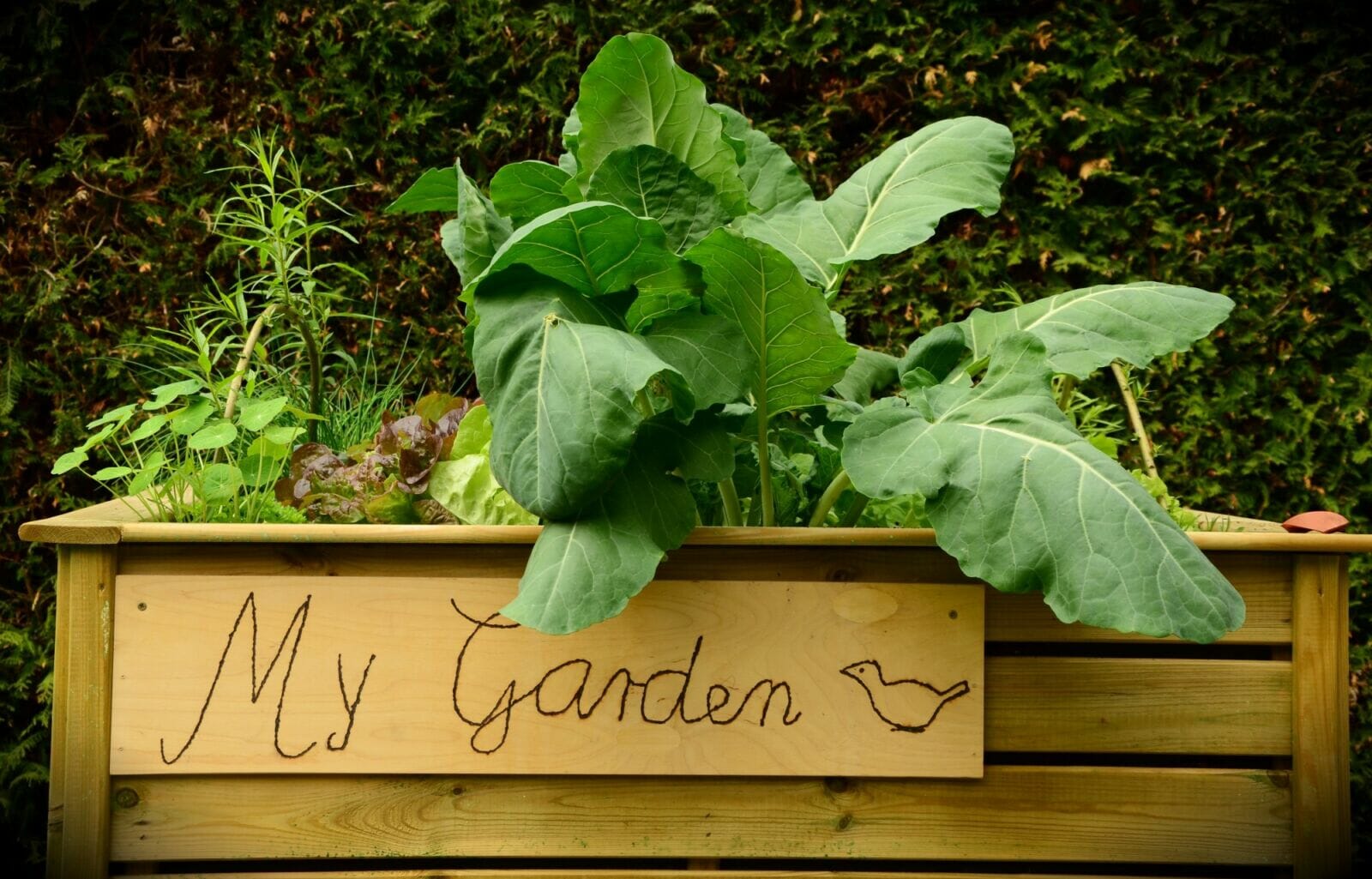
Rain can bring much-needed moisture to your garden, but heavy downpours can also create waterlogged soil, erosion, plant damage, and pest problems. Preparing your outdoor space before the rainy season arrives helps protect plants, improve drainage, and keep your garden healthy. With a few practical steps, you can turn wet-weather challenges into an opportunity for stronger, more vibrant growth.
Inspect Your Garden Before the Rains Arrive
Start by walking around your garden and examining areas that may be affected by prolonged or heavy rainfall. Look for low spots where water collects, compacted soil that drains slowly, damaged pathways, clogged drains, and weak plants that may struggle under strong winds or excessive moisture. Identifying these issues early gives you time to make improvements before the weather becomes consistently wet.
Pay close attention to areas surrounding your home, garden beds, fences, and other structures. Water that repeatedly pools near foundations or outdoor structures can contribute to moisture-related damage. If you notice recurring drainage problems, determine where the water is coming from and where it needs to flow. Sometimes a simple change in the slope of the soil can help direct excess water away from vulnerable areas.
It is also useful to inspect containers, raised beds, trellises, and garden furniture. Make sure containers have open drainage holes and that elevated structures are secure. Removing unnecessary objects from the garden reduces clutter and prevents loose items from becoming hazards during strong winds and storms.
Improve Soil Drainage and Protect Against Erosion
Healthy soil needs moisture, but too much standing water can deprive plant roots of oxygen and encourage root diseases. Before the rainy season, loosen compacted soil where appropriate and add organic matter to improve its structure. Compost and other suitable soil amendments can help create spaces that allow water and air to move through the soil more effectively.
Avoid simply adding more soil to areas that collect water without addressing the underlying drainage issue. If a garden bed sits in a naturally low area, consider creating raised beds or improving the surrounding grade. These solutions can help prevent roots from remaining saturated for extended periods.
Mulching is another useful way to prepare for wet weather. A suitable layer of organic mulch can reduce soil erosion when rain strikes bare ground and can help protect soil structure. Keep mulch slightly away from plant stems and trunks, however, because excessive moisture around the base of plants can encourage decay and create favorable conditions for pests.
For sloped gardens, take extra precautions against erosion. Dense ground cover, established roots, and carefully placed planting areas can help hold soil in place. If rainfall regularly washes soil downhill, consider using barriers or other landscaping techniques designed to slow water movement.
Prune, Support, and Protect Your Plants
Rainy weather often comes with strong winds, making plant stability especially important. Inspect trees, shrubs, vines, and tall plants for dead, weak, or damaged branches. Removing problematic growth can reduce the risk of branches breaking during storms while also improving airflow around healthy foliage.
Do not over-prune healthy plants simply because the rainy season is approaching. Excessive pruning can stress plants and expose sensitive growth. Focus instead on removing clearly damaged or unsafe branches and maintaining a balanced structure.
Tall plants and young trees may also need additional support. Check stakes, ties, trellises, and other supports to ensure they are firmly positioned. Replace rotting stakes or loose ties before strong weather arrives. Supports should stabilize plants without cutting into stems as they grow.
Container plants may require special attention. Move vulnerable pots to sheltered locations when severe weather is expected, especially lightweight containers that can easily tip over. At the same time, avoid placing plants in enclosed spaces where poor ventilation and persistent humidity could create another set of problems.
DEEPER DIVE: Ranking Arizona: Top 10 golf courses for 2026
INDUSTRY INSIGHTS: Want more news like this? Get our free newsletter here
Manage Weeds, Leaves, and Garden Debris
A clean garden is easier to manage during periods of heavy rain. Remove weeds before they spread aggressively and compete with desirable plants for nutrients, space, and sunlight. Pulling weeds while the soil is moderately moist can make removal easier, but avoid working excessively wet soil because doing so can compact it and damage its structure.
Clear fallen leaves, dead plant material, and other debris from drains, gutters, pathways, and planting areas. Organic material can block water movement and create damp hiding places for unwanted insects and other garden pests. Keeping these areas clear also makes it easier to spot problems before they become serious.
Garden tools should be cleaned and stored in a dry, protected location. Moisture can cause metal tools to rust and can shorten the useful life of wooden handles. If tools have become dirty from previous gardening work, clean and dry them before storage. Sharp, well-maintained tools are safer and more effective when you need to prune or make repairs during the wet season.
Do not automatically remove every fallen leaf from planting beds. Some organic material can contribute nutrients and soil cover when managed properly. The key is to prevent thick layers of wet debris from accumulating around plant crowns, drains, or areas where air circulation is already limited.
Prevent Rainy-Season Pest Problems
Wet weather can change the conditions throughout your garden and create new opportunities for pests. Standing water is particularly important to address because even small amounts trapped in containers, buckets, trays, clogged drains, or other objects can become breeding areas for mosquitoes.
Inspect your property regularly after heavy rain and empty anything that collects water. Turn containers upside down when they are not being used, keep drainage channels clear, and make sure rainwater can flow away rather than remain trapped. Pay special attention to hidden areas behind pots, garden equipment, and dense vegetation.
Good garden maintenance can also support natural pest management. Avoid overcrowding plants, maintain adequate spacing, and remove severely damaged foliage when appropriate. Better airflow helps foliage dry more quickly after rainfall and can reduce the conditions that encourage certain fungal problems.
If mosquito activity becomes difficult to manage despite consistent efforts to remove standing water, consulting a mosquito control company can provide additional guidance and treatment options suited to the property. Professional assistance may be particularly useful when water sources are difficult to identify or when mosquito activity remains persistent.
Adjust Your Gardening Routine for Wet Weather
Once the rainy season begins, resist the temptation to water plants according to your usual schedule. Regular rainfall may already provide enough moisture, and additional watering can leave roots saturated. Check the soil before watering and consider the amount of rain your garden has received recently.
Gardening during very wet conditions can also damage soil. Walking repeatedly across saturated beds can compact the ground, reducing the air spaces that roots need. Whenever possible, wait until the soil is workable before planting, digging, or performing extensive maintenance.
Fertilizing also requires some thought. Heavy rainfall can wash nutrients through the soil, while applying fertilizer immediately before intense rain may result in waste or uneven nutrient availability. Follow the needs of each plant and use appropriate products according to their directions rather than applying fertilizer simply because the rainy season has started.
Keep an eye on plants throughout the season. Yellowing leaves, wilting despite wet soil, soft stems, unpleasant soil odors, and sudden leaf spots can indicate that plants are struggling with excessive moisture or disease. Early observation makes it easier to adjust drainage, improve airflow, or remove affected material before the problem spreads.
Finally, make post-storm inspections part of your routine. After particularly strong weather, check for fallen branches, blocked drains, displaced mulch, damaged supports, standing water, and broken stems. Addressing small problems quickly can prevent them from becoming larger and more expensive garden issues.
Conclusion
Preparing your garden for the rainy season is about more than keeping plants watered. Improving drainage, protecting soil, securing plants, clearing debris, reducing standing water, and adjusting maintenance habits can help your garden withstand prolonged wet weather. By completing these tasks before heavy rains arrive and monitoring your garden throughout the season, you can encourage healthier plants, reduce preventable problems, and enjoy a more resilient outdoor space.