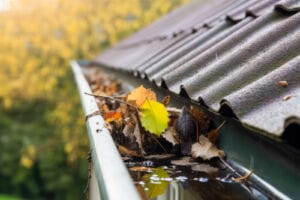
A yard can look polished and still create problems for a building. Water may collect near the foundation. Roots may push into walkways. Soil can settle beside patios. In hot places, thirsty plants can raise water use fast. In wetter areas, poor drainage can leave lawns soft for weeks. Property owners need outdoor spaces that handle real weather, not just a clean design photo. Good yard work begins with water, soil, shade, access, and maintenance. Those details decide whether the space stays useful after the first season.
Local Yard Work Starts With The Site
Property owners comparing Landscapers in Chilliwack, BC should begin with water movement and soil behavior. Chilliwack sits in the Fraser Valley, where rain and fast plant growth shape outdoor work. A crew should check where water sits after storms. They should also look at slope, shade, compacted soil, and nearby trees. Those checks matter before anyone chooses turf, shrubs, stone, mulch, or edging. A nice plan can fail quickly when drainage gets ignored.
Arizona property owners deal with a different set of problems. Heat, dry soil, monsoon rain, irrigation limits, and reflected sun can all affect outdoor areas. A yard in Phoenix will not need the same plant list as one in Chilliwack. Still, both places need the same early questions. Where does water go. Which areas stay wet or hot. Which plants will need too much care. Which surfaces push water toward the building. Those answers should guide the work before pricing starts.
Drainage Problems Do Not Stay Outside
Poor yard drainage often reaches the building. A downspout may dump water beside a wall. A patio may slope toward a door. Mulch may hide low soil near siding. A walkway may trap water after heavy rain. These problems can lead to damp basements, cracked paths, slippery entries, and soil movement. The yard may still look finished from the street. The trouble appears later, when rain keeps finding the same weak spot.
Commercial properties face the same issue in a different way. Standing water near a storefront looks careless and can create safety concerns. A muddy strip beside a parking area can annoy customers and staff. Poor grading near loading areas can damage pavement edges. In dry cities, sudden storms can expose the same mistakes fast. Hard soil may send water across walkways instead of into planted areas. Owners should ask how water leaves the property before approving new work. That one question prevents many expensive fixes.
Plants Should Match The Property
Plant choices should start with daily care, not color alone. A shrub can look perfect at planting and block a sign two years later. A tree can offer shade and still crack a walkway when placed badly. Turf can feel simple until irrigation costs climb. In wet regions, dense planting can trap moisture beside walls. In hot regions, the wrong plant mix can demand water the property owner does not want to spend. Good planting respects the building, the climate, and the owner’s maintenance budget.
Before planting begins, owners should ask:
- How much water will this area need each season?
- Will roots reach paths, drains, or foundations?
- How often will pruning be needed?
- Does this plant fit the sun exposure?
- Will the space still work in five years?
Mature Growth Changes The Plan
New plantings can make a yard look finished right away. The real test comes after roots spread and branches fill out. A narrow bed can get crowded. A young tree can shade grass that once grew well. A hedge can demand more trimming than expected. Landscapers should talk about mature size before anything goes into the ground. That conversation helps owners avoid blocked windows, crowded walkways, and early replacements. It also keeps the yard easier to maintain without constant cutting.
Hard Surfaces Need Practical Planning
Patios, paths, steps, and retaining edges carry more pressure than people notice. They deal with foot traffic, soil movement, drainage, and weather. A path without a good base can shift after wet periods. A patio with poor slope can hold puddles near the house. A retaining edge without drainage can start leaning. These failures often come from weak preparation under the surface. The finished stone may look fine at first, while the base already has problems.
Maintenance Decides Long Term Value
A yard project does not end when the crew leaves. Beds need weeding, pruning, soil care, and mulch renewal. Drains need clearing. Trees need attention before branches create damage. Irrigation should be checked as seasons change. A design that needs more care than the owner can provide becomes expensive quickly. Overgrown plants can hide pests, block airflow, and push against siding. Clogged drains can undo careful grading after one wet week.
Owners should ask for a realistic care plan before approving major work. Commercial sites may need steady upkeep because customers notice entrances first. Residential properties need maintenance that fits family time and budget. Rental properties need durable choices that survive uneven care. The best outdoor work is not the fanciest. It is the work that still makes sense after weather, growth, and regular use. A good yard protects the building while staying manageable year after year.