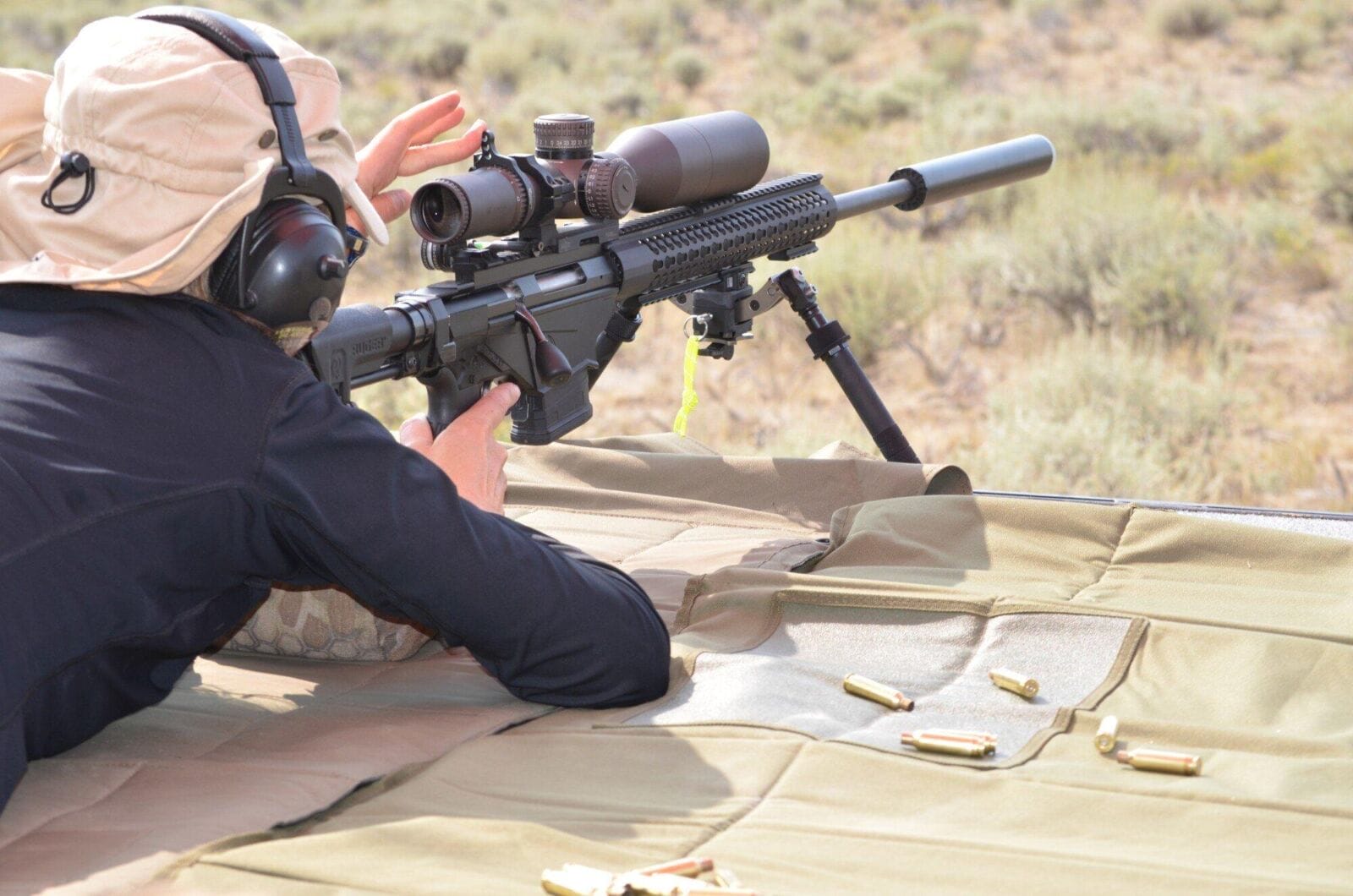
A compatible silencer setup depends on more than matching a cartridge to a bore size. Barrel length, muzzle threads, firearm operation, attachment method, and supporting accessories must also work together. Buyers who review only one specification may select a correct main unit but order an unsuitable mount or adapter. Specialized retailers can point customers toward official product pages, manuals, and fitment charts before purchase. The following sections explain how these resources help buyers verify each part of the intended setup.
Compare the Cartridge With Published Ratings
A specialized silencer store can help customers locate the listed caliber and cartridge ratings for available models. These ratings provide a reliable starting point because they reflect the applications documented for each product. Buyers should confirm the exact cartridge instead of relying on a general caliber family or the visible size of the bore.
Some models support several cartridges, but that does not mean they suit every firearm chambered within those categories. Product manuals and specification pages may list additional conditions that affect the selection. Reviewing those details first helps customers focus on models designed for the intended firearm and ammunition.
Verify the Required Barrel Length
Manufacturers may publish minimum barrel lengths for certain cartridge and product combinations. These limits matter because short barrels can create different pressure and heat conditions than longer configurations. Buyers should therefore confirm the actual barrel measurement before comparing suitable options.
The firearm’s standard model name may not provide enough information when several barrel versions exist. A compact, pistol-length, or custom configuration may use a different measurement from the common factory option. Matching the confirmed length with current documentation prevents assumptions during product selection.
Confirm Muzzle Threads Before Selecting a Mount
Direct-thread mounts come in several diameters and thread pitches. Two firearms that use the same cartridge may still have different muzzle thread patterns. Buyers must identify the exact barrel specification before ordering a fixed mount, piston, adapter, or compatible muzzle device.
Information to Prepare Before Purchase
A buyer can gather several details before requesting product guidance:
- Exact firearm make and model
- Specific cartridge designation
- Confirmed barrel length
- Muzzle thread diameter and pitch
- Current muzzle device or adapter
- Preferred attachment system
This information allows the retailer to compare the intended setup with official fitment resources.
Keep the Mounting Components Within One System
Attachment methods may include direct-thread mounts, muzzle-device-based systems, three-lug adapters, or other model-specific interfaces. Each option requires components designed to connect with that particular system. A mount from one interface should not be assumed to fit another without documented approval.
A specialized store can direct buyers to accessory charts that organize mounts and related parts by product family. This review helps identify which muzzle device, adapter, or retaining component belongs with the selected model. It can also show whether a required part comes with the product or needs a separate purchase.
Account for Fixed and Tilting Barrel Operation
Certain semiautomatic pistols use a tilting barrel and may require a compatible booster assembly and piston. Fixed-barrel firearms use a different attachment arrangement. A spring-loaded pistol configuration should not be treated as a universal option for every host firearm.
WOMEN IN BUSINESS: The Most Influential Women in Arizona for 2026
WOMEN IN REAL ESTATE: The Most Influential Women in Commercial Real Estate for 2026
Fixed-Barrel Components Need Specific Fitment
Some compatible booster assemblies can use a fixed-barrel spacer in place of the spring. The spacer allows that assembly to function in a fixed configuration, but it must match the related piston and booster family. Official instructions should confirm the approved arrangement before the parts are combined.
A silencer store can help buyers approach compatibility with greater care before completing a purchase. Access to current fitment guides, product manuals, and accessory information makes it easier to compare cartridge ratings, barrel limits, thread patterns, mounts, and supporting parts. A complete compatibility review helps create a coordinated setup based on documented specifications rather than assumptions.