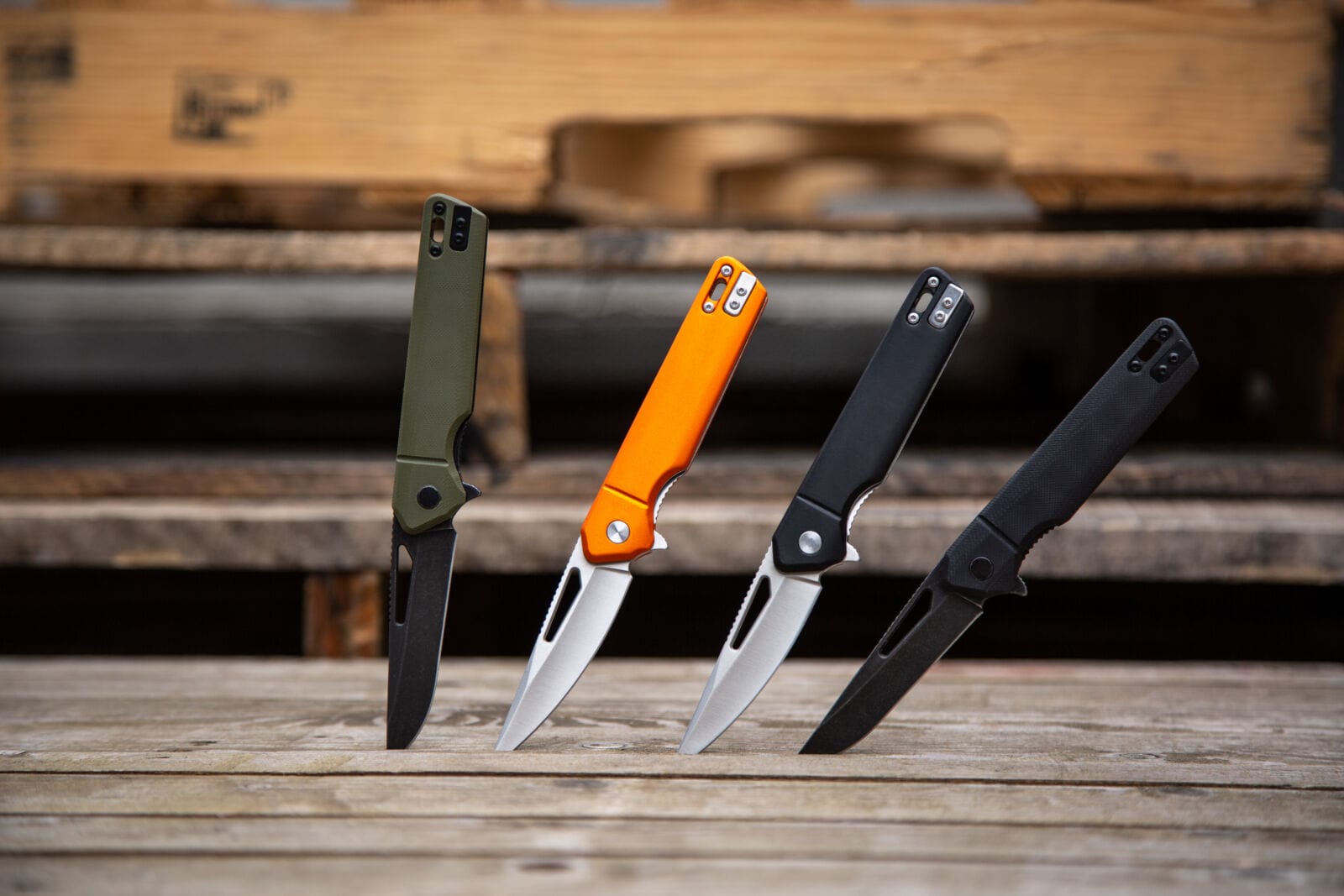
Pocket knives and folding knives come in many shapes and sizes, but one of the biggest differences between them is how they open. Some knives open with a thumb stud. Others flip open with spring assistance. Some use a button or switch to deploy the blade quickly. These opening systems, called knife-opening mechanisms, can affect how a knife feels, performs, and handles during everyday use.
Many people shopping for knives first notice blade shape or handle style. But the opening mechanism matters just as much. It can change how fast the knife opens, how easy it is to use with one hand, and how comfortable it feels during daily tasks. Whether you carry a knife for work, outdoor activities, utility tasks, or general preparedness, understanding opening mechanisms can help you choose the right fit.
OTF knives are a popular style. “OTF” stands for “out the front,” meaning the blade slides straight out from the front of the handle instead of folding outward. These knives are known for fast deployment and compact designs, but they are only one of several popular opening styles available today.
In this guide, we’ll break down the most common knife-opening mechanisms, explain how they work, and explore how each affects ease of use, safety, speed, and practicality.
Why Knife Opening Mechanisms Matter
The way a knife opens changes the overall user experience. A good opening system can make a knife feel fast, natural, and reliable. A poor fit for your needs may feel awkward or inconvenient.
Here are a few reasons opening mechanisms are important:
- Speed: Some knives open almost instantly, while others require slower, two-handed operation.
- Ease of Use: Certain systems work better for beginners or users wearing gloves.
- Safety: A strong locking and opening mechanism can help prevent accidental closure during use.
- Maintenance: Some opening systems have more moving parts and require extra cleaning.
- Daily Practicality: Your environment and intended tasks can influence which mechanism works best.
Understanding these factors helps narrow your choices before buying a knife.
Manual-Opening Knives
Manual-opening knives are among the most common styles available. These knives rely entirely on hand pressure to open the blade.
Thumb Studs
A thumb stud is a small metal peg attached to the blade. You push it with your thumb to rotate the blade open.
Benefits
- Simple and reliable
- Easy to maintain
- Often lightweight and compact
- Good for everyday carry
Drawbacks
- Can be slower than assisted systems
- May feel stiff when brand new
- Sometimes harder to use with gloves
Thumb-stud knives are popular because they balance simplicity and functionality. Many users like the control they provide during opening.
Nail Nicks
Nail nicks are small grooves cut into the blade. You use your fingernail to open the blade.
Benefits
- Traditional and straightforward
- Fewer moving parts
- Often found on classic folding knives
Drawbacks
- Usually requires two hands
- Slower deployment
- Less convenient during fast tasks
These knives are commonly used for light-duty cutting tasks and outdoor activities where speed is less important.
Assisted-Opening Knives
Assisted-opening knives use a spring mechanism to help deploy the blade as you manually open it.
You still start the opening motion yourself, usually with a thumb stud or flipper tab, but the spring quickly completes the action.
Why People Like Assisted-Opening Knives
Assisted-opening designs have become very popular because they combine speed with user-friendly operation.
Benefits
- Quick Deployment: Once activated, the blade opens rapidly and smoothly.
- Easy One-Handed Use: These are helpful when your other hand is occupied.
- Convenient for Everyday Tasks: Great for opening boxes, cutting rope, or handling utility work.
- Comfortable for New Users: Many people find assisted opening easier than stiff manual folders.
Some popular assisted-opening designs can be found across brands like Cobra TEC Knives, which are known for fast-opening mechanisms and practical everyday carry designs.
Drawbacks of Assisted Opening Knives
- Springs may require occasional maintenance.
- Dirt and lint can build up inside the mechanism.
- Some areas have restrictions on certain assisted-opening designs.
Despite these drawbacks, assisted-opening knives remain one of the most common choices for everyday carry.
Flipper Knives
Flipper knives use a small tab extending from the back of the blade. You press the tab with your finger to deploy the knife.
Many flippers also use ball-bearing pivot systems, allowing the blade to open fluidly.
Benefits
- Fast opening
- Comfortable one-handed operation
- Often includes strong locking systems
- Fun and satisfying to use
Drawbacks
- Pocket lint can affect performance over time
- Some models may require adjustment to stay effortless
- Large flipper tabs may snag on pockets
Flipper knives are especially popular with users who want quick access and better operation without relying on automatic systems.
Automatic Knives
Automatic knives use a button or switch to deploy the blade automatically.
These knives come in two main styles:
- Side-opening automatics
- Out-the-front (OTF) automatics
Side-Opening Automatics
These open similarly to standard folding knives, except the blade deploys using a spring-loaded button.
OTF Knives
OTF knives push the blade straight forward from the front of the handle.
Benefits of Automatic Knives
- Very Fast Deployment: Excellent for situations where quick access matters.
- Easy One-Handed Operation: Helpful during work or outdoor activities.
- Compact Designs: Many automatic knives fit comfortably in pockets.
- Modern Features: These often include durable handles, pocket clips, and premium blade steels.
Drawbacks
- More moving parts than manual folders
- Require regular cleaning to maintain reliability
- Laws vary depending on location
Automatic knives appeal to many users because of their speed and convenience, but it’s important to check local regulations before purchasing one.
Frame Locks and Liner Locks
While technically locking systems rather than opening mechanisms, frame locks and liner locks play a major role in how folding knives function.
Liner Locks
A thin metal liner inside the handle moves into place behind the blade when the knife is opened.
Frame Locks
Part of the knife handle itself acts as the locking mechanism.
Why Locks Matter
A strong lock improves safety during use. It helps prevent the blade from accidentally folding closed while cutting.
Benefits
- Secure blade lockup
- Simple operation
- Lightweight designs
Drawbacks
- Some locks are harder for beginners to close safely.
- Dirt buildup may affect long-term performance.
Good locking systems help improve overall confidence while using a knife.
Ball Bearing and Washer Systems
Knife pivots often use either washers or ball bearings to help the blade open smoothly.
Washer Systems
Washers are simple rings placed around the pivot.
Benefits
- Durable and dependable
- Easier to clean
- Good for dirty environments
Ball Bearing Systems
Small bearings allow better blade movement.
Benefits
- Very smooth opening action
- Fast deployment
- Popular in premium folders
Some premium everyday carry models, including many Benchmade knives, use high-quality pivot systems that improve opening feel and long-term durability.
Choosing the Right Opening Mechanism
Not every knife opening system fits every user. The best choice depends on how you plan to use the knife.
For Everyday Carry
Many people prefer:
- Thumb stud knives
- Flipper knives
- Assisted-opening folders
These options balance speed, comfort, and practicality.
For Outdoor Use
Hikers, campers, and hunters often value:
- Simple manual folders
- Strong locking systems
- Easy-to-clean designs
Reliability matters more than speed in rough outdoor conditions.
For Work and Utility Tasks
Users working with boxes, rope, or tools may prefer:
- Assisted-opening knives
- Automatic knives
- One-handed operation
Quick deployment can save time during repetitive tasks.
For Beginners
Simple manual-opening knives are often easiest to learn with because they provide better control and fewer moving parts.
Knife Safety Tips
No matter which opening mechanism you choose, safe handling is extremely important.
1. Keep Fingers Clear
Always keep fingers away from the blade path while opening or closing the knife.
2. Use the Lock Properly
Make sure the blade is fully locked before using the knife.
3. Keep the Knife Clean
Dust, lint, and dirt can affect opening performance.
4. Store Safely
Keep knives closed and stored securely when not in use.
5. Learn the Mechanism
Spend time practicing how your knife opens and closes before using it regularly.
Maintenance and Care
Regular maintenance helps folding knives perform evenly over time.
Basic Knife Maintenance
- Wipe down the blade after use.
- Add a small amount of lubricant to the pivot.
- Tighten screws if they loosen.
- Clean dirt from locking areas.
- Sharpen the blade regularly.
Simple care routines can greatly improve the life of your knife.
Final Thoughts
Knife opening mechanisms affect much more than just speed. They influence comfort, safety, reliability, and overall user experience. Manual-folding knives offer simplicity and durability. Assisted-opening knives provide convenience and quick access. Flippers deliver easy action, while automatic and OTF knives prioritize fast deployment and compact design.
The best choice depends on your daily needs, comfort level, and intended use. Someone carrying a knife for basic utility tasks may prefer a simple thumb stud folder, while another user may want the quick deployment of an automatic knife for work or outdoor activities.
As you explore different knife styles, focus on practical features that match your routine. A good knife should feel comfortable, easy to operate, and dependable over time. With the right opening mechanism, your knife can become a useful everyday tool that fits naturally into your daily carry setup.