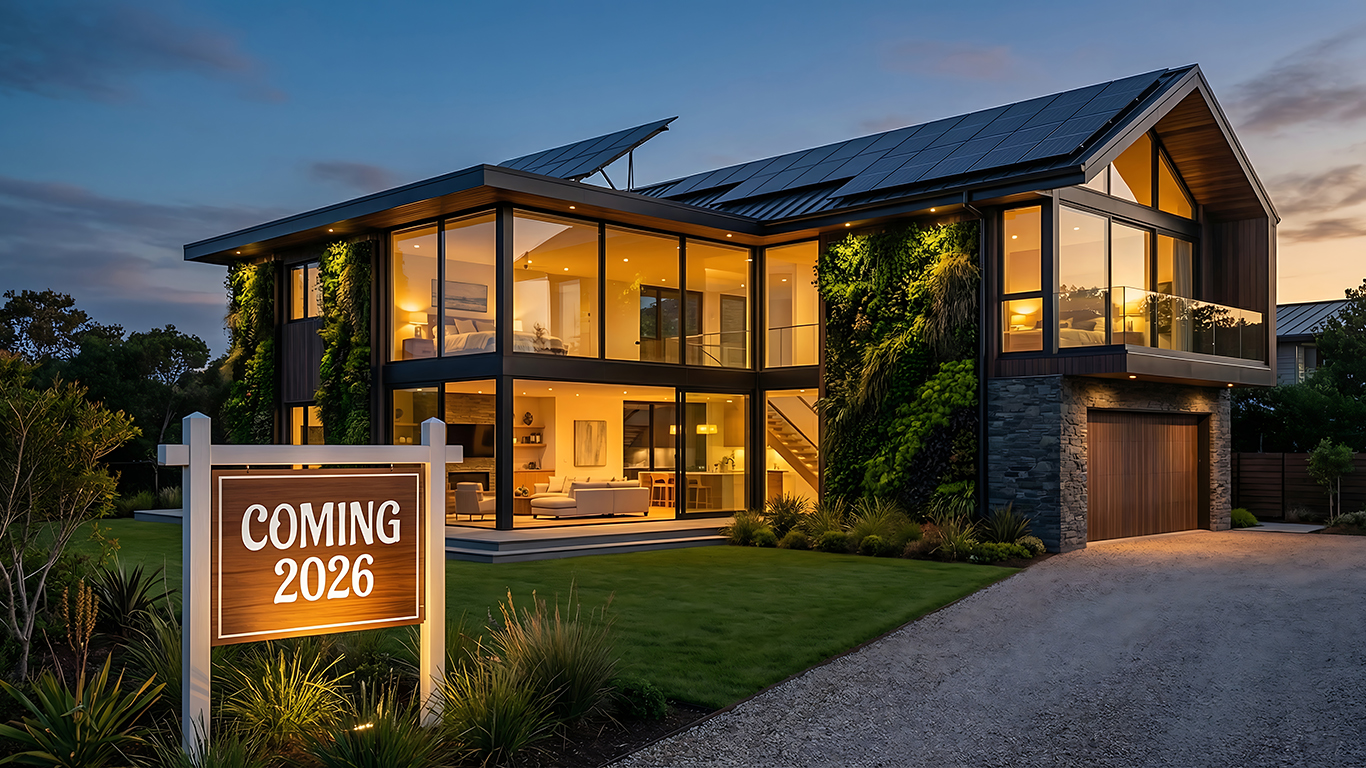
Rooms that once felt acceptable now seem darker than people want to live with. After years of kitchen tables doubling as desks, corners becoming homework spots and family rooms working harder, natural light has moved from a nice extra to something many homeowners actively plan around.
Light-filled design is not only about big panes of glass. It’s about how a home feels through the day, how rooms connect, and whether the layout makes ordinary tasks feel cramped or open. That is why modern extensions, internal glazing and roof lights have become such familiar parts of renovation conversations.
Light changes how a room is used
A bright kitchen can become the place where people linger after breakfast. A dim dining room may be ignored until guests arrive. Light affects habits because people naturally drift towards rooms that feel comfortable without needing every lamp switched on.
Modern house extensions often try to correct the older pattern of narrow rear rooms and disconnected kitchens. The most successful projects do more than add floor space, because extensions that draw daylight into older homes can change how the original rooms are used too.
Shape matters as much as size
A larger room isn’t automatically brighter. Deep floor plans, bulky furniture and awkward openings can leave the middle of a room feeling gloomy, even when the back wall is full of glass. Before adding more floor area, it helps to think about the path daylight will take once furniture, doors and daily clutter are back in place.
A gable conservatory suits homes where height and shape matter as much as footprint, because the roofline draws the eye up and allows the new space to feel open rather than added on as a low, flat box.
Borrowed light is becoming part of the plan
Not every room can have a new window, especially in terraces, side returns and homes with neighbouring walls close by. Designers increasingly use glass doors, internal windows, pale surfaces and reflective materials to move daylight further into the plan, so a hallway or middle room benefits from changes made elsewhere.
Mirrors and lighter finishes don’t replace architecture, but they can help. In rooms that struggle for brightness, reflecting natural light with mirrors can make daylight travel further than it would through furniture and darker wall colours.
Privacy still needs thought
More glass brings new questions. A room can be beautifully bright and still feel exposed if neighbours look straight in or the evening turns every window into a mirror. Good design balances openness with blinds, planting, roof glazing, side screens or careful furniture placement.
The aim is not to live in a showroom. It’s to create a home where light improves daily life without making people feel watched or uncomfortable.
The best bright spaces still feel lived in
Light-filled rooms work when they support real routines. Breakfast, work calls, homework, quiet reading and late dinners all ask different things from the same space, so daylight has to be matched with good evening lighting and furniture that can cope with everyday use. The homes that get this right use brightness as a starting point, then add texture, layout and lived-in detail so the room still feels welcoming after dark.