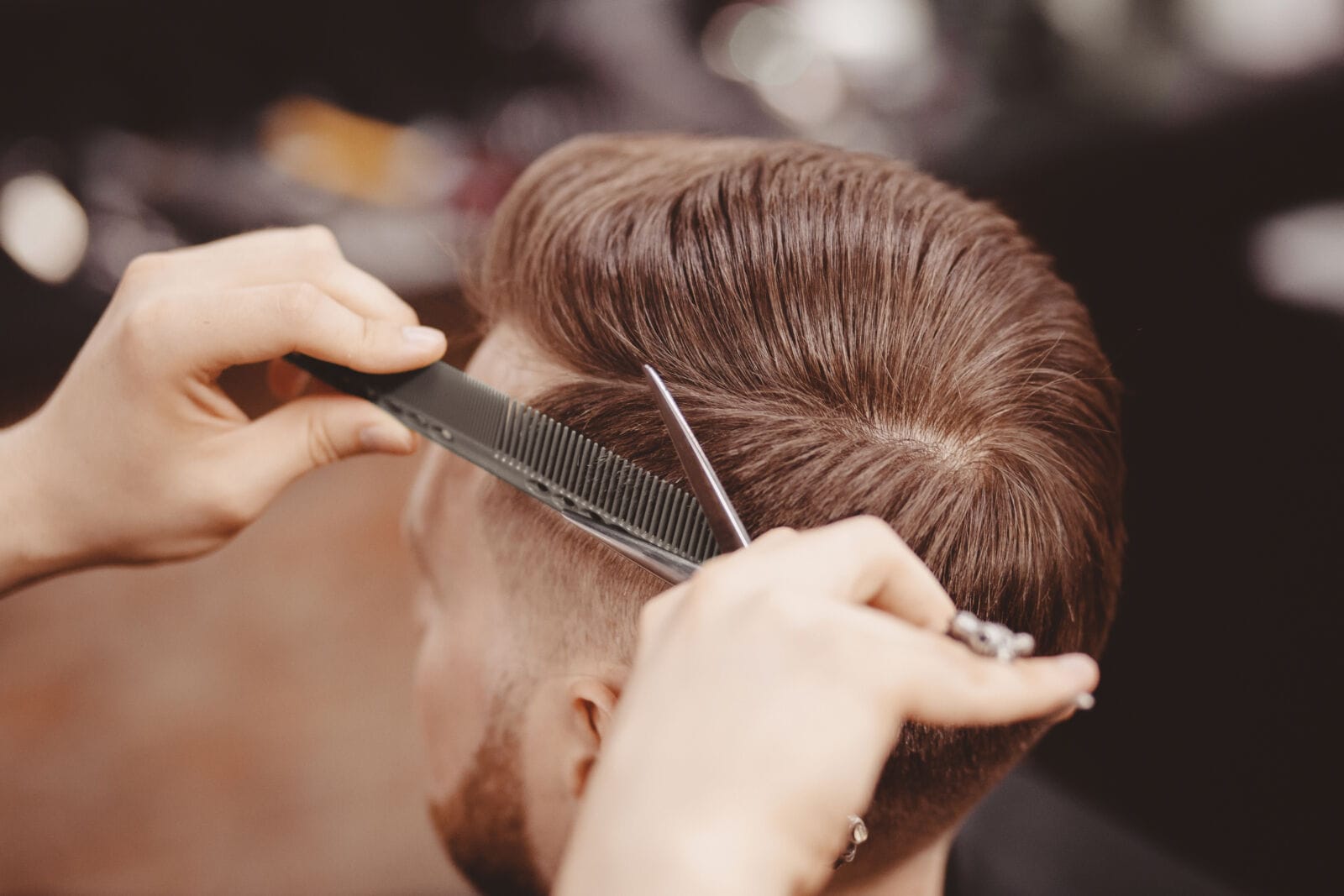
A great haircut should look good beyond the salon mirror. The most wearable choice considers your natural texture, hair density, face proportions, climate, and the amount of time you actually want to spend styling each day. If you are comparing haircuts in Fort Myers, Paul Mitchell The School Fort Myers offers guest haircut services in a student salon setting, where Future Professionals practice foundational and advanced cutting techniques with guidance from licensed instructors. Located in Fort Myers, Florida, the school’s haircut service page describes consultation-based cuts and styling for guests who want to discuss their preferred length, texture, upkeep, and finished look before making a change.
The goal is not to find one universally flattering style. It is to choose a shape that supports the way your own hair grows, moves, dries, and fits into everyday life. A popular cut can be a useful starting point, but the right version may look different on every person.
Why the Right Haircut Is More Than a Trend
Two people can request the same bob, fringe, or layered cut and leave with very different results. Density, cowlicks, curl pattern, shrinkage, previous color services, and usual styling habits all influence the finished shape. The best haircut is one that still feels intentional after a humid commute, a workout, or a simple air-dry day.
Start With Hair Texture and Density
Texture describes whether hair is straight, wavy, curly, or tightly coiled. Density describes how much hair is growing on the head. Fine but dense hair may need a different plan than coarse hair with lower density. Thick hair often benefits from carefully placed internal weight removal, while fine hair may look fuller with a cleaner perimeter and fewer aggressively cut layers.
Natural bends, curls, and coils usually respond best when the haircut leaves room for movement. Ask how the stylist plans to shape the hair when it is worn naturally, not only when it is blown smooth. For people who regularly use hot tools, the American Academy of Dermatology offers practical guidance on styling hair without unnecessary damage, including using lower heat and allowing hair to air-dry when possible.
Use Face Shape as a Guide, Not a Rule
Oval, round, square, heart, and longer face shapes can help you think about visual balance, but most people are a blend of features. Length, layers, fringe, and volume can shift where the eye lands. A rounder face may enjoy height at the crown or longer face-framing pieces. A square jaw can look striking with a blunt cut or softer with textured layers. Focus on the features you want to highlight, such as cheekbones, eyes, jawline, or neckline.

Match the cut to your daily routine:
- Quick mornings: Choose soft layers, a textured crop, or an air-dry-friendly shape.
- Frequent workouts: Keep enough length to tie back, clip up, or refresh easily.
- Polished styling: Ask for a cut designed to support blow-drying, round-brush work, or heat styling.
- Low heat use: Prioritize a shape that follows the natural wave, curl, or coil pattern.
- Changing looks: Preserve enough length for ponytails, braids, clips, and simple updos.
Consider Climate and Local Lifestyle
Heat and humidity can make hair expand, flatten, curl more strongly, or lose a polished finish faster. In Fort Myers, where warm and humid conditions are common, ask how the cut will behave outdoors, after exercise, and between washes. A flexible shape with balanced weight often grows out more gracefully than a highly precise style that depends on daily heat styling.
WOMEN IN BUSINESS: The Most Influential Women in Arizona for 2026
WOMEN IN REAL ESTATE: The Most Influential Women in Commercial Real Estate for 2026
Popular 2026 Haircut Directions
Current haircut ideas lean toward soft layers, relaxed fringe, flexible bobs, airy shaping, and texture that looks touchable rather than overly fixed. These looks can be adapted for short, medium, or long hair. If you like a dramatic statement cut, ask for a softer version that keeps the key idea while making styling and grow-out more manageable.
Bring Better Inspiration Photos to the Consultation
Bring two or three photos rather than one heavily filtered image. Point out whether you like the length, bangs, movement, fullness, silhouette, or styling. A back or side view is especially useful. Also share what has not worked before, including ends that felt too thin, bangs that separated, layers that disappeared, or a shape that demanded more effort than expected.
Questions to Ask Before the Cut Begins
- Will this shape work with my natural texture?
- How much styling will it need each morning?
- How will it grow out over the next several weeks?
- What length should stay for tying it back?
- Which products are helpful, and which are optional?
- How often should I refresh the shape?
Simple Haircut Decision Checklist
- Know your natural texture and density.
- Decide how much daily styling time is realistic.
- Consider humidity, work, school, exercise, and events.
- Choose the features you want the haircut to frame.
- Set a maintenance schedule you can realistically keep.
Common Questions
What haircut works best for a round face?
There is no single best option. Longer framing pieces, soft angles, side volume, or height near the crown can create balance, but a short bob or bold fringe can also work when tailored to your features and preferred style.
Should hair texture matter more than face shape?
For daily upkeep, texture often matters more. A face-flattering cut that ignores natural movement may be difficult to recreate at home. Start with how the hair behaves, then adjust the outline to complement your features.
Are low-maintenance haircuts still stylish in 2026?
Yes. Many current looks emphasize softness, movement, and adaptable styling. Low maintenance does not mean shapeless. It means the haircut still works when you do less.
How often should a haircut be refreshed?
Short, precise cuts commonly need more frequent appointments, while longer blended layers can often go longer between visits. Growth rate, fringe length, and how polished you want the outline to remain all affect timing.
What if I am unsure about a major change?
Start smaller with face-framing layers, a softer fringe, modest length removal, or texture around the ends. You can always make a bigger change later, but a gradual approach makes it easier to learn what suits your routine.
Final Thoughts
The best haircut balances personal style with real life. Let trends inspire you, then use texture, face shape, climate, and daily habits to make the style your own. A clear consultation and realistic maintenance plan can turn a haircut you admire in a photo into one you enjoy wearing every day.