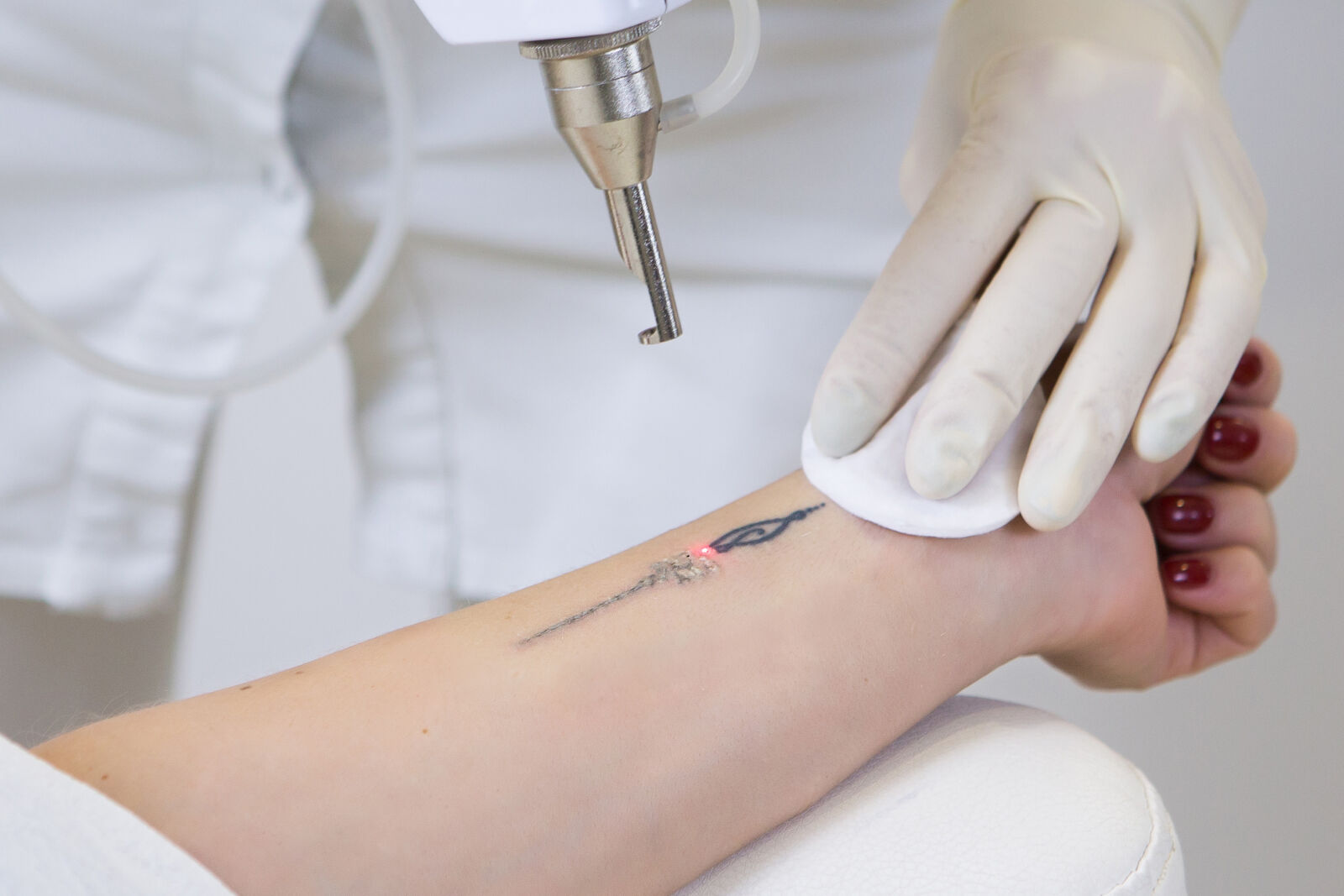
Removing a tattoo is not as simple as booking a laser session and walking out ink-free. The equipment used, the qualifications of the person operating it, and the clinic’s approach to aftercare all affect how well a tattoo fades and how your skin responds along the way. With laser tattoo removal clinics opening in nearly every suburb, picking the right one takes more than a quick Google search and a glance at the price list.
Check the Technology and Equipment Used
Not all lasers are built the same, and this matters more than most people realize. Q-switched Nd:YAG lasers have been the standard for years, but picocosecond lasers, which deliver energy in trillionths of a second, tend to break down ink particles more efficiently with less damage to surrounding skin.
Ask the clinic directly what device they use and how old it is. A clinic running outdated equipment might charge less per session, but you could end up needing twice as many appointments to get the same result. Newer picosecond technology often handles stubborn colors like green and blue more effectively than older machines.
Ask About Staff Qualifications and Medical Oversight
Laser tattoo removal is a medical procedure, even though it’s often marketed alongside beauty treatments. Find out whether the person handling the laser is a nurse, dermatologist, or a technician with laser-specific certification, and whether a doctor is involved in creating the treatment plan or handling complications.
In New South Wales, there’s no single licensing body that governs every aspect of laser tattoo removal, which makes it especially important to ask questions upfront. A reputable clinic should have no problem explaining their staff’s training background and how they screen clients for skin type, medical history, and potential contraindications like certain medications or skin conditions.
Look Into Experience With Different Skin Tones and Ink Colors
Tattoo removal outcomes vary significantly depending on skin tone and the colors used in the original tattoo. Darker skin tones carry a higher risk of pigmentation changes if the laser settings aren’t calibrated correctly, and colors like yellow, white, and light green have always been harder to remove than black or dark blue.
Ask to see before-and-after photos of clients with similar skin tones and tattoo colors to your own. A clinic with a genuinely broad portfolio will have this kind of documentation readily available, not just a handful of dramatic before-and-after shots of black ink on fair skin.
Understand the Treatment Plan and Expected Number of Sessions
A responsible clinic won’t promise a tattoo will vanish in two or three sessions unless there’s a real basis for that estimate. Most tattoos take somewhere between six and twelve sessions, spaced six to eight weeks apart, depending on ink density, tattoo age, and the layering technique originally used by the tattoo artist.
During the consultation, the clinic should walk you through a realistic timeline based on an actual assessment of your tattoo, not a generic quote. If a clinic guarantees rapid, guaranteed removal without examining the tattoo in person, treat that as a warning sign rather than a selling point.
Consider Aftercare Support and Safety Protocols
What happens after the laser session matters just as much as the treatment itself. Skin needs time to heal between sessions, and clinics should provide clear, written aftercare instructions covering blistering, sun exposure, and signs of infection.
Ask what happens if you experience an unexpected reaction, such as excessive blistering or hyperpigmentation. Clinics offering safe and effective tattoo removal Sydney, NSW residents can rely on typically have a clear protocol for follow-up care and direct access to a medical professional if something doesn’t look right between sessions, rather than leaving clients to sort it out on their own.
Compare Pricing Structures and Hidden Costs
Pricing for tattoo removal is usually based on the size of the tattoo and billed per session, but the way clinics structure this varies widely. Some charge a flat fee per session regardless of progress, while others offer package deals that can lower the overall cost if you commit to a full course of treatment upfront.
Get a written quote that outlines what’s included, whether numbing cream or aftercare products cost extra, and what happens if more sessions are needed than originally estimated. A clinic that hesitates to put pricing details in writing is one to think twice about.
Read Reviews and Ask for Before-and-After Photos
Online reviews reveal a lot about how a clinic handles communication, pain management, and unexpected complications. Look for patterns rather than isolated complaints, and pay attention to how the clinic responds to negative feedback.
Request recent before-and-after photos, ideally from clients whose tattoos resemble your own in size, color, and placement. This gives a far more accurate sense of what to expect than marketing images pulled from a stock photo library.
Choosing a tattoo removal clinic is really about choosing a medical provider, so the same scrutiny applied to picking a doctor or dermatologist should apply here. Take the time to ask direct questions about equipment, staff training, and realistic outcomes before committing to a course of treatment. The right clinic will welcome those questions rather than rush past them.