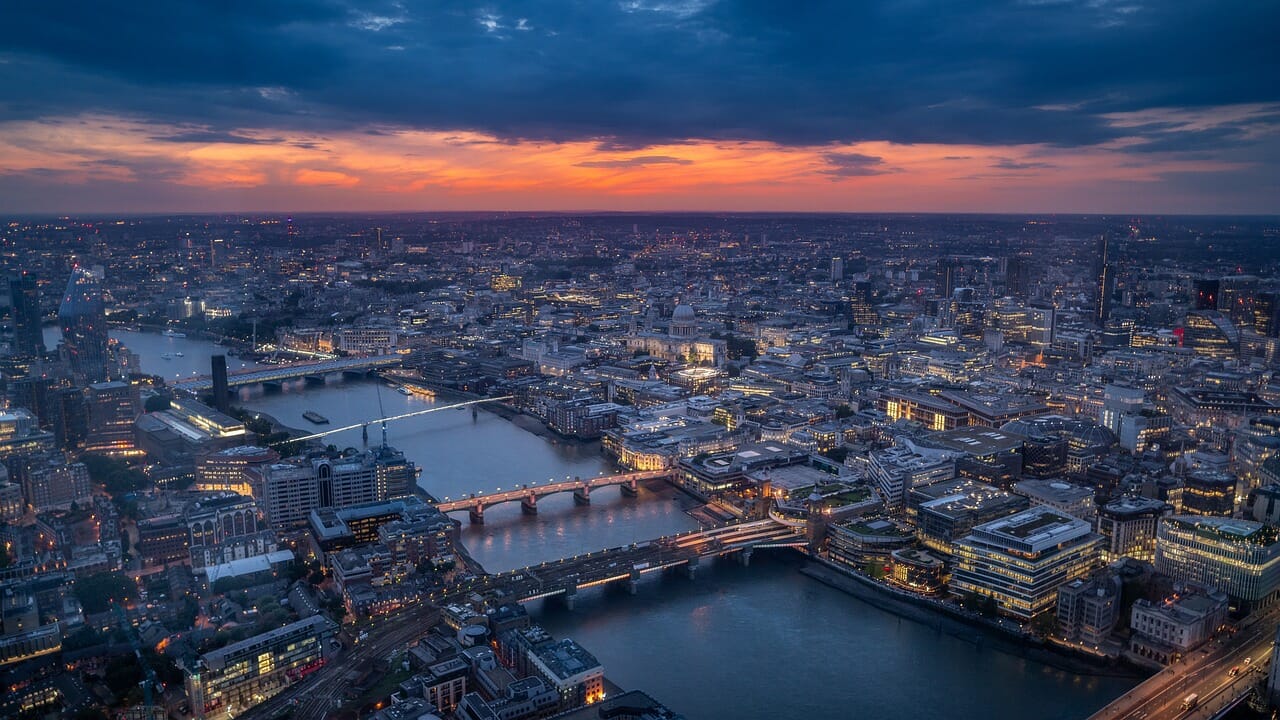
London packs more history, culture, and sheer variety into its square mileage than almost any other city on earth. With over 170 museums, 3,000 parks, and a transport network that can get you from a medieval church to a modern skyscraper in twenty minutes, deciding what to prioritize can feel overwhelming. This guide narrows it down to ten experiences that consistently deliver, whether you have three days or three weeks to explore.
Explore the British Museum
The British Museum holds more than eight million objects, though only about 80,000 are on display at any given time. The Rosetta Stone and the Parthenon sculptures draw the biggest crowds, but the Egyptian mummy rooms and the Sutton Hoo Anglo-Saxon treasures are worth just as much attention. Admission is free, though special exhibitions carry a ticket price. Arrive right when it opens at 10am to beat the tour groups that fill the Great Court by midday.
Walk Across Tower Bridge and Visit the Tower of London
The Tower of London has stood on the Thames since William the Conqueror began building it in 1078, and it has served as a royal palace, armory, and prison over its nine centuries of use. The Crown Jewels, including the Cullinan I diamond at over 530 carats, are on display inside the Jewel House. Just outside, Tower Bridge offers a glass-floored walkway 42 meters above the river for anyone willing to look straight down at the traffic below. Book Tower of London tickets in advance online, since walk-up prices run higher and queues can stretch past 45 minutes in summer.
Ride the London Eye
The London Eye rotates slowly enough that boarding happens without stopping the wheel, and a full rotation takes about 30 minutes. Each of its 32 capsules holds up to 25 people and offers views stretching up to 40 kilometers on a clear day. Sunset slots sell out fastest, so booking two or three days ahead is worth the effort. Standard tickets run around £30, though combination passes with other attractions can bring the per-visit cost down.
Wander Through Covent Garden
Covent Garden began as a fruit and vegetable market in the 1600s and now mixes street performers, boutique shops, and one of London’s better food halls under a restored Victorian roof. The Royal Opera House sits on the square’s edge, and the London Transport Museum tucked into the corner is a smart stop for anyone traveling with kids. Street performances happen on a rotating schedule, often several times a day, and are free to watch. Come in the late morning when the market stalls are fully open but before the after-work crowd arrives.
See a Show in the West End
London’s West End rivals Broadway for sheer volume of theater, with more than 40 venues running productions on any given night. Long-running shows like The Lion King and Les Misérables have been staples for decades, but newer productions rotate in regularly at theaters like the Bridge and the Donmar Warehouse. Same-day discount tickets are available at the TKTS booth in Leicester Square, often 25 to 50 percent off face value. For popular shows, booking a few weeks ahead directly through the theater’s website tends to guarantee better seats.
Visit Buckingham Palace and Watch the Changing of the Guard
Buckingham Palace has served as the monarch’s official London residence since 1837, and the Changing of the Guard ceremony outside its gates remains one of the most photographed events in the city. The ceremony runs on select days at 11am, typically several times a week in summer and less frequently in winter, so checking the schedule beforehand saves a wasted trip. Arrive by 10:15am to get a spot along the railings with a clear line of sight. The State Rooms open to visitors for a limited period each summer, usually late July through September, when the King is not in residence.
Browse the Markets at Borough and Camden
Borough Market near London Bridge has operated in some form since at least the 12th century and now functions as a food-lover’s landmark, with vendors selling everything from Scotch eggs to Ethiopian coffee. Camden Market, further north, leans into vintage fashion, alternative culture, and street food stalls that spill along the Regent’s Canal. Both are best visited on weekdays if crowds are a concern, since weekends draw significantly larger numbers. Cash still works at most stalls, but nearly all now accept cards too.
Take a Guided Walk Through a Historic Neighborhood
Neighborhoods like Spitalfields, Notting Hill, and the City of London reveal themselves best on foot, with layers of history that are easy to miss without context. Several companies offer London tours led by historians, art specialists, or local guides who can point out details a guidebook would gloss over, from Roman wall fragments hidden behind modern buildings to the real backstory behind a Georgian townhouse. These walks typically run two to three hours and cover a mile or two of ground at an easy pace. Booking a small-group option rather than a large bus tour tends to produce a more informative and less rushed experience.
Spend an Afternoon at the National Gallery
The National Gallery on Trafalgar Square holds over 2,300 paintings spanning the mid-13th century to 1900, including major works by Van Gogh, Vermeer, and Turner. Entry is free, and the collection is organized chronologically across four wings, making it manageable to focus on a specific era rather than attempting everything in one visit. The Sainsbury Wing houses early Renaissance works and tends to be quieter than the Impressionist rooms. Free guided tours run daily and last about an hour, offering a solid overview for first-time visitors.
Cross the Millennium Bridge to Tate Modern
The Millennium Bridge, a steel suspension footbridge across the Thames, connects St. Paul’s Cathedral to the Tate Modern art gallery, housed in a former power station. The Turbine Hall inside regularly hosts massive installations that change every six to nine months, and the collection upstairs includes work from Picasso, Rothko, and Warhol. The bridge itself offers one of the better photo opportunities in the city, with St. Paul’s dome framed against the skyline. Entry to the main collection is free, though the top-floor restaurant charges for one of the best panoramic views in London.
London rewards visitors who pace themselves rather than trying to check off every landmark in a single trip. Picking three or four of these experiences and giving each one proper time will leave a stronger impression than rushing through all ten. Save the rest for next time, because London is a city built for repeat visits.