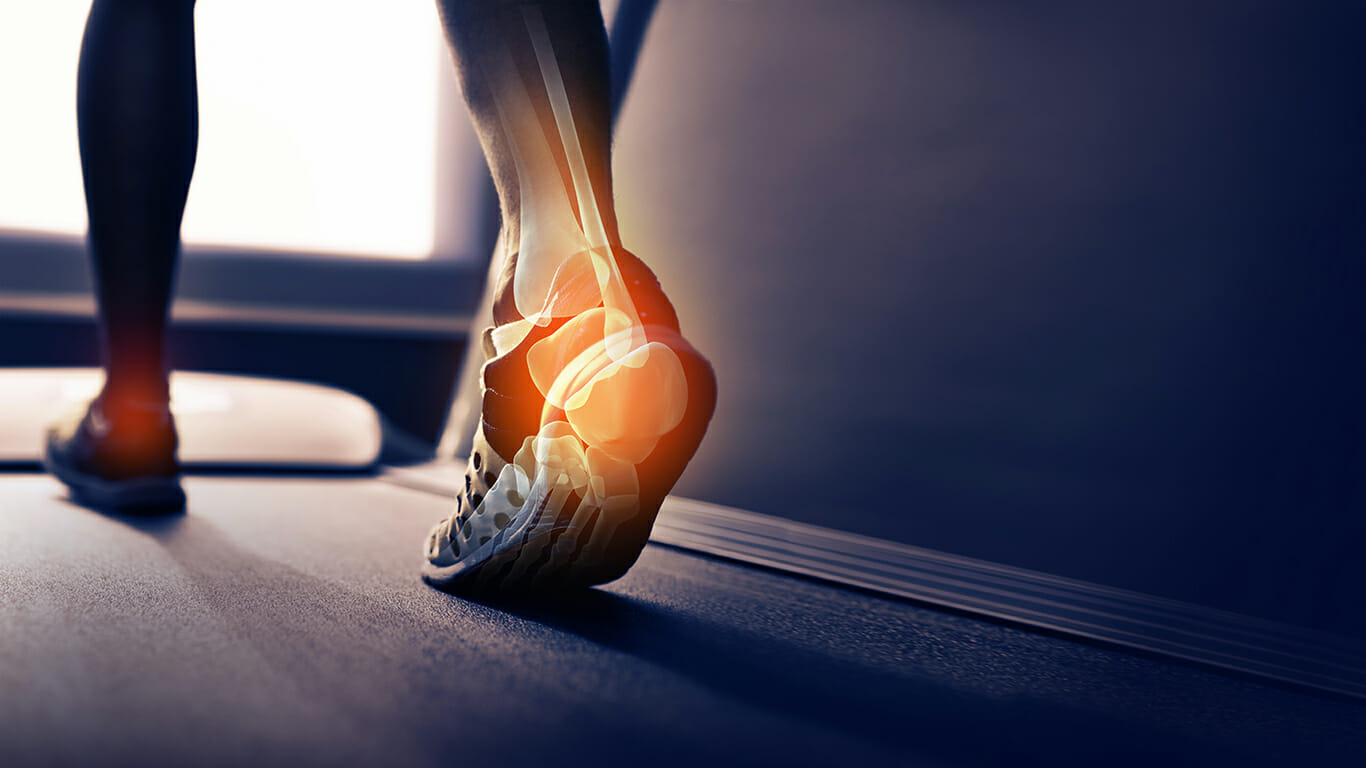
Heel pain can make every step feel like a challenge, leaving you frustrated and searching for relief. Effective heel pain treatment is key to managing heel pain and getting back on your feet. In this blog, you will explore different ways to handle heel pain so you can find the relief you need.
MORE NEWS: Phoenix bucket list: 25 things you must do
1. Rest and Foot Elevation
Resting your foot is one of the best ways to reduce heel pain. Give your foot a break from activities that put pressure on it, like walking or standing for long periods. Resting helps reduce swelling and inflammation in the heel.
Another helpful tip is elevating your foot. When you rest, try to keep your foot raised above heart level using a pillow or cushion. This can help reduce swelling and improve blood flow to the area, aiding in healing.
2. Cold Compress and Heat Therapy
Cold compresses and heat therapy are great ways to treat heel pain at home. Start with cold compresses to reduce swelling. You can wrap ice in a towel or use a cold pack and apply it to the heel for 15-20 minutes. The cold helps numb the area and reduces inflammation.
Once the initial swelling goes down, heat therapy can help relax the muscles and improve circulation. Use a warm towel or heating pad and apply it to the heel for 15-20 minutes. Heat therapy can also help ease stiffness and promote healing by increasing blood flow.
3. Strengthening Exercises
Strengthening exercises are important in treating heel pain, especially if it’s caused by muscle weakness. Simple exercises can help stretch and strengthen the muscles in your feet and calves, reducing stress on the heel.
Try exercises like toe raises or calf stretches. To do a toe raise, stand up and lift your heels off the ground, holding for a few seconds before lowering back down. Repeat 10-15 times. Stretching your calves by leaning against a wall with one leg behind you can also help ease tension in the heel.
4. Proper Footwear
Wearing the right shoes is crucial for managing heel pain. Shoes that offer good arch support and cushioning can reduce pressure on the heel, helping to prevent and relieve pain. Avoid shoes with flat soles or high heels, as they can make the pain worse.
Look for shoes with soft soles, cushioning, and proper arch support to absorb shock and reduce strain on the heel. If your shoes don’t have enough support, you can add orthotic insoles to help cushion the heel and improve alignment.
5. Professional Treatments
If heel pain doesn’t improve with home treatments, professional treatments may be necessary. A healthcare provider can assess your condition and recommend further options. They may suggest physical therapy to improve mobility, strength, and flexibility in your foot.
In some cases, a doctor might prescribe custom orthotics to provide extra support and reduce pain. For more severe cases, treatments like corticosteroid injections may be considered to reduce inflammation.
If other methods don’t work, your healthcare provider may recommend shockwave therapy or, in rare cases, surgery to correct structural issues causing the heel pain.
Prevent Future Heel Pain
Remember, early intervention and professional guidance are key to ensuring long-term relief and foot health. Stay proactive in maintaining your foot care routine, and you’ll be able to prevent future heel pain while enjoying a more active, pain-free lifestyle.