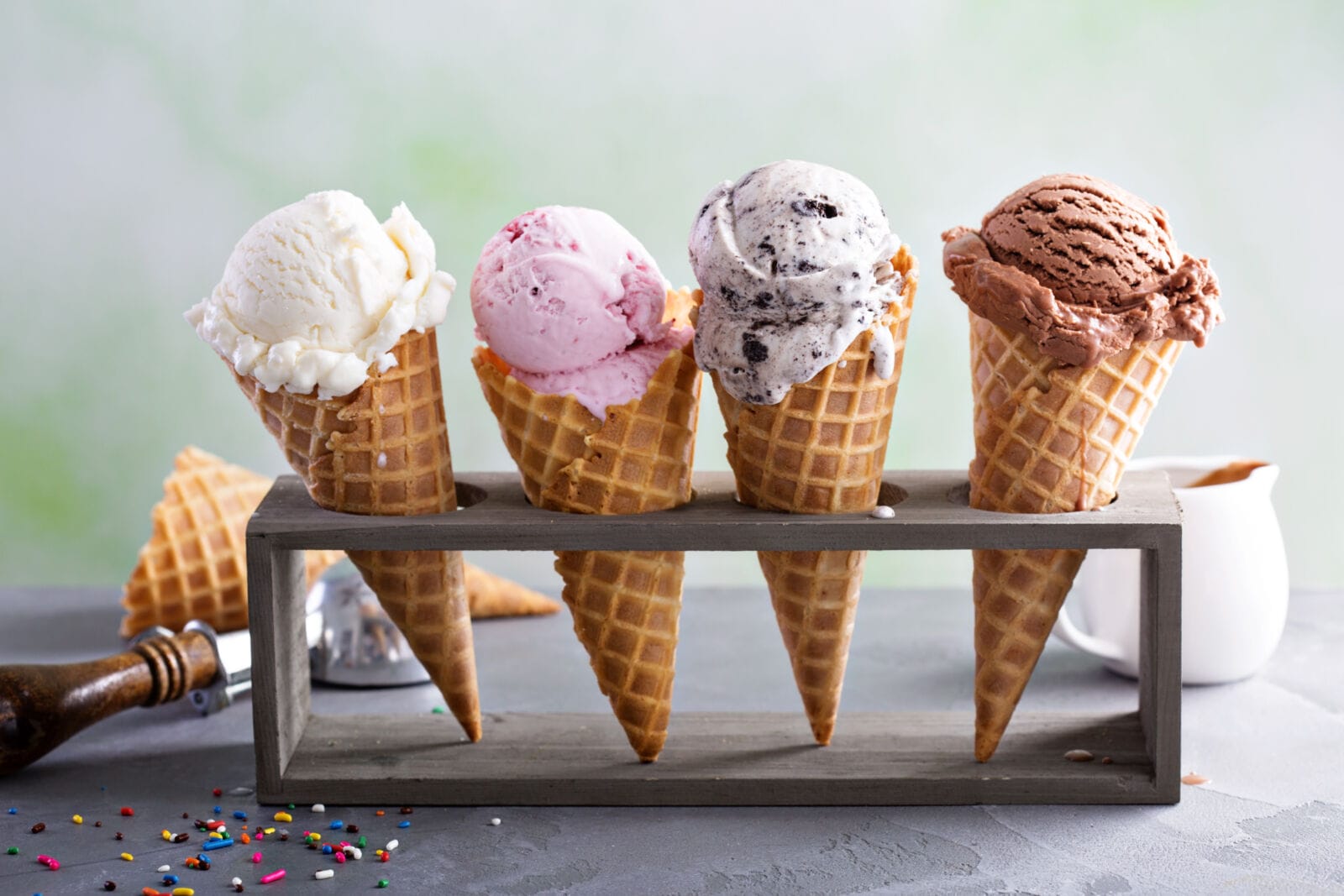
A return visit to an ice cream shop rarely depends on sweetness alone. People remember contrast, aroma, temperature, and the small surprise that arrives with a first spoonful. Distinct flavor programs support that response by giving regular guests something fresh without abandoning comfort. Familiar favorites still matter, yet creative options often leave the strongest sensory imprint. That mix of recognition and curiosity is what helps a neighborhood shop stay part of a customer’s routine.
Surprise Sparks Interest
Regular guests often scan a menu for one choice that feels safe and one that feels new. Current ice cream parlor flavors illustrate that pull, with combinations such as Dr. Dirty Soda, Milkshake & Fries, and Pretzel Cookie Dough beside old standards. That contrast matters because curiosity rises when a menu offers novelty without confusion, and most customers will try an unexpected scoop if the flavor logic still feels grounded.
Memory Drives Returns
Taste memory is powerful because flavor links quickly with mood, place, and social context. A plain scoop may satisfy in the moment, yet an unusual profile tends to stay mentally available longer. People recall smoked notes, saline crunch, toasted sugar, or a bright fruit finish with more precision than they remember generic sweetness. That stronger recall supports repeat business, because customers can describe the experience easily and decide to seek it again.
Seasonal Menus Create Urgency
Limited offerings change customer timing. A rotating batch of watermelon, tart cherry, or spiced custard signals that waiting could mean missing the chance. That simple deadline can move a visit from vague intention to same-week action. Short runs also keep a menu from feeling static. Each update gives staff a new conversation starter, and regular visitors gain another reason to check what is in the freezer now.
Familiar Bases Lower Risk
Creative combinations work best when the base profile is easy to recognize. Chocolate, vanilla, coffee, caramel, and citrus give people a sensory reference before they commit. That reference reduces hesitation at the counter. A guest may resist a completely unknown concept, yet still order a playful version of a trusted flavor family. Menus perform better when originality is anchored by something the palate already understands.
Texture Adds Recall
Mouthfeel shapes memory as much as taste does. A scoop with brittle pieces, soft cake, chewy caramel, or crisp chips creates contrast that keeps each bite active. That variation slows eating and holds attention longer. Sensory scientists have shown that textural complexity can heighten perceived interest during a food experience. In practice, customers often remember crunch, creaminess, or a crackling finish before they recall the full ingredient list.
Names Help Stories Travel
Names matter because they frame expectations before the first taste. A title like Pink Champagne Sorbet or Midnight Pleasures gives the customer an image, not just a label. That makes ordering easier and later retelling more vivid. People are more likely to mention a flavor to friends if the name carries mood and character. A strong title turns a private dessert choice into a story worth repeating.
Variety Broadens the Group
One shop earns more repeat traffic when it can satisfy different palates during the same visit. A family may include someone craving dark chocolate, another preferring fruit, and another needing a dairy-free option. Broad selection reduces friction in group decisions. That matters because many dessert outings are social rather than solitary. If everyone can find something appealing, the parlor becomes the default suggestion for future plans.
Quality Signals Trust
Novelty alone does not sustain loyalty. Customers quickly notice whether careful ingredient handling, balanced formulation, and dependable texture support an inventive menu. Customers expect sweetness to enhance every flavor, and mix-ins should provide contrast rather than create clutter. Clear allergen communication also strengthens confidence. Once people trust the fundamentals, they become more willing to sample unusual combinations. Reliable quality makes experimentation feel safe, which is essential for repeat purchasing.
Small Discoveries Build Habit
Lasting loyalty often grows through small discoveries rather than big spectacle. A subtle malt note, a hint of citrus, or a late pinch of salt can make one scoop feel more complete. Those details reward attention and give each visit a sense of possibility. Customers start to expect that even a familiar order may contain something worth noticing. Habit forms when surprise remains present, yet satisfaction stays dependable.
Conclusion
Unique flavors keep customers coming back because they engage more than appetite. They create sensory memory, invite conversation, and give routine dessert trips a little freshness each time. Seasonal rotation adds urgency, familiar bases reduce hesitation, and textured combinations improve recall. Strong naming helps stories spread, while dependable quality builds trust. Shops that balance creativity with comfort do more than serve a treat. They create a repeat experience that customers are glad to revisit.