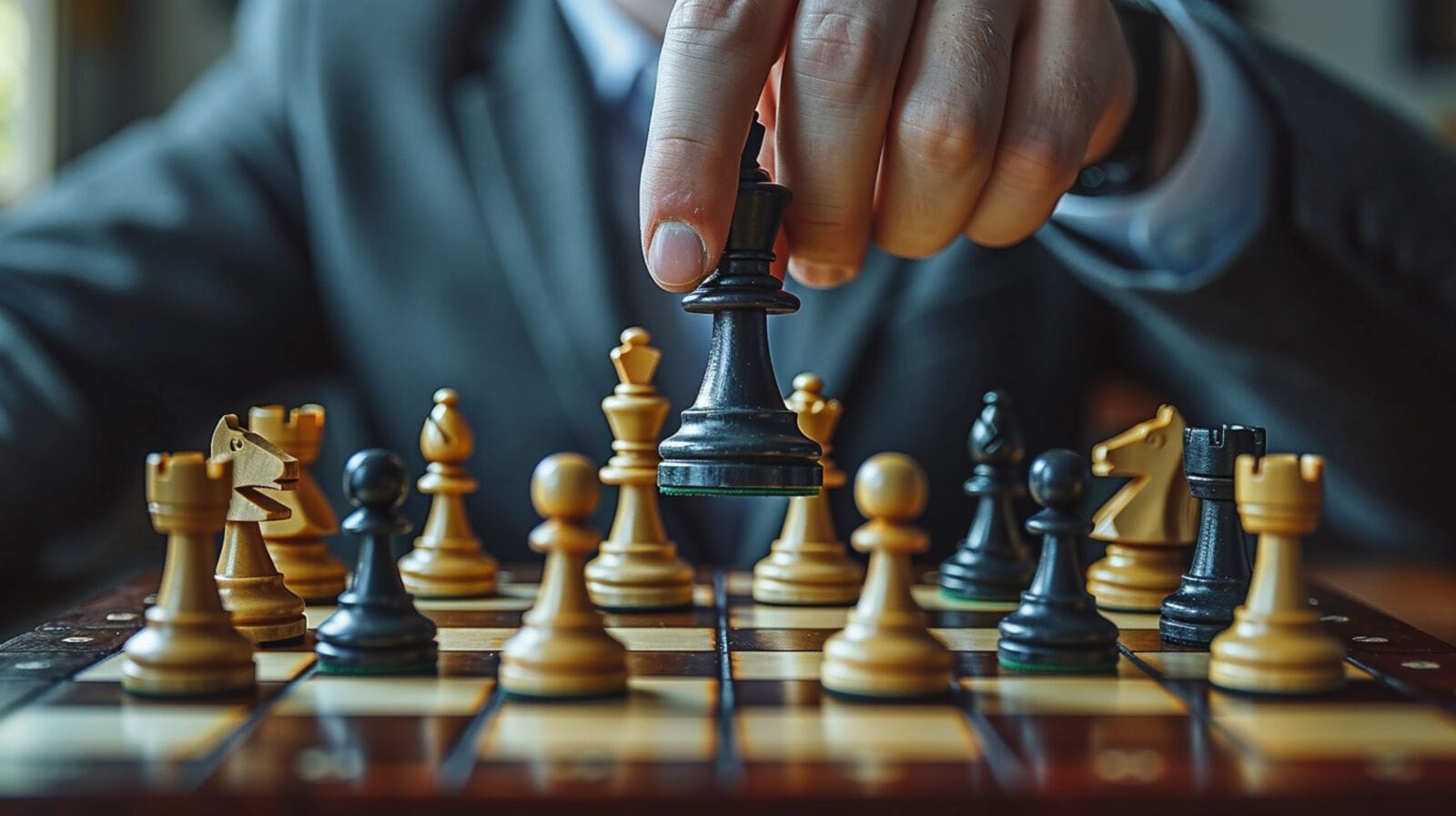
Forget those dry tournament reports that just drone on about final standings and who climbed the Elo rankings. When I look back at the 2026 FIDE World Rapid and Blitz Team Championships, which wrapped up in Hong Kong on June 21, what sticks with me isn’t just the results—it’s the sheer, messy unpredictability of it all. It felt less like a stiff, formal event and more like a high-stakes, real-world stress test. The tournament really drove home the fact that while chess is an ancient, calculated game, the way it’s actually played in 2026 is becoming a strange, chaotic blend of deep-rooted strategy and sheer, impulsive survival.
The team format completely changed the vibe of the event. It’s fascinating to watch: in a standard individual tournament, you’re only fighting for yourself. But here, the stakes feel much more personal because of the collective burden. You could see players choosing a rock-solid draw on one board to protect the team’s lead, knowing that a risky win elsewhere wasn’t worth the gamble. It’s all about sacrifice and trust—playing for the team rather than for a highlight-reel finish.
The story of the tournament was undoubtedly Dragon Chilling. Sweeping both the rapid and blitz titles wasn’t about one or two superstars carrying the load; it was about pure, relentless consistency. It was a great reality check for all of us. Even some of the biggest names in the game had a rough go of it, which proves a point that’s easy to forget: at this level, if you’re just relying on memorized opening lines, you’re in trouble. It’s the players who stayed flexible, kept their cool, and trusted their instincts who came out on top.
For those of us grinding away at local clubs or playing blitz on our phones between commutes, this event was a goldmine of practical wisdom—not just theory. Watching these top players navigate messy, unscripted positions is honestly more valuable than any video tutorial or engine analysis. Look, it’s time for a reality check: stop driving yourself crazy trying to find the “computer-perfect” move every single time. It’s a trap. Real progress is about learning how to stay alive when the clock is breathing down your neck, your nerves are shot, and you have to rely entirely on your own brain. Master that kind of pressure, and you’ll instantly be miles ahead of the crowd that’s just stuck in a loop, endlessly memorizing lines that don’t mean a thing when the heat is actually on.
Preparation Extends Far Beyond the Opening
Watching the championship made one thing painfully clear: the real work happens long before you ever touch a clock.
Sure, knowing your opening lines is part of the job, but the top-tier players aren’t just memorizing move orders. They’re playing for the long game—relying on a deep feel for structural patterns and the ability to stay cool when a game goes off-script and heads into uncharted territory. That’s why you’ll still hear coaches obsess over replaying classic games from start to finish. It’s not just about looking for the “best” move; it’s about understanding the “why” behind the decision-making process.
After the dust settled in Hong Kong, I noticed a lot of players digging back into the roots of their training. Many enthusiasts started looking at different chess sets for sale, wanting to step away from the glare of their laptop screens. There’s something about working through a complex middlegame on a physical board that just clicks differently. You move the pieces, you see the angles, and suddenly, those abstract strategic ideas don’t feel so impossible to grasp anymore. It’s the difference between watching the game and actually feeling it.
Championship Standards Create Better Training Habits
Major championships leave a mark on how we actually study the game long after the closing ceremony. You’ll see coaches pulling fresh examples from the latest rounds, and club players obsessively replaying the big games to figure out what was really going on behind those critical decisions. It’s way more useful to look at a game as a whole rather than just staring at isolated tactical puzzles—it’s the only way to see how an opening choice actually morphs into a middlegame plan and eventually dictates the endgame result.
Honestly, a lot of us still prefer breaking these positions down on a physical board. There’s just something about moving pieces by hand that hits differently than clicking through moves on a screen.
After following an event like the 2026 championship, it is common to compare different chess boards for sale in search of equipment that matches tournament dimensions. A familiar setup helps recreate positions more accurately and makes long study sessions more comfortable.
The same applies to the pieces themselves. A well-balanced tournament chess set and a professional chess board can make replaying complex games easier, especially during detailed analysis with a coach or training partner.
For players who enjoy revisiting memorable championship games on equipment inspired by official competitions, Chess Sets offers collections developed around World Chess standards. Rather than replacing digital analysis, they provide another way to study important positions and experience the game in a setting that reflects top-level competition.
The Importance of Practical Decision-Making
The big takeaway from this event? Stop chasing “engine-perfect” moves. The top players clearly stopped caring about what the silicon thinks and started playing what actually works. Watching them, you’d see them skip the razor-sharp computer lines every time—they went for stuff that was just solid and annoying to play against. It was a masterclass in practical decision-making. Especially in the rapid games, that stuff is a lifesaver. When the clock is screaming and you’ve got zero time, playing for some obscure, “perfect” engine line is a death wish. Keeping the game manageable and putting the pressure back on your opponent? That’s how you actually win.
For club players, this lesson may be even more valuable than any opening novelty. Strong chess is rarely about finding spectacular moves. More often, it is about making a series of reliable decisions that gradually improve the position while avoiding unnecessary complications.
WOMEN IN BUSINESS: The Most Influential Women in Arizona for 2026
WOMEN IN REAL ESTATE: The Most Influential Women in Commercial Real Estate for 2026
Endgame Technique Continued to Decide Matches
While opening preparation attracted plenty of attention before the championship, many of the most important points were earned in the endgame. Teams that converted small advantages with patience consistently outperformed opponents who searched for immediate tactical solutions.
Check out some of those games, and you’ll see something striking: the absolute best players aren’t always looking for the flashy, fireworks-style finish. They’re masters at taking a mess of a position and just trimming the fat until they’re left with a clean, technically winning endgame. It’s not some kind of “natural gift” they were born with, either. It’s the result of putting in thousands of hours of grinding, deliberate work behind the scenes. When you see them play like that, you realize it’s just pure, hard-earned experience showing through.
For that reason, many coaches recommend that students buy chess boards that match tournament standards. Replaying championship endgames move by move on a physical board develops calculation skills and helps players recognize important patterns that are easy to overlook on a computer screen.
Equipment Inspired by Championship Play
Suddenly, the board isn’t just a prop. You’re recreating high-stakes scenarios with the exact tactile feedback the pros expect. It’s not just about the look; that sense of familiarity cuts out mental clutter. When you’re deep into a complex line, that focus matters.
When upgrading your setup, don’t just pick based on price. Most players comparing chess pieces for sale look past the finish to the actual specs. Weight, stability, and board-square ratio define your comfort during analysis. These aren’t just aesthetic preferences. They dictate how easily you can process full games without eye strain or physical fatigue. Investing in a world championship chess set changes the study dynamic entirely, making long, move-by-move sessions sustainable.
Building a Better Training Environment
One of the lasting messages from the 2026 championship is that improvement depends on consistency. Strong players build routines that allow them to study regularly rather than relying on occasional intensive sessions.
A useful training routine usually combines several activities:
- Reviewing complete games from recent tournaments.
- Solving tactical exercises without engine assistance.
- Practicing theoretical endgames.
- Analyzing personal mistakes after every serious game.
- Playing training games with realistic time controls.
Many old-school coaches will tell you that the secret to a good practice session is closer to home than you might think. They’ll often push you to pick up an international chess board for your study desk because the dimensions match what you’ll actually be staring at in a tournament hall. There’s no substitute for that muscle memory. Honestly, picking up a proper professional chess set changes the whole vibe of your practice. And look, I’m not saying you need to go out and blow your savings on some museum-grade display piece. It’s not about the “fancy” factor. It’s about muscle memory. You need to get used to the heft of the pieces and how they actually sit on the board long before you’re sitting across from some shark in a real tournament.
Choosing Equipment That Lasts
Investing in a decent setup isn’t just about spending cash—it’s more like a long-term commitment. If you’re grinding through practice sessions a few times a week, you’ll realize pretty fast that how the pieces feel under your fingers matters way more than just how they look on a shelf. Durability is the real game-changer here.
Rather than grabbing the first thing that catches your eye, it’s worth checking out a real chess shop. That’s where you can actually get a feel for the materials and see if the dimensions are what you’re used to. Getting the right advice makes a massive difference in picking a set that’ll hold up to years of daily grind.
It’s exactly the same deal when you’re shopping online. A reputable chess store will give you the full breakdown—piece height, weight, and build quality—so you aren’t guessing what’s going to show up at your door.
Honestly, if you have your sights set on club play, do yourself a favor and get a proper tournament chess board from the start. Getting used to the regulation feel means one less thing to worry about when you’re in the middle of a tense match. When your gear feels familiar, you can stop focusing on the pieces and finally just focus on the game.
Lessons That Will Influence Future Championships
Chess hasn’t changed as much as people think, even after the 2026 FIDE World Rapid and Blitz Team Championships. The headlines focus on opening theory, but that’s just the surface. If you don’t have the positional feel, a sharp endgame, and the ability to keep your head when the clock is red-lining, all that memorization falls apart. It’s the mental grit—that ability to stay focused when you’re under the gun—that actually separates the winners from the rest of the pack.
If you’re feeling inspired and want to level up, stop just copy-pasting what the GMs played in the opening. That’s a shortcut to nowhere. You need to dig into the whole game, not just the first ten moves. Tear apart the critical spots and try to replicate tournament pressure during your practice sessions. If you can get your hands on a decent, standard-sized board and put in the work with the right gear, you’re building a foundation that’s actually going to last. It’s not about finding a magic trick; it’s about putting in the reps in a way that actually mimics the real deal.
Here is the summary of the 2026 FIDE World Rapid and Blitz Team Championships in table format:
2026 FIDE World Rapid and Blitz Team Championships Overview
| Category | Details |
| Host City | Hong Kong, China |
| Tournament Dates | June 16–21, 2026 |
| Organizer | FIDE (International Chess Federation) |
| Event Format | Team Rapid & Team Blitz Championships |
| Rapid Champions | Dragon Chilling |
| Blitz Champions | Dragon Chilling |
| Historic Achievement | Dragon Chilling won both titles (the championship double) |
| Participants | Elite Grandmasters and rising international talents |
| Key Lesson | Success driven by teamwork, adaptability, and time management |
Beyond the trophies, the event really highlighted how much team chess is blowing up at the top level. It was fascinating to see a mix of grizzled, seasoned grandmasters lining up against the next generation of hungry young talents—the level of play was just relentless. Plus, with FIDE putting up a serious prize fund, you can tell these international team events are starting to carry way more weight in the chess world. Honestly, for most of us watching, the tournament was a massive wake-up call to dive back into recent games, sharpen our own prep, and finally get a real sense of what it takes to compete in the modern era.