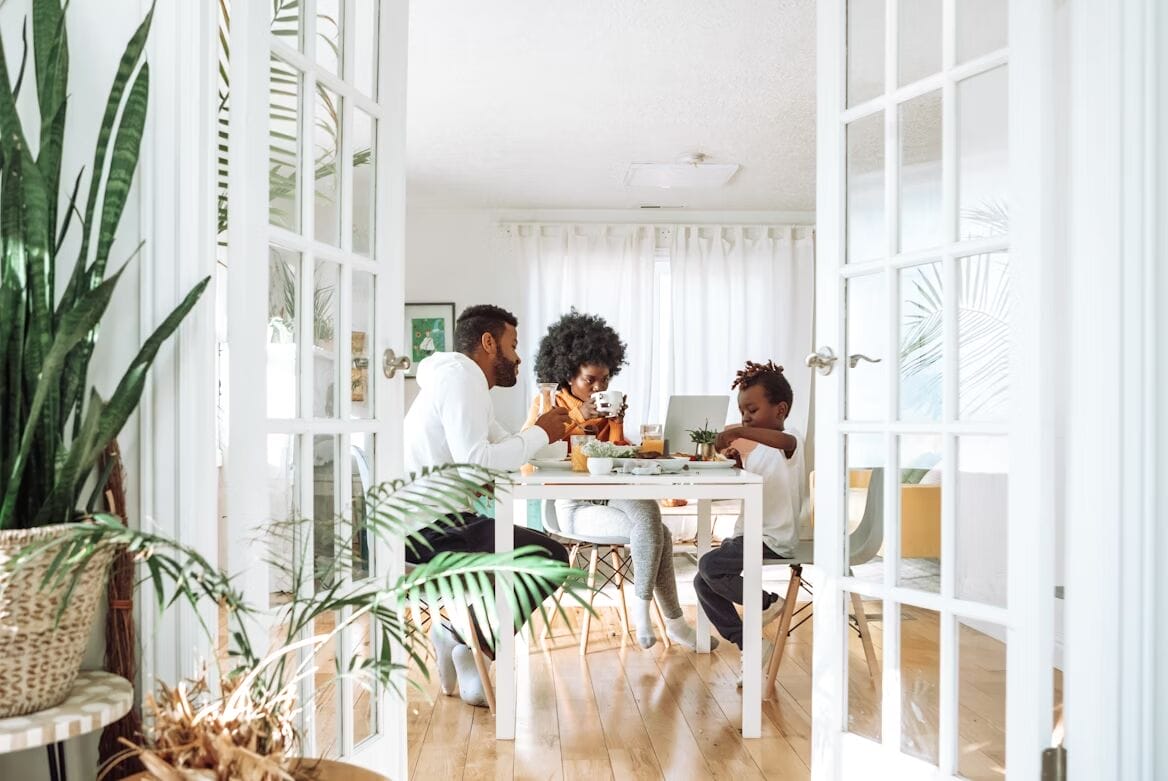
Every family wants a home that feels warm, comfortable, and inviting. A cozy home atmosphere comes from small adjustments that make everyday life easier and more pleasant. These little changes enhance comfort, create balance, and strengthen the bond among family members. The key lies in being intentional about the details that improve both function and relaxation.
Creating Spaces That Invite Relaxation
Every home needs areas where people can unwind after a long day. Comfort begins with space arrangement and the right choice of furniture. Living rooms that promote conversation and connection bring families closer together. Placing couches and chairs to face each other encourages interaction instead of focusing solely on the television.
Lighting plays a significant role in setting the right mood. Soft, warm lights create a peaceful environment, while natural light uplifts the atmosphere. Curtains and blinds that let in sunlight during the day keep rooms bright and cheerful.
Adding natural elements like plants improves air quality and adds calm energy. Families can create reading corners or window seats where relaxation becomes a daily habit.
Temperature and Air Quality Matter
The indoor environment directly affects comfort and well-being. Maintaining consistent temperatures helps everyone feel at ease, regardless of the season. Regular maintenance of heating and cooling systems keeps the home environment healthy and balanced. Professional services such as Iceberg Heating & Cooling ensure that HVAC systems run efficiently and reliably. A well-tuned system prevents sudden breakdowns and maintains ideal indoor conditions. Family members can rest better when air quality remains high and temperatures stay steady.
Replacing air filters regularly keeps the system running smoothly and reduces allergens. Proper humidity levels protect furniture and health, preventing dry air or excess moisture that can cause discomfort. A home that feels good to breathe in supports physical and emotional wellness.
DEEPER DIVE: Top 10 Arizona ZIP codes people are moving to in 2025
LOCAL NEWS: 100 best places to work and live in Arizona for 2025
Designing Functional Family Areas
A functional layout saves time and minimizes frustration. Families thrive when shared spaces support daily activities efficiently. Kitchens with organized storage make cooking and meal preparation more enjoyable.
Open layouts create connection while maintaining privacy. Children can do homework near their parents cooking in the kitchen, allowing supervision without interruption. Small details like accessible storage bins and labeled drawers make routines easier to follow for every family member.
Multifunctional furniture serves both style and purpose. Ottomans with storage, fold-out tables, or sectional sofas adapt to different needs throughout the day. A well-organized home eliminates clutter and gives every item a defined space, reducing stress and improving overall comfort.
Lighting That Enhances Mood and Function
Light affects how people feel in their homes. Bright, cool light suits task areas such as kitchens and offices, while soft lighting creates relaxation in bedrooms and living rooms.
Dimmers allow flexibility for different times of day or moods. Families benefit from energy-efficient LED bulbs, which lower costs while providing clean light. A layered lighting plan, combining ceiling fixtures, lamps, and accent lighting, makes each room more inviting.
Natural light should always play a role. Reflective surfaces like mirrors help distribute daylight throughout a space, creating warmth and openness. Proper lighting encourages positive energy and helps family members stay productive during daily routines.
Comfort Through Organization
An organized home feels peaceful and easier to manage. Clutter often leads to frustration, while tidiness promotes calm. Families can start small by designating specific areas for keys, mail, or school supplies.
Storage solutions that match each room’s purpose keep things accessible yet neat. Vertical shelves maximize wall space, while baskets and bins make organization visually appealing. Teaching children to return items to their proper places encourages lifelong habits of responsibility and care.
An organization improves more than just the look of a home. It builds efficiency into daily life, freeing time for family activities instead of constant cleanup.
Soundproofing for Serenity
Noise affects concentration and relaxation. Adding rugs, curtains, and upholstered furniture reduces sound travel throughout the home. Acoustic panels or insulated windows block outdoor sounds, improving peace in busy neighborhoods.
Creating quiet zones, such as a study nook or reading area, provides a retreat from household activity. Parents working from home or children studying benefit from reduced distractions.
Calm, quiet environments allow families to recharge. Even small soundproofing updates can transform daily living comfort.
Energy Efficiency Creates Long-Term Benefits
A warm and comfortable home should also be energy-conscious. Upgrading to efficient systems lowers energy bills and supports sustainable living. Smart thermostats adjust temperatures based on activity patterns, ensuring consistent comfort without waste.
Insulating walls, windows, and doors reduces heat loss during winter and keeps interiors cool during summer. Sealing drafts prevents unnecessary strain on heating and cooling units. Energy efficiency contributes to financial savings and environmental care, both valuable long-term investments.
Switching to LED lighting or low-flow water fixtures complements these efforts. Sustainable habits teach children environmental responsibility and create a sense of shared purpose in the household.
Building Routines That Support Togetherness
Family comfort extends beyond physical surroundings. Shared routines nurture connection and emotional stability. Simple traditions such as family dinners or weekend game nights strengthen bonds.
Encouraging each family member to contribute to household tasks creates teamwork and pride. Rotating chores and responsibilities promotes fairness and accountability.
Healthy communication lies at the core of family happiness. Open discussions about schedules, needs, and goals prevent misunderstandings and build trust.
Time together should include rest as much as activity. Quiet moments reading or walking outdoors reinforce relationships and provide balance in busy lives.
The Power of Personalized Spaces
Personal touches make a house feel like home. Displaying family photos, artwork, or travel memories builds a sense of identity. Each member’s room should reflect their personality, providing comfort and inspiration.
Simple updates like new paint colors, cozy bedding, or decorative accents create warmth. Family projects, such as designing a photo wall or crafting decorations together, add shared meaning to spaces.
Comfort grows when the home feels authentic to those living in it. Personalized spaces celebrate individuality while reinforcing family unity.

A comfortable home relies on many small decisions that work together to create peace and warmth. Thoughtful organization, proper lighting, efficient energy use, and personalized spaces shape the environment where families thrive. Maintaining systems, promoting communication, and nurturing shared experiences enhance both comfort and happiness.
When families focus on the details that make living easier and more joyful, their homes become places of refuge and renewal. Little changes made with intention have lasting power to transform everyday routines into meaningful experiences that bring stability, comfort, and joy to family life.