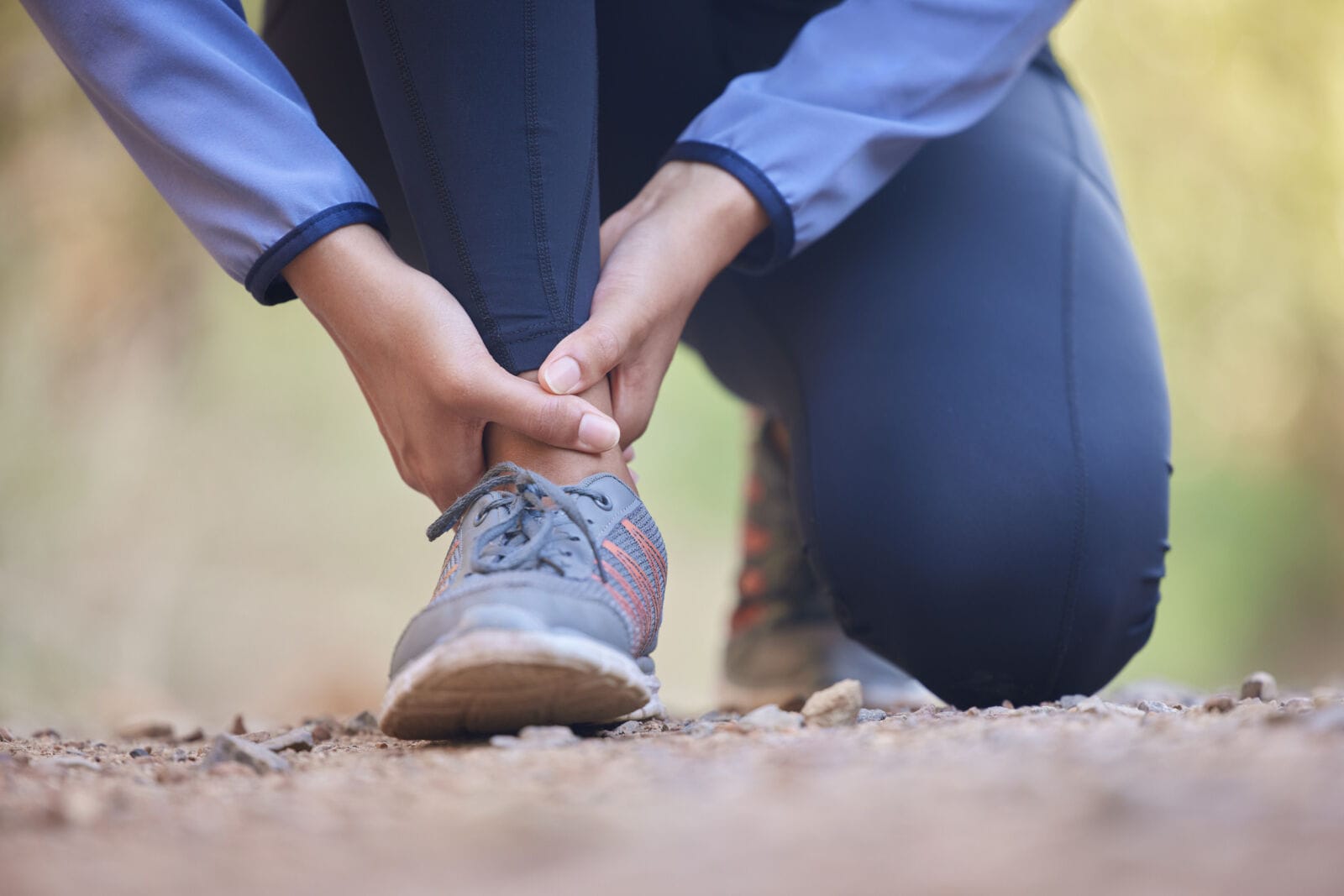
Recovering from a physical trauma demands a shift in how a person views their daily routine and long-term wellness. A major accident changes the way the body functions and reacts to stress. Adopting healthy habits can manage lasting effects and prevent future complications.
Long-term health is a marathon, not a sprint. These small changes can result in improvements in quality of life over the years. Setting a foundation for recovery starts with daily choices and a committed mindset.
Prioritizing Physical Rehabilitation
Rehabilitation helps people regain their strength and mobility after a serious medical event. 1 in 3 people around the world need rehabilitation services to manage their health conditions. Working with experts allows for a personalized plan that addresses unique physical limitations.
Consistency with specific exercises prevents joints from stiffening and muscles from weakening. Many patients ignore their exercises once they feel a bit better, causing setbacks or re-injury.
Committing to the full course of treatment makes the difference between partial and full recovery.
Specialists teach movements that protect the body during daily tasks. Learning how to move correctly reduces the strain on healing bones and ligaments. Regular sessions provide a safe environment to test new limits.
The Legal Pathway
Legal steps are necessary to secure the resources needed for long-term care. If faced with a motorcycle accident, consulting with experienced motorcycle injury attorneys helps victims understand their rights and potential for compensation. Professional legal advice removes the burden of dealing with insurance companies alone.
Settlements cover the cost of ongoing therapy and medical equipment. Many families struggle with bills after a sudden accident. Legal experts fight for the maximum amount of support. Their work lets the patient focus on getting strong again.
Regaining Independence in the Workplace
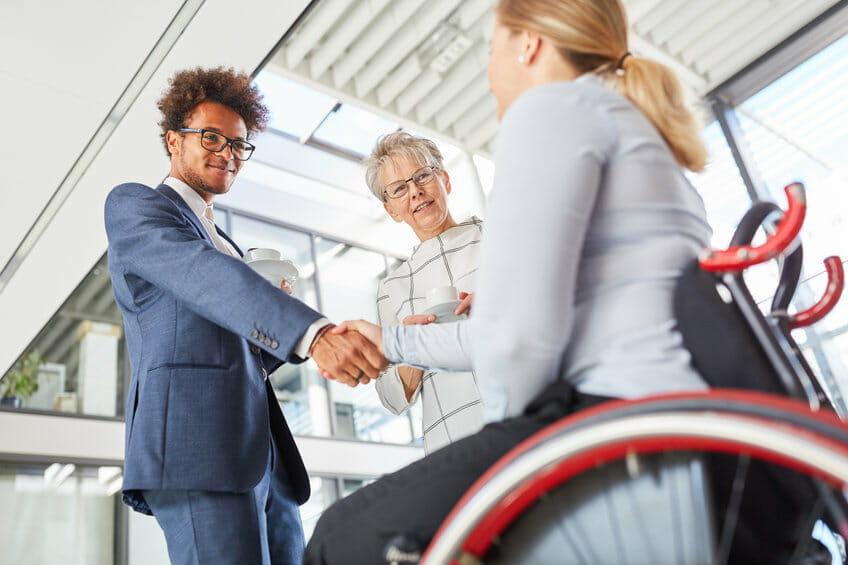
Returning to a job signals a return to normalcy and financial independence. 79% of employees successfully return to their positions after treatment for injuries related to their work. Adapting the workspace can make this transition smoother and less painful. Open communication with employers will manage expectations during the first few weeks back.
Some workers start with part-time hours to build their stamina. Ergonomic chairs or desks help prevent new aches during the workday. Taking frequent breaks to stretch keeps the blood flowing.
Employers usually appreciate a proactive approach to safety. Safety in the workplace is a shared responsibility between the worker and the boss. Successful transitions boost confidence and improve mental well-being. Career growth continues even after a long medical leave.
Nutrition as a Recovery Tool
What a person eats directly affects how their body repairs itself at the cellular level. Lean proteins and fresh vegetables provide the building blocks for tissue growth and immune function. Stable energy levels prevent the fatigue that often accompanies long-term recovery efforts.
Anti-inflammatory foods like berries and fatty fish reduce swelling in the body. Avoiding processed sugars keeps inflammation at a minimum. Preparing meals at home will guarantee that ingredients are fresh and healthy. Good nutrition supports the brain and the muscles.
Mental clarity follows complex medical advice. Consistency with healthy eating habits pays off in long-term vitality. Vitamins and minerals are a natural fuel for the recovery engine. Every meal is an opportunity to heal the body from the inside out.
The Role of Consistent Movement
Regular physical activity keeps the heart strong and improves circulation throughout the limbs. Global health experts suggest that adults should aim for at least 150 minutes of moderate physical activity every week. Walking or swimming are excellent ways to meet this goal without putting too much strain on healing tissues. Light movement reduces the risk of chronic pain settling in permanently.
Low-impact exercises provide the best results for those with sensitive joints. Biking on flat ground offers a great workout for the legs and lungs. Strong muscles take the pressure off the skeletal system. Starting with light weights prevents overexertion.
Consistency matters more than intensity during the early stages of a new routine. Progress builds slowly but surely through dedication. Daily movement improves energy levels and mental focus. Even a 10-minute walk provides benefits for the vascular system.
Mental Resilience and Recovery
Emotional stress can slow down the healing process and increase sensitivity to pain. Speaking with a counselor or joining a support group provides a safe space to discuss challenges. Developing a positive outlook maintains the motivation needed for daily physical therapy. Mindfulness practices can lower blood pressure and improve sleep quality.
Frustration occurs when progress feels slow or stagnant. Meditation helps the mind stay calm during periods of intense discomfort. Deep breathing exercises provide a sense of control over the body. Support from others makes the hard days more bearable.
Tracking Progress and Setting Goals
Celebrating tiny victories keeps the spirit high when progress feels slow. Monitoring improvements provides the evidence needed to stay on track with a recovery plan.
- Monitor daily steps using a wearable device or a phone app.
- Keep a journal of pain levels to identify unique triggers.
- Set weekly goals for flexibility and strength improvements.
- Schedule regular check-ups with a primary care physician.
Building a visual record of success shows how far a person has come since their injury. Seeing the numbers improve gives a sense of accomplishment. Data helps doctors adjust treatment plans for better results. Technology can keep track of these metrics every day.
Building a Support System
No one should have to navigate a major lifestyle change without help from others. Friends and family provide the emotional backbone needed during difficult days. Lean on those who care to maintain a high level of motivation.
- Ask for help with grocery shopping or household chores when needed.
- Join local community groups for people with similar experiences.
- Attend fitness classes designed for individuals with limited mobility.
- Communicate clearly with loved ones about physical boundaries.
A strong network reduces the isolation that follows a traumatic event. Social connections improve mood and speed up the recovery timeline. Shared experiences offer valuable insights into managing daily life with an injury.
Every step taken toward wellness after an injury is a victory worth celebrating. The journey may be long, but the rewards of a healthy life are worth the effort. Consistency in these habits will provide the best chance for a full and happy future. Recovery is possible for anyone willing to put in the work.