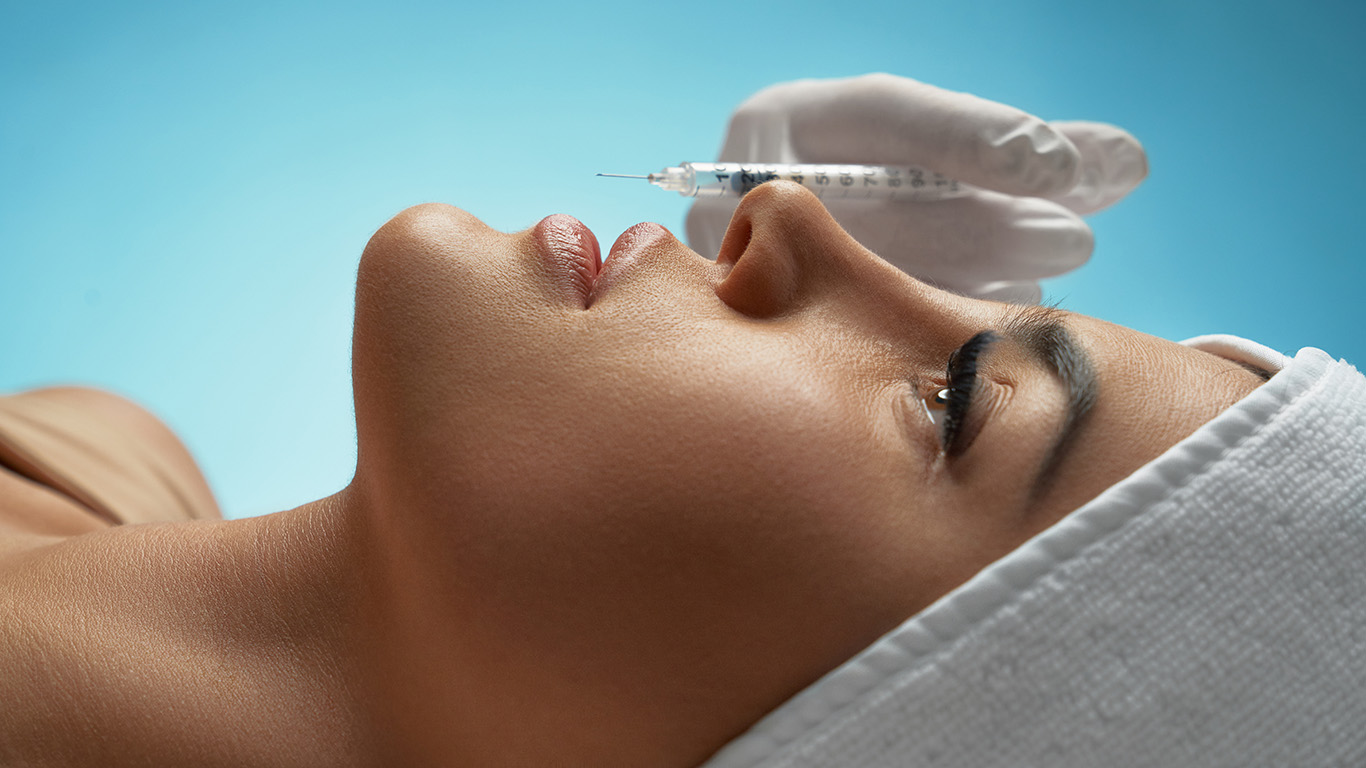
Contemporary aesthetic medicine increasingly focuses on non-surgical methods of facial rejuvenation that aim to preserve natural expression while reducing visible signs of aging. Among these approaches, injection-based treatments play a central role due to their precision, predictability, and minimal recovery time. Rather than altering facial structure, such procedures target the muscular activity responsible for expression lines, allowing the skin to appear smoother and more relaxed.
How Botulinum Toxin Works in Aesthetic Practice
Botulinum toxin is a purified neuroprotein widely used in aesthetic dermatology to temporarily reduce the activity of specific facial muscles. These muscles are responsible for dynamic wrinkles that form over time as a result of repeated expressions, such as frowning or squinting. When carefully administered in controlled doses, botulinum toxin limits excessive muscle contraction, which in turn allows the overlying skin to smooth out.
This mechanism helps soften common areas of concern, including the forehead, the area between the eyebrows, and the outer corners of the eyes. Importantly, when applied correctly, the treatment does not eliminate facial movement but instead supports a more balanced and rested appearance. The procedure itself is typically quick, minimally invasive, and does not require downtime.
Longevity and Maintenance of Results
The effects of botulinum toxin injections are temporary and generally last several months. Over time, muscle activity gradually returns, and repeat treatments may be considered as part of an ongoing aesthetic maintenance plan. Many practitioners note that with consistent and appropriate use, facial muscles may contract less forcefully, which can contribute to longer-lasting smoothness and a reduction in the formation of deeper lines.
Because of these characteristics, botulinum toxin–based procedures are often included in preventive aging strategies, particularly for individuals seeking subtle improvements rather than dramatic changes.
Precision and Anatomical Considerations
Successful outcomes depend heavily on anatomical knowledge and injection precision. Each facial region has distinct muscle structures and movement patterns, requiring individualized assessment before treatment. A qualified practitioner evaluates muscle strength, facial symmetry, and natural expression to determine appropriate placement and dosage.
Common treatment areas include the forehead, glabellar region, and periocular zone, though application is always tailored to the individual. Proper technique helps avoid unwanted stiffness and ensures that results remain natural-looking. Post-procedure guidelines, such as avoiding pressure or intense activity for a short period, further support optimal outcomes.
Formulations Used in Clinical Settings
In clinical practice, various botulinum toxin formulations are used, differing in preparation methods and handling characteristics. Some products are supplied in liquid form, which can simplify preparation and support dosing accuracy. One example of such a formulation used in aesthetic settings can be found here: https://skin-reboot.com/product/innotox-100-units/ — this resource provides detailed information about one of the liquid botulinum toxin options available for professional use.
Integration Into Comprehensive Aesthetic Care
Botulinum toxin treatments are often combined with other non-invasive procedures, such as dermal fillers or skin-quality therapies, to address multiple aspects of facial aging. While muscle relaxation targets dynamic wrinkles, complementary methods may focus on volume loss, hydration, or skin texture. Together, these approaches allow for comprehensive yet conservative facial rejuvenation without surgery.
Conclusion
Injection-based aesthetic treatments continue to shape modern approaches to facial aging by offering effective, minimally invasive options with predictable outcomes. Botulinum toxin remains a well-established tool in this field, valued for its ability to reduce expression lines while preserving natural facial movement. When applied with precision and professional oversight, such treatments support a refreshed appearance and align with current trends toward subtle, individualized aesthetic care.