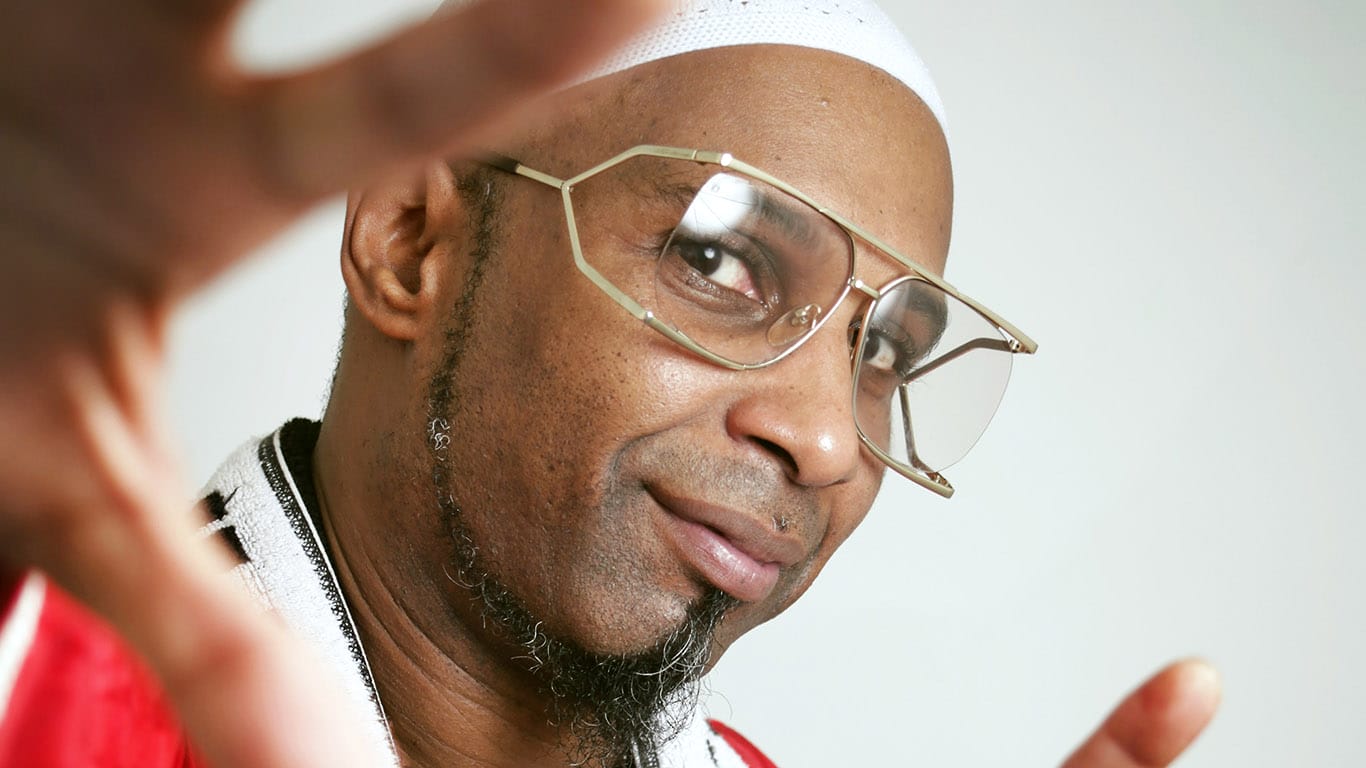
Omar Sosa’s album title, “We Are Not the Headliner,” sounds like a tongue-in-cheek reference to a concert lineup. But the Cuban-born musician says the meaning is deeper than that. Humans are essentially the “opening acts” for spiritual beings.
“We have the spirit and the ancestors to guide us,” said Sosa, 61, via Zoom from Italy.
DEEPER DIVE: Experience AZ: 5 iconic Arizona restaurants to try in 2026
INDUSTRY INSIGHTS: Want more news like this? Get our free newsletter here
“The voices who talk to us in our inner voice. The voices who talk to us all the time and tell us, ‘OK. That’s the direction.’ Everything today is about the individual — me, me, me. We can do nothing without others. Absolutely nothing. Let us be humble as humanity for 1 second.”
Sosa — who calls himself a “country boy” from Cuba — will share that message at 7:30 p.m. Thursday, July 16, at the Musical Instrument Museum.
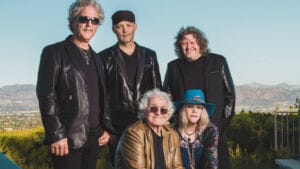
“We Are Not the Headliner” reunites him with the first musicians he played with after arriving in the United States in late 1994. The COVID-19 pandemic made the project possible. The lockdown, he said, sparked the call to his old friends.
Among the “old friends” are reed master Sheldon Brown, versatile drummer Josh Jones and Cuban baby bass player Ernesto Mazar Kindelán.
“We Are Not the Headliner” is rooted in freedom, honesty, and communication. “We talk through the music,” Sosa said. “The music became the bottom line of the band.”
“We Are Not the Headliner” was recorded at Studio 9 in North Adams, Massachusetts, with additional recording and post-production by Greg Landau in Alameda, California.
The 11-song LP features Sosa’s “Hella Changui,” with special guest contributions from Natascha Altas (vocals), Guillermo Gómez-Peña (spoken word), Reggie Stephens (spoken word), Tito Leliebre (percussion), and Camilo Landau and Kai Lyons (tres).
Senegalese musician Seckou Keita joins the band on kora, a West African harp-like instrument with 22 strings.
“The sound is so sublime,” he said. “It’s not a usual instrument in Western society. Some people say they would like to play the instrument. I tell them they need to study it because it is really complicated.”
MIM memories
One of Sosa’s most vivid memories from the MIM was after a show on his “SUBA” tour. As he signed CDs, a man approached him and said he had arrived burdened with problems — but left without feeling their weight.
“He said, ‘I know the problem is still there, but I don’t feel the problem because the energy I received was so clean and so powerful,’” Sosa recalled.
At another gig, a young boy fell in love with the kora and decided to play music. “That is one of the most beautiful, beautiful moments,” Sosa said. “When something like this happens, I need to say ‘thank you’ for the opportunity to be a musician, and ‘thank you’ for the opportunity to have the gift of translating something that comes through me. That’s the thing that we do: We pass along a message.”