The concept of a dedicated recovery tool that addresses the entire body simultaneously has long been the domain of professional sports and clinical medicine. Red light therapy beds have changed that equation, bringing full-body near-infrared treatment into the home. StreamShop Australia supplies a range of red light therapy bed australia options designed for home use, and the format has attracted growing interest from people serious about recovery, skin health and overall physical wellness.
What a Red Light Therapy Bed Is
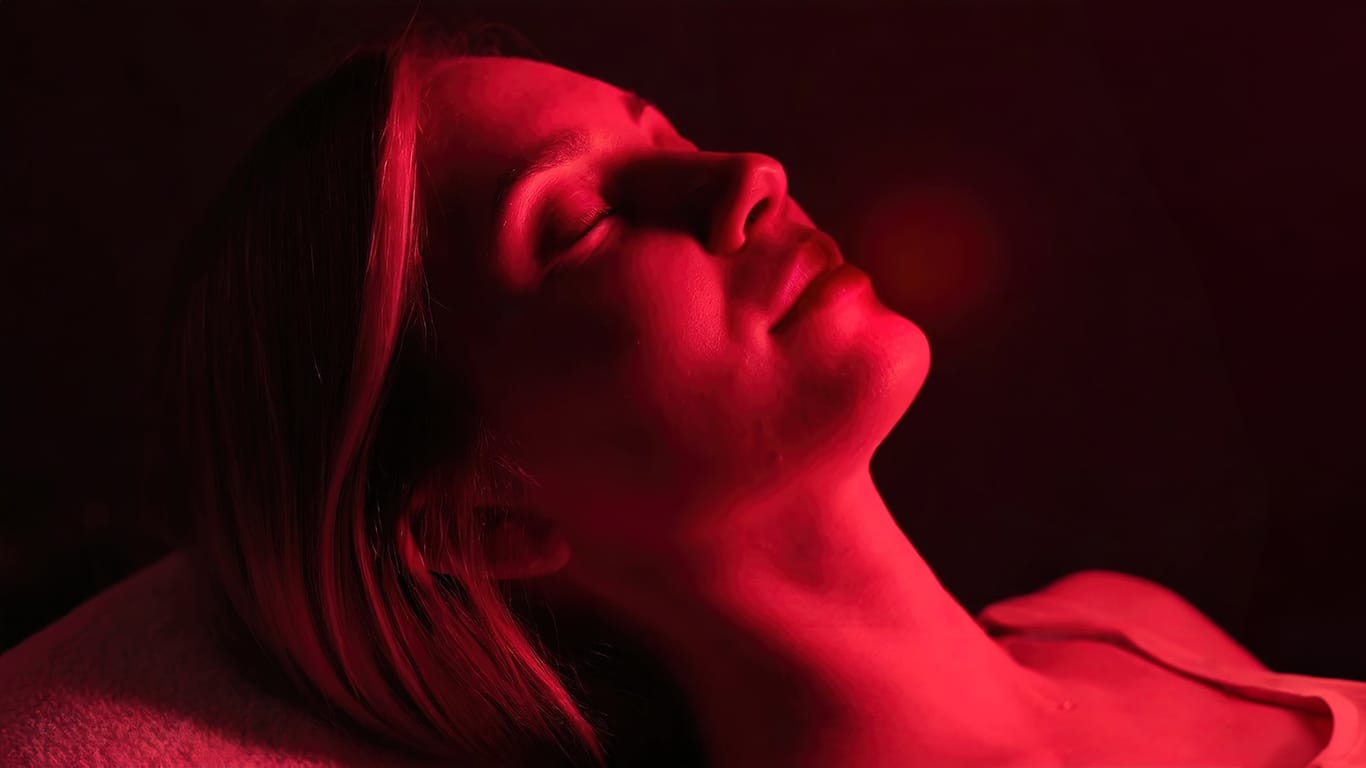
A red light therapy bed is a full-body device that delivers near-infrared wavelengths across the entire body in a single session. The user lies within the device, and emitters positioned above and below deliver light into the skin and underlying tissue from multiple angles, ensuring comprehensive coverage of all major muscle groups, joints and tissue systems.
Unlike targeted panels or mats that deliver light from a single direction, bed formats provide bilateral coverage, increasing the total dose delivered to tissue during each session. The wavelengths used in quality beds fall in the 630 to 1064 nanometre range, with some advanced devices incorporating the deeper-penetrating 1064nm wavelength to reach muscle fibres, fascia, joint structures and bone at depths that shorter wavelengths cannot consistently achieve.
The Recovery Application
Recovery from physical training, competition or occupational physical demand is one of the primary use cases for red light therapy beds. The full-body format is particularly well suited to recovery because physical stress, unlike targeted injuries, accumulates across the entire musculoskeletal system during activity.
Near-infrared light at therapeutic wavelengths reduces inflammatory markers in soft tissue, supports mitochondrial function in fatigued muscle cells, improves local circulation and stimulates collagen synthesis in connective tissue. These effects combine to reduce the intensity and duration of delayed onset muscle soreness, accelerate repair of microdamage in muscle fibres and support the long-term health of tendons, ligaments and joint capsules.
Research supports these outcomes across multiple peer-reviewed studies. A study published in Lasers in Medical Science found significant reductions in post-exercise muscle soreness and fatigue in participants treated with near-infrared therapy before exercise compared to a control group. A systematic review in the British Journal of Sports Medicine found moderate to strong evidence for near-infrared therapy in musculoskeletal pain reduction.
Skin Health Across the Body
Skin health is the second major application for red light therapy beds. Most light therapy devices focus on the face, but the skin across the entire body responds to near-infrared stimulation in the same way that facial skin does. Collagen production is stimulated, inflammatory markers are reduced and cellular renewal is accelerated in treated areas.
For people dealing with skin concerns across the body, or simply looking to support skin health and resilience as part of a broader wellness routine, the bed format provides coverage that no other consumer device format can match. A single session treats the full body simultaneously, making consistent treatment practical in a way that targeted devices cannot.
Practical Considerations
Red light therapy bed sessions typically run 15 to 30 minutes and can be completed at any point in the day, though many users prefer evening sessions to support overnight recovery and repair. Three to five sessions per week is generally sufficient for meaningful results over four to eight weeks of consistent use.
For anyone serious about their physical recovery, skin health and long-term wellness, the red light therapy bed represents one of the most comprehensive home-use devices currently available in Australia. The combination of full-body coverage, bilateral delivery and advanced wavelength options including 1064nm positions it as the most capable format in the consumer red light therapy category.