Rhinoplasty still gets talked about as if it belongs to an older era of cosmetic surgery. The old picture is easy to recognize. A smaller nose. A sharper bridge. A tip that looks visibly “done.” That picture has not disappeared completely, but it has lost ground. The newer conversation is different. More measured. More specific. Patients are not just asking for a prettier nose anymore. They are asking whether the nose will still suit the face, whether breathing will stay stable, whether the result will age well, whether the profile will look cleaner without looking manufactured. Esteworld has positioned itself squarely inside that newer version of the story, presenting rhinoplasty as a balance of aesthetics and function rather than a one-note beauty procedure.
Turkey is still one of the first places people look. The reason has matured
Turkey remains one of the best-known destinations for rhinoplasty, but the logic behind that interest has changed. It is no longer only about price. Cost still matters, of course. No one pretends otherwise. But what international patients seem to be weighing more carefully now is the whole system around the operation: surgeon focus, hospital standards, anesthesia support, recovery planning, follow-up, transport, accommodation, the ability to communicate clearly from the first consultation to the last control. Esteworld’s current rhinoplasty pathway reflects exactly that broader framing, with preoperative planning, hospital and anesthesia fees, medications, airport transfers, hotel accommodation, interpreter support, follow-up visits, and remote check-ins all described as part of the journey for international patients.
That wider structure matters because rhinoplasty sits in a very particular place in plastic surgery. It is visible in a way many procedures are not. A person can hide a body contouring operation under clothes during recovery. A nose, not really. It is right there, at the center of the face, and even subtle changes can alter the way someone is read in conversation, in photos, in profile, in motion. Which is why the strongest “rhinoplasty Turkey” stories now are not really about bargain surgery abroad. They are about whether a clinic understands that the operation is both technical and intensely personal. Esteworld’s messaging leans into that. Its rhinoplasty pages emphasize facial harmony, natural proportion, and preservation of respiratory function rather than the promise of a generic ideal nose.
Esteworld’s advantage is not only the procedure list. It is the frame around it
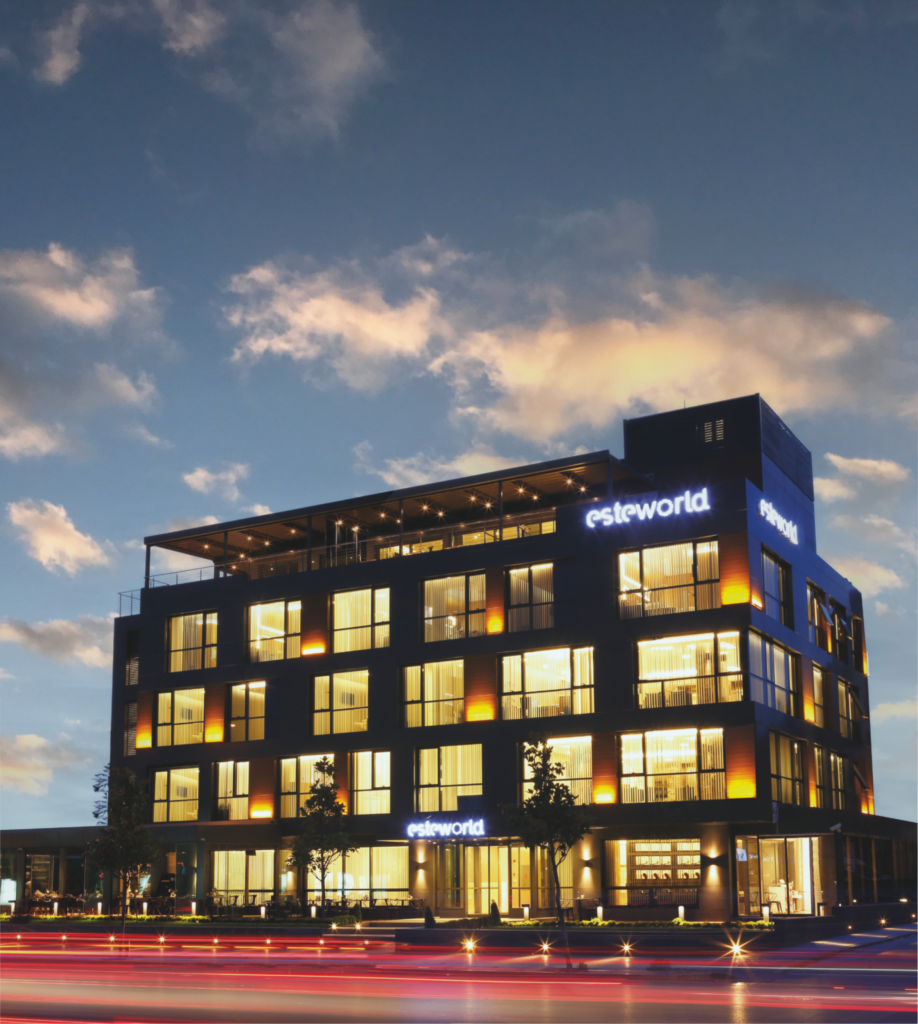
There are many clinics in Turkey that offer nose surgery. That alone does not make a center stand out. What tends to separate one institution from another, especially for international patients, is the sense that the procedure belongs to a real medical structure rather than a sales funnel. Esteworld describes itself as having offered aesthetic services since 1994 and says it operates across plastic surgery, hair transplantation, dental treatments, and medical aesthetics with full-time experts working within the group. On its official about page, the group also states that it operates with four operating theatres, a 10,000-square-meter hospital in Altunizade, multiple clinics in Istanbul, roughly 700 personnel, and more than 1,500 operations per month, while serving patients from dozens of countries.
In a news-style reading of the market, that institutional scale matters. Not because bigger automatically means better. It does not. But because patients flying to another country for surgery are no longer buying a procedure alone. They are buying infrastructure, predictability, and a way of reducing uncertainty. Esteworld’s international brand presentation is strongest when read through that lens. The group positions itself not as a single-specialty boutique but as an established aesthetic health provider with certified facilities, multilingual support, and a system built to manage international flow. For rhinoplasty, where aftercare and realistic communication are just as important as the operation itself, that broader setup becomes part of the clinic’s selling point.
LATEST NEWS: 20 best U.S. cities for retirement includes 2 from Arizona
LEARN MORE: Arizona earns 19 Michelin Guide selections in inaugural Southwest Guide
The most wanted result now is not “perfect.” It is believable
That may be the biggest change of all. Patients still want improvement. They still want refinement. They still bring reference photos, save profiles, compare bridges and tips and angles. But the strongest demand now is for a result that looks like it belongs to the face. Not an imported aesthetic. Not a copied nose. Not the same contour repeated from one patient to another. Esteworld’s rhinoplasty surgeon page speaks directly in that language, emphasizing natural results, facial proportion, and a nose that organically enhances facial features rather than overpowering them.
This sounds simple. It is not. Because the nose sits at the crossroads of almost everything patients notice about themselves: strength, softness, femininity, masculinity, symmetry, delicacy, even identity. A bridge that is reduced too aggressively can flatten character. A tip lifted too far can make the entire face look less grounded. A nose made technically smaller but aesthetically disconnected can leave a patient with the odd feeling that something is “better,” but not truly theirs. That is why rhinoplasty is one of the least forgiving procedures to reduce to trend language. The best work usually reads as restraint. Esteworld’s public positioning seems to understand that, especially in the way it links aesthetic refinement to structural integrity and respiratory function.
Open or closed, primary or revision patients now know the vocabulary, even if they do not always know the answer
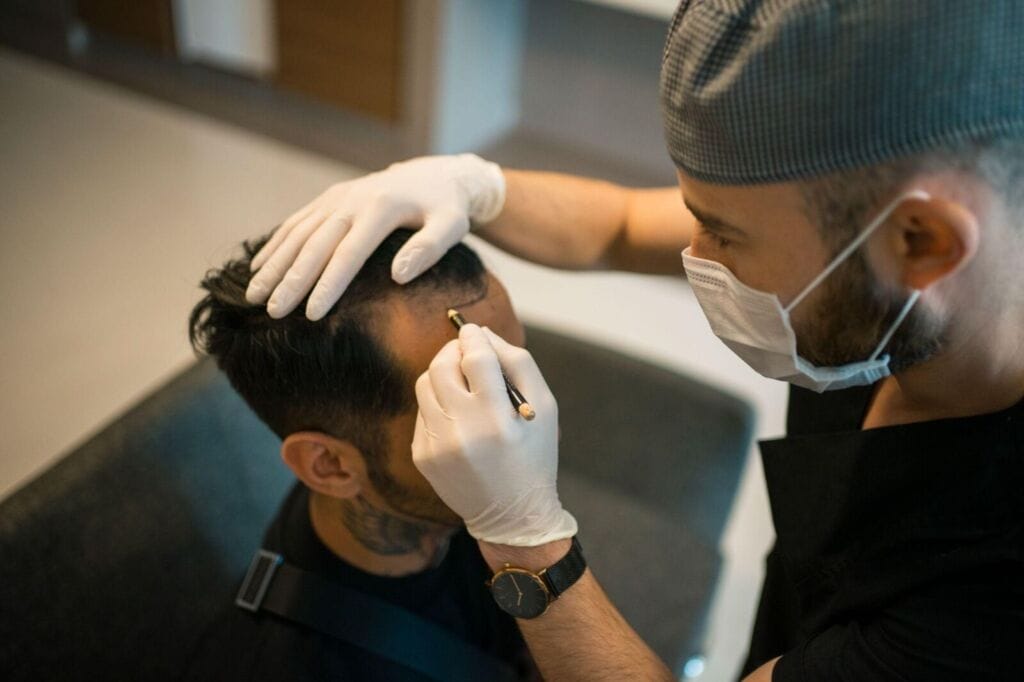
That is another difference from a few years ago. The average rhinoplasty patient arrives more informed, sometimes better informed, sometimes simply overloaded. They know there is such a thing as closed rhinoplasty. They have heard of revision cases. They know recovery at the tip may take longer than recovery at the bridge. They know not every crooked nose is solved the same way. Esteworld’s Turkey-facing rhinoplasty content acknowledges that more educated patient, discussing open versus closed decision-making, revision possibilities, and the reality that the procedure has to be tailored to anatomy rather than chosen from a menu.
That matters because rhinoplasty is a category where confidence can easily get ahead of clarity. A patient may believe they want a “small nose,” when what they really want is a straighter bridge and slightly better tip definition. Another may think the problem is aesthetic when the deeper issue is internal deviation affecting both appearance and airflow. A revision patient may assume they need a total redo when only selected refinements are possible or sensible. The clinics that come across as credible are the ones that slow that process down a little. Esteworld’s messaging repeatedly returns to individualized planning, photo analysis, expectation setting, and anatomy-driven technique selection. That creates a more serious impression than simple “before and after” marketing.
Why international patients still choose Istanbul first
The answer is partly practical. Istanbul concentrates surgeons, hospitals, hotels, transport options, and a medical tourism infrastructure that many international patients find easier to navigate than smaller destinations. Esteworld’s own rhinoplasty content describes Istanbul as the most popular city in Turkey for cosmetic surgery and notes that many clinics in the country routinely coordinate accommodation, airport transfers, and recovery logistics for foreign patients. The group’s own service model mirrors that reality, with hotel planning, transport support, interpreter assistance, and scheduled check-ins built into the way it communicates the rhinoplasty journey.
But there is another reason Istanbul keeps winning this category. It feels practical. And practicality matters more than people admit when they talk about cosmetic surgery abroad. A city where the airport transfer works, the clinic is used to international arrivals, the hotel is close enough that the car ride back after surgery is short, the follow-up is scheduled, and the patient is not improvising every step — that city starts to feel safer. Not in a vague emotional sense. In a logistical sense. Esteworld’s package descriptions and travel guidance speak directly to that side of the experience, down to recovery planning, flight flexibility, hotel proximity, and written aftercare instructions.
Esteworld is strongest when it speaks like a clinic, not a campaign
That may be the simplest summary of its place in the rhinoplasty conversation. The brand has enough breadth to sound established, but breadth alone would not be enough. What gives the rhinoplasty story weight is the way Esteworld presents nose surgery as both aesthetic and functional, individualized rather than templated, and embedded in a larger international-care system rather than sold as a single transaction. The official materials consistently return to the same themes: natural proportion, respiratory function, experienced surgeons, accredited facilities, aftercare, and a patient journey that begins before the flight and continues after the patient goes home.
That tone fits where the market is right now. Because the people still traveling for rhinoplasty are not usually the impulsive ones. They are the ones who have looked at the operation for months, maybe years. They have talked themselves into it and out of it more than once. They have studied other people’s results. They are not easily impressed by slogans anymore. What they respond to is seriousness. Structure. A sense that the clinic understands the nose is not just a cosmetic unit, but part of a working face. Esteworld’s current positioning, at least from its own public material, speaks directly to that expectation.
Conclusion: The new rhinoplasty story is not about a smaller nose. It is about a better relationship between face, function, and proportion
That is where “rhinoplasty Turkey” seems to be heading now, and Esteworld is clearly trying to stand at the center of that shift. Not by pretending the procedure is simple. Not by flattening it into a trend. But by treating it as a high-visibility surgical decision that depends on anatomy, technique, breathing, recovery, and the quality of the system around it. The clinic’s long-running presence, Istanbul-based infrastructure, international patient model, and emphasis on natural-looking, function-conscious outcomes all support that positioning.
For a news-site audience, that may be the real headline. Rhinoplasty in Turkey is still popular, yes. But the reason it stays relevant has changed. The strongest clinics are no longer selling a fantasy nose. They are selling judgment. Planning. Restraint. A result that looks less like an intervention and more like the face finally making sense to itself again. Esteworld’s rhinoplasty narrative fits that newer, quieter, more convincing version of the story.