Why In-Person Retail Matters for Technical Kidswear
Technical kidswear is easier to understand when families can touch it. Online photos may show color and shape, but they cannot fully show waistband feel, fabric weight, sleeve stretch, or how quickly a child reacts to a shoe closure. A store gives parents and children a chance to judge those details before a purchase becomes part of the weekly drawer.
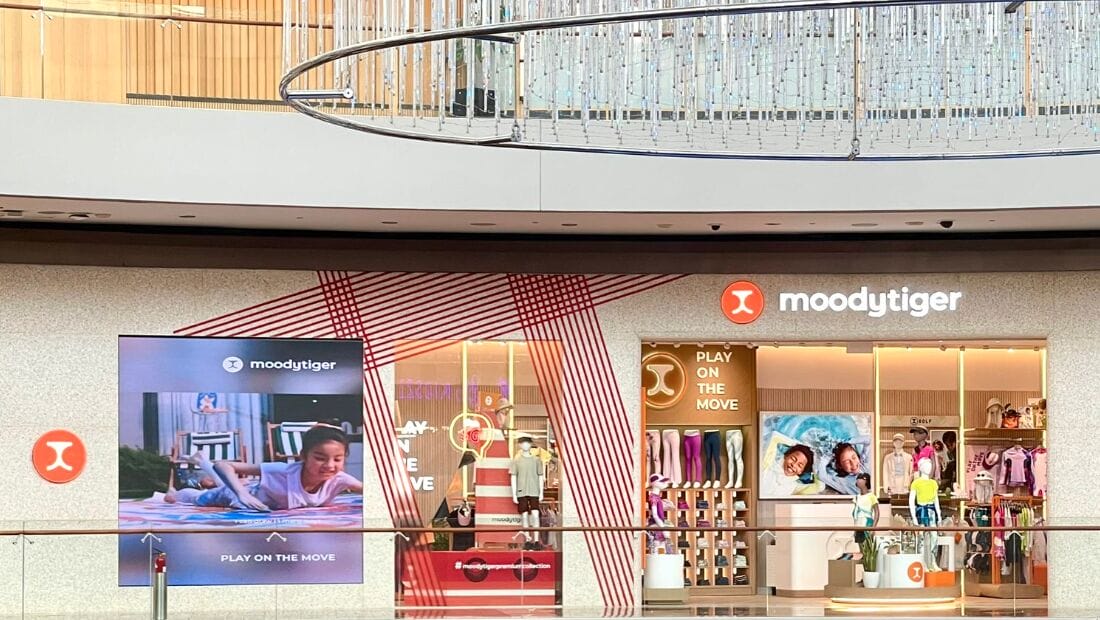
That is why West Coast mall presence matters for a premium children’s activewear label. It places the product inside the kind of family errand where parents can compare sizes, ask questions, and see whether the child actually wants to move in the piece.
West Coast Families Bring Real Use Cases
A California shopping day can involve school uniforms, sports practice, beach weekends, summer camps, and long walks through outdoor centers. Families are not only buying for one activity. They want pieces that can move between warm weather, indoor air conditioning, weekend travel, and playground use.
That context makes moodytiger activewear easier to evaluate in person. Parents can match a fabric or cut to a real child instead of guessing from a product page. The conversation becomes practical: Will this breathe? Will this stretch? Will the child wear it again after laundry?
Direct Store Control Helps Explain the Product
A direct-run store can train staff to explain product roles consistently. That matters because children’s activewear often includes details parents may not notice immediately: cooling yarns, sun coverage, quick-dry construction, seam placement, or a closure designed for easier handling.
When the store team understands those details, families get clearer guidance. The product does not have to rely on a hangtag alone. A parent can ask why one pair of leggings suits practice better than another or why a lighter top may work for a hot outdoor day.
Fit Rooms Can Answer What Product Copy Cannot
Children often decide in the fitting room faster than adults do. They squat, twist, tug, and announce whether something feels strange. Those reactions are useful. A premium activewear store can treat them as part of the buying process rather than an interruption.
For parents, the fitting room also prevents overbuying. It is easier to buy one strong piece after seeing it on the child than to order several sizes online and hope one works. In kidswear, fewer returns and fewer wrong guesses make the retail experience feel more efficient.
DEEPER DIVE: ‘America’s Top 50 New Boomtowns’ includes 7 Arizona cities
INDUSTRY INSIGHTS: Want more news like this? Get our free newsletter here
West Coast Malls Are Family Testing Grounds
Malls such as those in major West Coast shopping areas bring together school shopping, errands, food stops, and weekend family traffic. That setting is useful for children’s activewear because the product is being considered by families already managing movement, schedules, and tired children.
A child may try on a top after walking half the mall or test a shoe closure while everyone is trying to leave. Those ordinary conditions can reveal more than a quiet studio image.
Retail Expansion Should Stay Grounded
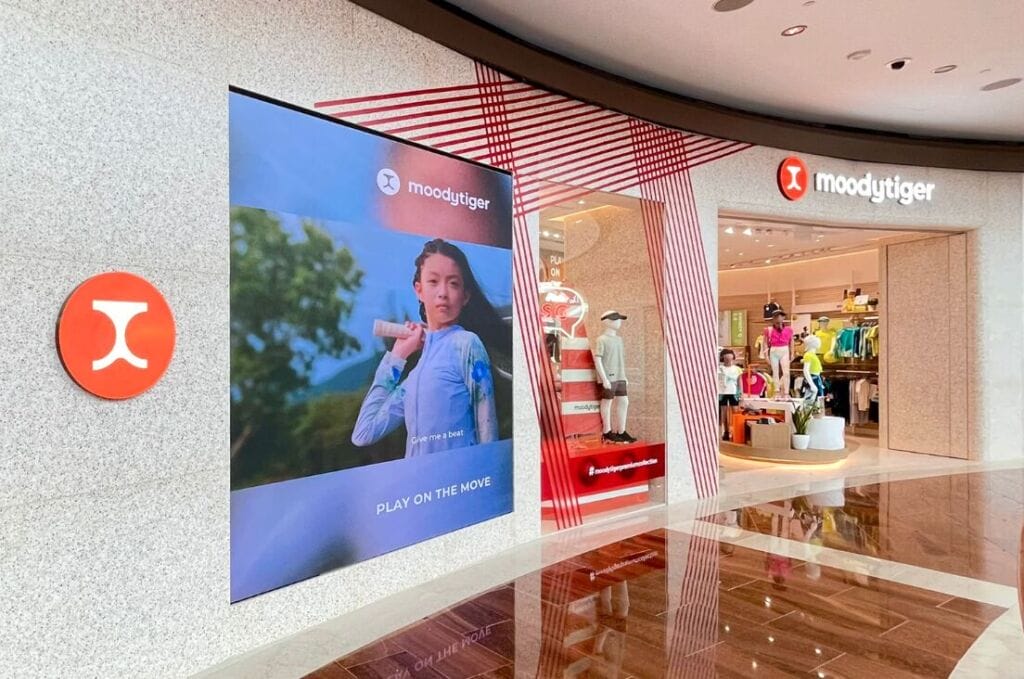
A careful retail story does not need to stretch beyond confirmed locations or invent markets that are not open yet. The stronger story is simple: a technical kidswear brand is giving families more places to understand the product directly.
Keeping the footprint specific also builds trust. Parents do not need inflated claims about a global rollout to understand why an in-person store helps. They need a clear account of where they can shop and what they can learn there.
Product Education Starts With Fabric Roles
Inside the store, fabric education should stay tied to real use. Cooling and breathable fabrics are useful for heat, sweat, and long active days. UPF coverage belongs in the sun conversation. Quick-drying pieces belong in swim, travel, and summer routines. Those roles are easier to explain when a parent can handle the garment.
That clarity prevents a common mistake: asking one fabric to do every job. A store can help parents separate warm-weather comfort, movement, and true weather protection instead of blending them into vague performance language.
Children Influence the Retail Result
For this children’s activewear brand, the child is not a passive shopper. A parent may care about fabric technology, but the child decides quickly whether the waist feels right, the sleeves move, or the shoes are easy to fasten. A successful store experience gives both reactions space.
That dual audience is what makes children’s activewear different from adult performance apparel. The parent evaluates value and care. The child evaluates feel. Retail works when both sides get enough information to agree.
The Store Visit Should Improve the Drawer
A good store visit should lead to fewer almost-right clothes at home. Parents should leave with pieces that answer a known need: a legging for practice, a top for hot days, a swimsuit for lessons, or shoes for daily movement. That is more valuable than filling a bag with items that only looked attractive on a rack.
The best result shows up weeks later when the child keeps wearing the piece. Retail success in kidswear is not only the purchase. It is the repeated use after school, on weekends, and after laundry.
A Measured Expansion Story Is Stronger
The West Coast retail story is strongest when it remains measured. Confirmed stores, direct control, trained staff, and product education are enough to explain why this expansion matters. There is no need to frame it as a finished national presence or a completed entry into every city families may recognize.
For parents, the practical value is local and immediate. A mall store gives them a chance to test fit, compare fabrics, and leave with children’s activewear that has already passed the first family review.